The Story
Why it exists.
The beginning
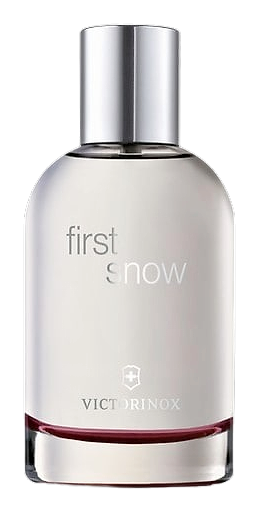
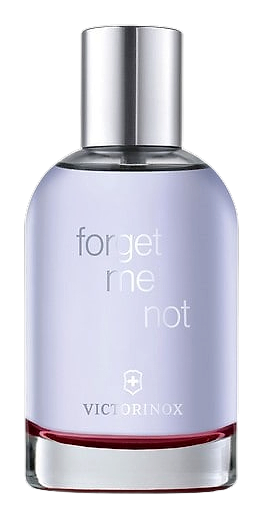
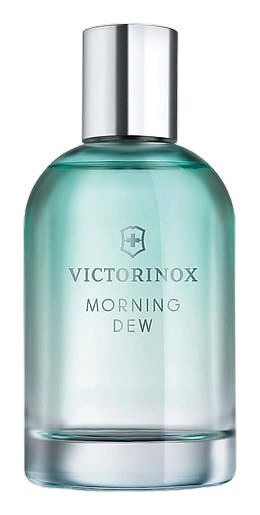
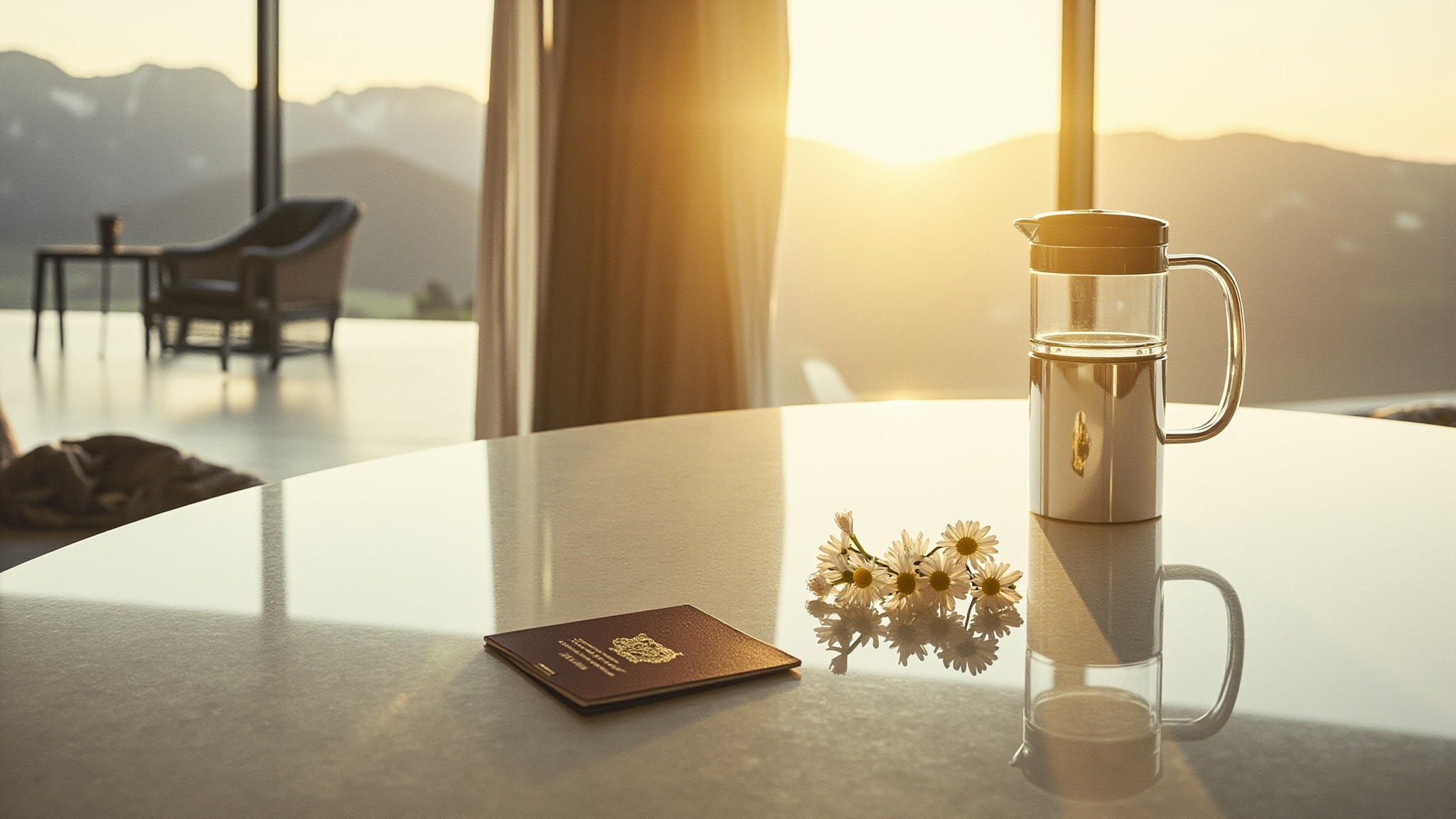
Morning Dew arrived in 2020 as Victorinox Swiss Army's ode to Alpine mornings, the precise moment when night moisture still clings to grass and the air tastes impossibly clean. Perfumer Roxanne Kirkpatrick built the composition around that threshold between darkness and light, when the world hasn't yet decided what kind of day it wants to be. The name isn't metaphor. It's instruction: wear it at dawn, or don't wear it at all.
What makes Morning Dew work is its restraint. Aquatic notes can tip into synthetic territory, but here the water accord reads as actual fresh mountain air, that thin, cold clarity you find above the treeline. Edelweiss, the Swiss sentinel flower, grounds the heart in something natural and resilient. White violet adds a powdery softness that keeps the whole thing from feeling clinical. The cedar and musk base is not a foundation so much as a memory, something that stays close to the skin long after the top notes fade.
The evolution
The opening hits bright and immediate, citrus zest and pink pepper, a quick spark before the aquatic layer takes over. Then the mountain air accord arrives, and everything softens. Edelweiss and white violet hold the middle, clean and airy, the scent hovering just above the skin. The drydown is where it gets interesting: white cedar and musk settle into something skin-like, warm and intimate. Scent longevity varies from skin to skin, and on some, the presence remains subtle throughout the day. On others, it stays present into the afternoon, like a memory you cannot quite place.
Cultural impact
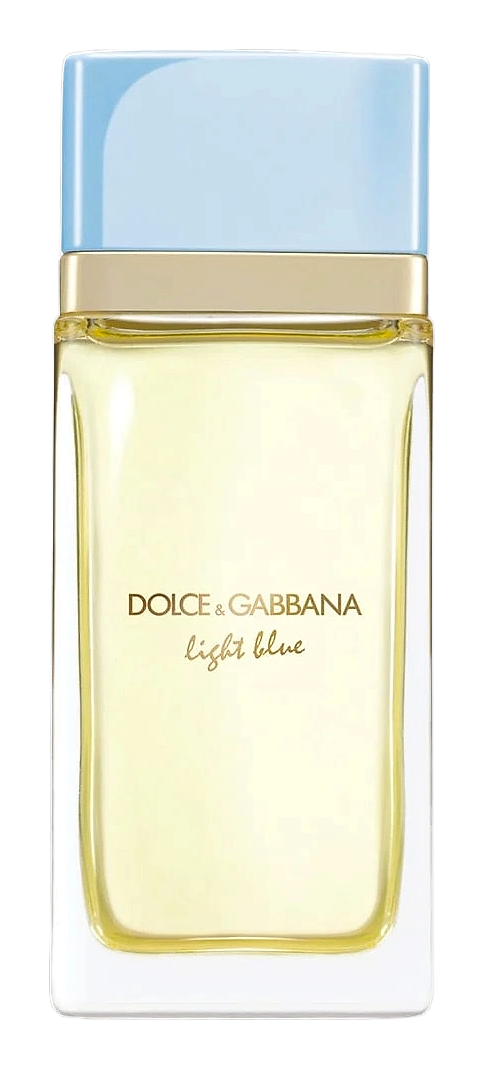
Morning Dew distinguishes itself among aquatic florals, earning attention through restraint rather than projection. This fragrance shares territory with light designer aquatics like Dolce & Gabbana Light Blue, but trades Mediterranean warmth for Alpine clarity. It is functional, clean, quietly confident, a scent for someone who walks into a room and does not need to announce themselves.