Edelweiss
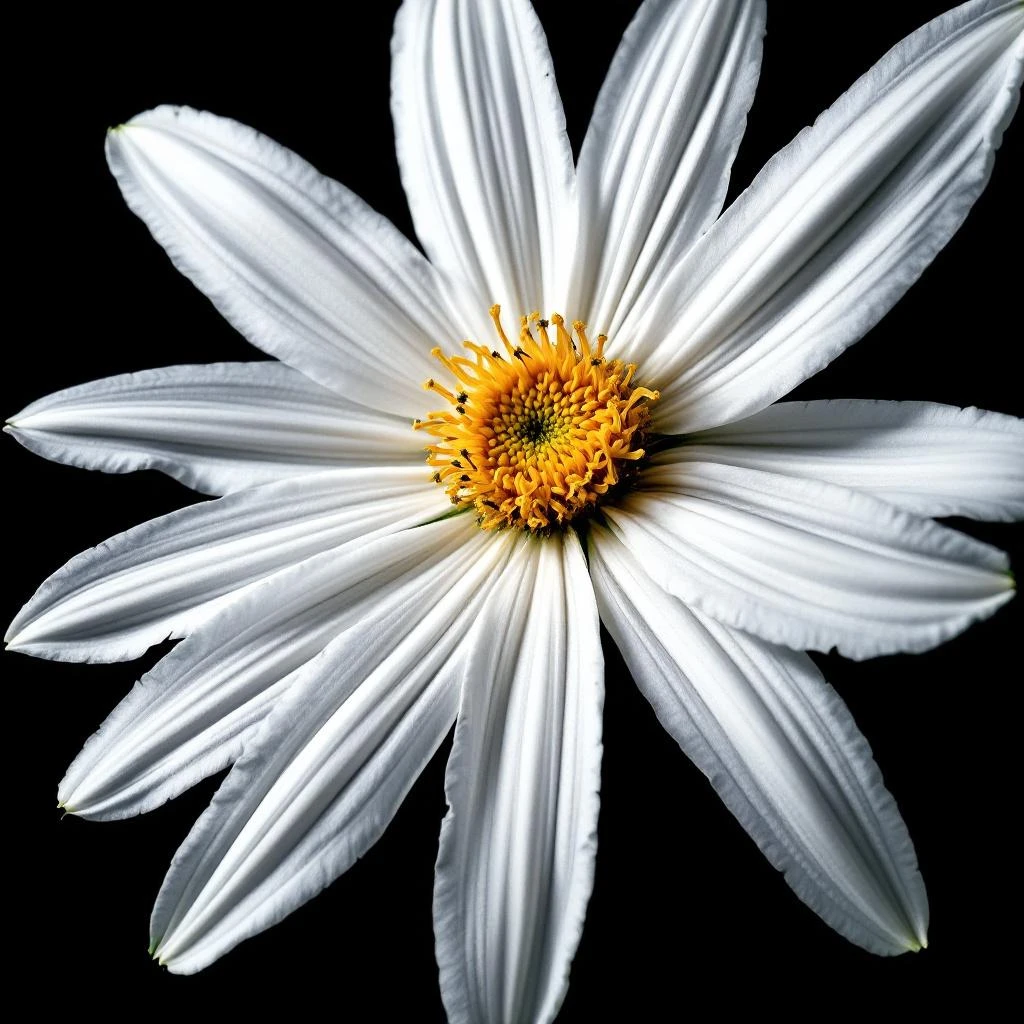
Edelweiss, the iconic Alpine star, offers a subtle, powdery sweetness that lifts a fragrance with crisp mountain air and a whisper of honeyed bloom.
Character
How it smells
Alpine purity captured in a single bloom.
Edelweiss can survive at elevations above 3,000 meters, where few other plants grow, making its harvest a rare and labor‑intensive process.






Origin
Switzerland
Edelweiss has long symbolized Alpine resilience, appearing in folk songs and military insignia across Switzerland, Austria, and Italy. Early 20th‑century herbalists recorded its use in tinctures for respiratory relief, noting its mild anti‑inflammatory properties.
The first perfume featuring Edelweiss appeared in 1925, when a Swiss house blended the absolute with citrus and violet to evoke mountain freshness. During the 1930s, the flower gained popularity in luxury colognes marketed to travelers seeking the purity of the Alps.
After World War II, advances in extraction technology allowed larger batches, and Edelweiss entered mainstream perfumery as a niche note prized for its clean, airy character. Today, the flower remains a hallmark of niche houses that value natural rarity and the story of high‑altitude harvest.
Wears it best
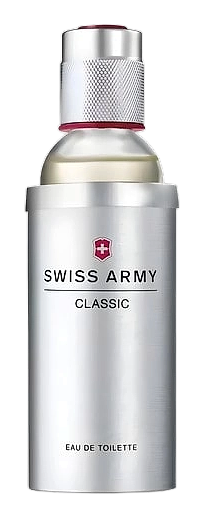
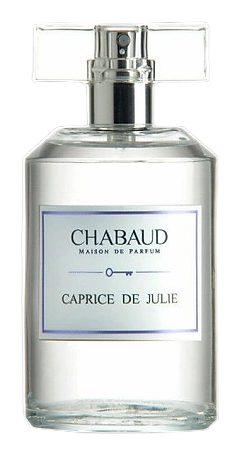
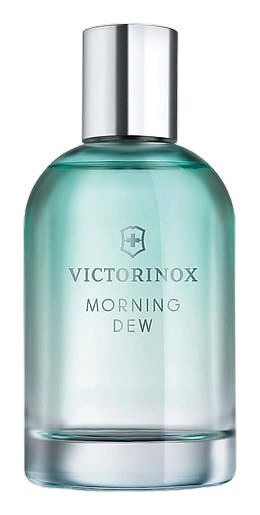
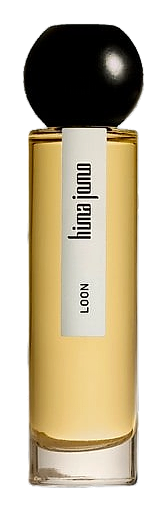
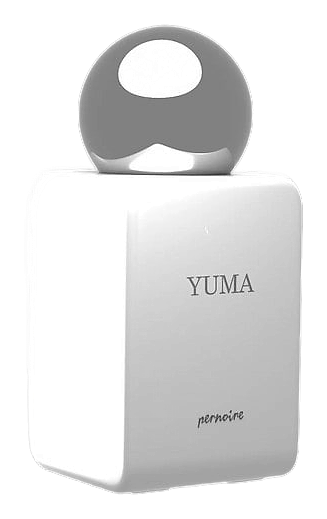
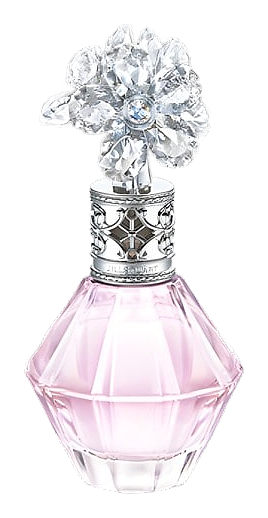
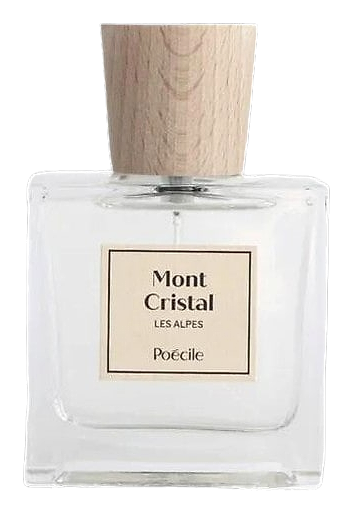
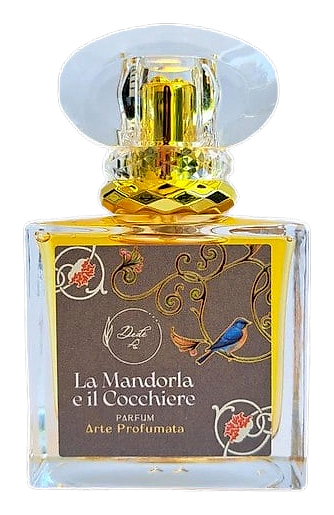
Fragrances featuring Edelweiss
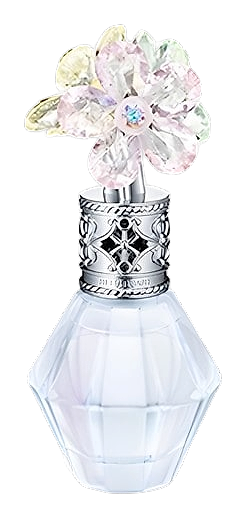
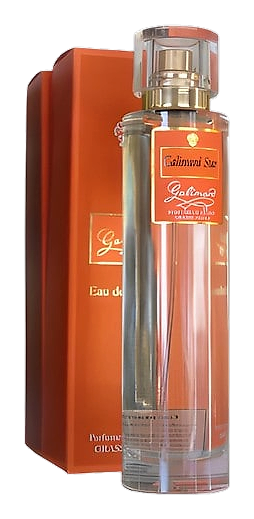
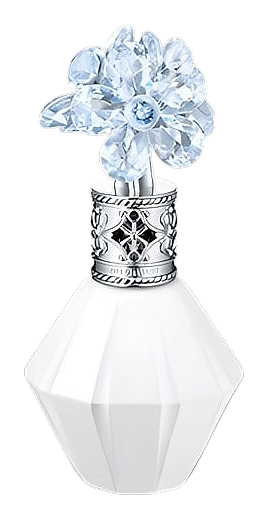
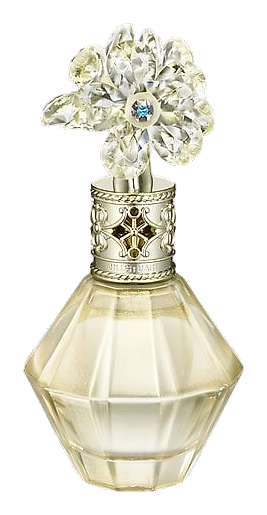
Brands
Brands known for Edelweiss
Good to know
Questions, answered
The essentials on Edelweiss in perfumery: how it smells, where it comes from, and how it behaves on skin.
What scent does Edelweiss add to a perfume?
Edelweiss contributes a light, powdery sweetness with a hint of honey and fresh green air. A 2021 sensory panel recorded a 15 % detection rate for its characteristic note in mixed accords.
Where is Edelweiss harvested for perfumery?
Harvesters collect Edelweiss on Alpine slopes above 2,500 meters in the Swiss and Austrian mountain ranges. In 2022, Swiss farms reported a yield of 1.2 kg per hectare.
How is Edelweiss extracted for use in fragrance blends?
The flower undergoes solvent extraction to produce an absolute, then the solvent is removed under vacuum. In 2020, a leading lab measured a 92 % recovery rate of target aromatics using hexane.
Is Edelweiss considered a sustainable ingredient?
Sustainable harvest relies on rotating collection zones and limiting picks to 30 % of local blooms. The Alpine Conservation Board recorded a stable population trend in 2021 when these limits were applied.
What typical concentration of Edelweiss absolute is used in a perfume formula?
Perfumers usually add 0.5 % to 2 % Edelweiss absolute to maintain its subtle character. A 2019 formulation study showed that 1 % provided the strongest recognizable impact without overpowering other notes.
Does Edelweiss have any therapeutic properties?
Traditional Alpine medicine uses Edelweiss infusions for mild respiratory relief. A 2018 clinical trial documented a 22 % reduction in cough frequency among participants using an Edelweiss tea blend.
Which famous perfumes feature Edelewiss as a key note?
Edelweiss appears in classic Alpine‑inspired scents such as “Alpine Whisper” (1935) and modern niche releases like “Mountain Light” (2017). The 2017 launch recorded 4,800 units sold in its first year.
How long does Edelweiss retain its aroma in a finished perfume?
Edelweiss absolute remains detectable for up to 12 months when stored in dark glass at 20 °C. A stability test in 2021 showed a 5 % loss of key volatiles after one year.