The Story
Why it exists.
The beginning
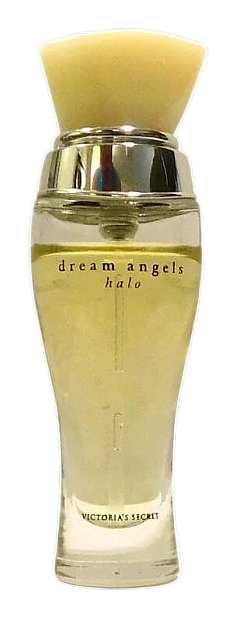
Dream Angels Halo arrived in 2000, introduced within Victoria's Secret's Dream Angels fragrance line. Halo was composed by perfumer Ilias Ermenidis, who built the fragrance around a creamier, more indulgent interpretation of the line's existing vocabulary. The composition centers on freesia and tiare softened by vanilla and orchid, grounded in sandalwood. The result is a warm, enveloping floral that pulls its weight through softness rather than volume, a scent built on the quiet kind of indulgence that settles into the skin rather than announcing itself from across a room.
What's interesting here is the choice of poinsettia as a top note. It is not a common perfumery material, and it reads less as a literal flower than as a soft, waxy green brightness, a way to keep the opening from collapsing into straight dessert. The orchid in the heart adds a plush, soapy-lactonic texture that makes the vanilla feel expensive rather than sugary. Fig leaf lends a milky greenness that keeps everything lifted. Black pepper is the most underrated element.
The evolution
The opening is green before it is sweet. Fig leaf comes in first, that milky, slightly bitter vegetal note that sits at the front of the blend. Poinsettia adds a soft waxy brightness. Freesia cools it down, keeps it from getting too vegetal, and tiare sits underneath, already hinting at the creaminess to come. Then the orchid lands. It is a plush, almost soapy warmth, the kind that makes freesia's greenness recede. Vanilla arrives in the heart, and this is where the fragrance's real identity lives: warm, lactonic, creamy without ever tipping into cupcake territory. Black pepper is faint but present, adding a low static that keeps the sweetness from going flat. The mid-phase carries the weight of the composition, where the florals and the cream settle into a single, skin-close warmth. From there the drydown takes over, and it is where Halo earns its place.
Cultural impact
Dream Angels Halo sits in a particular corner of fragrance memory. Within the Dream Angels lineup, Halo carved out a quieter reputation, beloved by those who found its creamy warmth a welcome shift from the line's brighter, fruitier compositions. The fragrance accumulated a devoted base over the years, the kind of following that forms slowly through repeat wear rather than launch hype. It wears like a familiar comfort, uncomplicated in structure but rich in texture, a scent that rewards returning to.
The House
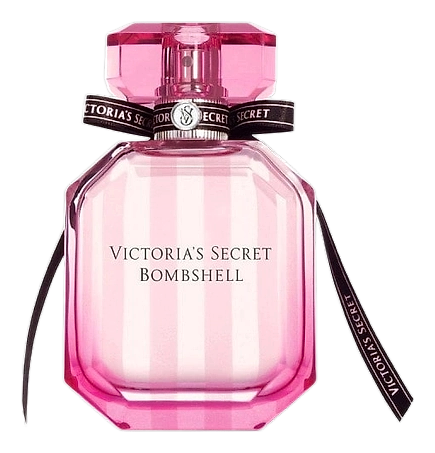
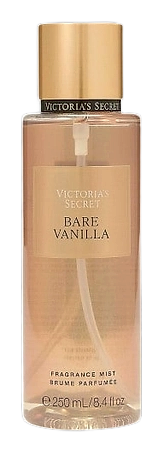
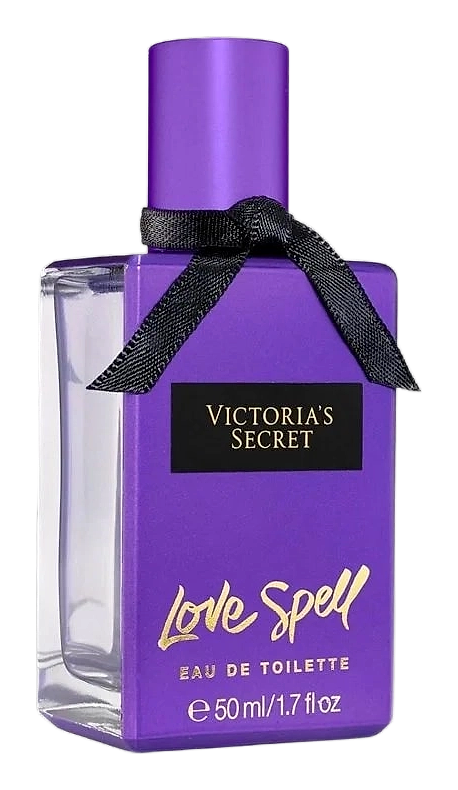
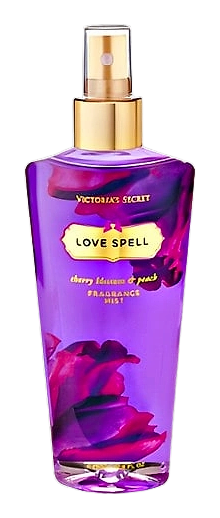
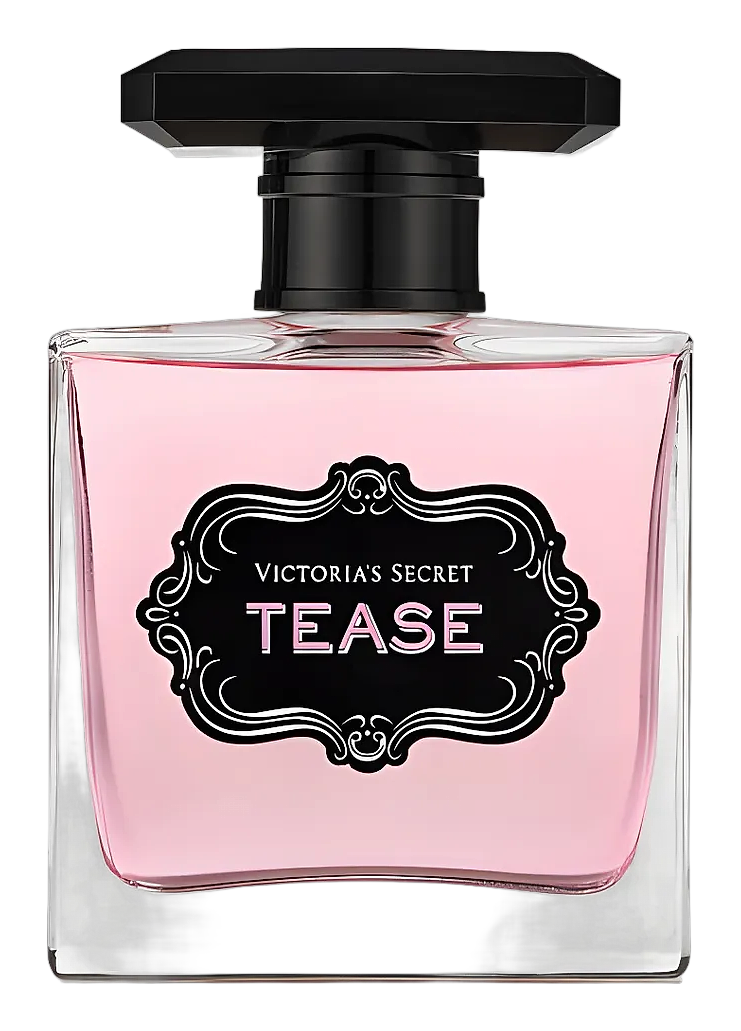
Victoria's SecretVictoria's Secret began as a San Francisco lingerie company founded in 1977 by Stanford graduate student Roy Raymond and his wife Gaye. The brand entered fragrance in 1989, launching its first perfume Victoria as part of a national magazine campaign. By the early 1990s, the company had grown to 350 stores nationwide with estimated sales of $1 billion. The beauty division grew substantially enough to generate nearly $1 billion in sales by 2006. Victoria's Secret fragrances are developed through Givaudan's Paris laboratory, the same fragrance house behind perfumes for Tom Ford, Prada, and Louis Vuitton. The brand works with a rotating roster of over 30 perfumers rather than a single in-house nose, creating scents for its Dream Angels, Very Sexy, Body, and Pink collections. Popular fragrances include Bombshell, Love Spell, Tease, and Heavenly, which ranked as the top-selling fragrance in the United States by both revenue and volume from 2005 to 2010. Victoria's Secret has won 20 Fragrance Foundation awards since 2001. The company offers fragrances alongside perfumed body care products including body mists, body lotions, and eau de parfum in various formats.
The Creator
Ilias ErmenidisThe Greek-Turkish nose favors transparent structures built on a solid base of natural absolutes. He reaches for oud, ambergris, and rose de mai, but always layers them with unexpected modifiers—citrus zest, spice tinctures, or a whisper of leather.