
The Story
Why it exists.
The beginning
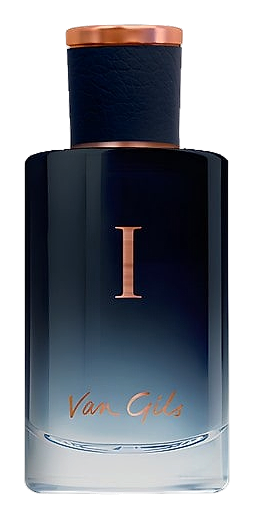
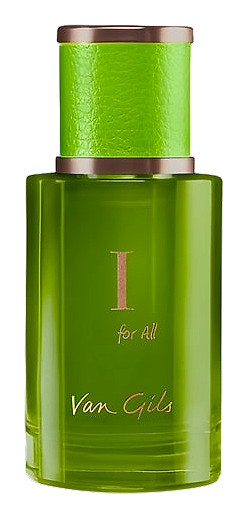
Van Gils introduced the I line with a masculine expression, followed by I FOR HER. I FOR ALL expands the collection with a scent explicitly designed as 'for everyone.' Not masculine, not feminine. Just present. The philosophy behind it mirrors Dutch restraint: don't pick a side. Find the ground between them. Chinotto, mandarin leaf, and tonic water deliver that tension, bitter and bright, mineral and fresh. Cardamom and lavender add warmth. Cedar and sandalwood anchor it all. The 'for all' naming wasn't an afterthought. It was the point all along.
What makes I For All unusual isn't a single note, it's the conversation between them. The chinotto and tonic water create a quinine bitterness that most fragrances avoid. It's sharp, almost medicinal. Then lavender arrives and softens everything into something soap-clean. This is the lavender soap moment that divides people. Some find it comforting, nostalgic, the smell of clean sheets, fresh start. Others detect the camphor beneath and pull back. Neither reaction is wrong. The fragrance simply doesn't resolve the tension. It holds it. The woody base does the quiet work.
The evolution
The first thirty minutes announce themselves. Chinotto peel's bitter citrus skin, mandarin leaf's green snap, juniper berries' gin-like sharpness, tonic water's quinine brightens everything into effervescence. After the initial alcohol spark settles, the citrus reads like you've stuck your nose directly into the fruit. Full longdrink glass, lemon slice zinging. By the second hour, the tone shifts. Lavender emerges and blends with the citrus, creating a soapy quality that some find comforting, others medicinal. Cedar arrives to add depth. The composition moves from bright to warm, aromatic to woody. The drydown settles into clean woods and skin-close musk. Sandalwood adds cream, musk whispers. A faint trace remains even after washing, the cedar holding on, patient.
Cultural impact
I For All occupies an interesting position in the Van Gils lineup, positioned as a true unisex option alongside gendered flankers. The Dutch heritage shows in its approach: no dramatic projection, a fragrance that works across contexts. The tonic water accord adds distinctiveness to an otherwise aromatic-citrus structure. The quinine bitterness creates a particular character, setting it apart from more conventional citrus interpretations. The lavender soap transition that appears in the drydown is either nostalgic comfort or medicinal sharpness depending on the wearer, a characteristic that invites personal interpretation.