
The Story
Why it exists.
The beginning
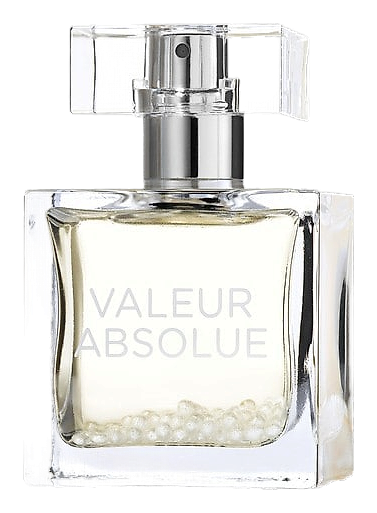
Pierre Negrin composed Joie-Éclat in 2013. The brief was singular: translate joy itself into scent. Not a floral bouquet. Not a citrus cologne. Joy, the specific, shimmering quality of it. The official copy names its inspiration plainly: small moments of happiness. A sunny day. Someone saying thank you. These weren't metaphors. They were the brief's actual words, and Negrin built the composition around that emotional specificity rather than a traditional note structure. The result is a fragrance that reads as optimistic not because it's sweet, but because its elements arrive in sequence like a mood lifting, bright first, warm second, soft third.
What makes Joie-Éclat work is its internal logic. The grapefruit doesn't just smell good, it sets a mood. Florida grapefruit specifically carries a brightness that feels sunlit rather than sharp. The cardamom adds warmth, but it's green warmth, not spice for its own sake. Then the white florals arrive and do something unexpected: they don't compete with the citrus. They receive it. Tuberose and jasmine soften the opening into something that lingers without projecting aggressively. The vetiver in the base isn't dramatic, it's the quiet anchor that makes the whole thing feel grounded rather than ephemeral.
The evolution
The opening hits bright and immediate. Grapefruit and mandarin orange create a citrus effervescence that feels like sunlight on skin, sharp, clean, alive. The cardamom arrives within minutes, adding a green warmth that prevents the opening from feeling like cleaning product rather than joy. Then the florals take over. Tuberose emerges first, creamy and almost lush, followed by jasmine that keeps it sophisticated rather than overwhelming. Italian cypress adds an aromatic quality that bridges the heart to the base without ever fully departing from the citrus. The drydown isn't dramatic. Blond woods and vetiver settle close to the skin, warm and intimate. This is a fragrance that stays with you rather than announcing itself to the room. The sillage remains moderate, the presence intimate.
Cultural impact
Joie-Éclat addresses an emotional need rather than an olfactive category. It's designed for the wearer who wants to feel optimistic, not the one who wants to be remembered. The distinction matters in how it performs in practice: moderate sillage, intimate presence, a fragrance that works best in close quarters rather than grand entrances. The house builds on a different kind of authority, one rooted in personal experience rather than historic credentials.