
The Story
Why it exists.
The beginning
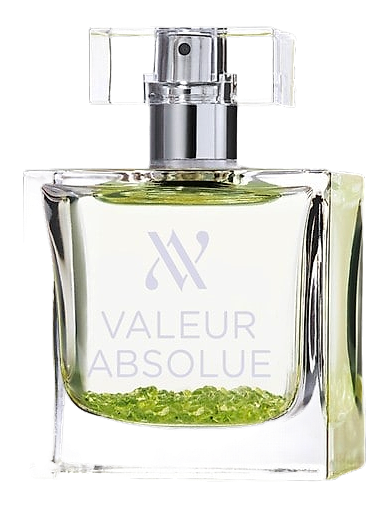
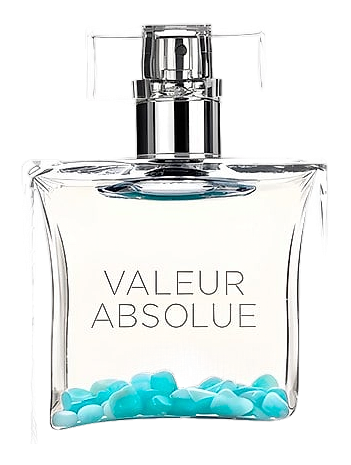
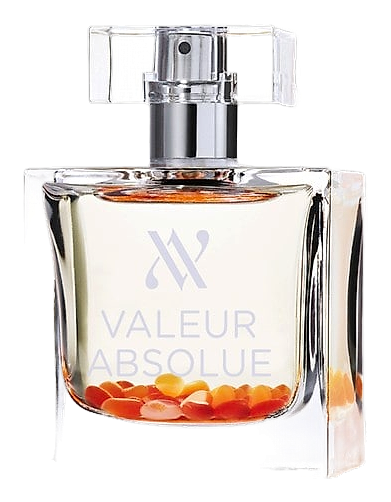
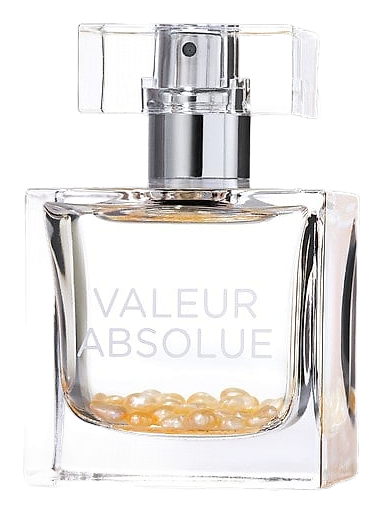
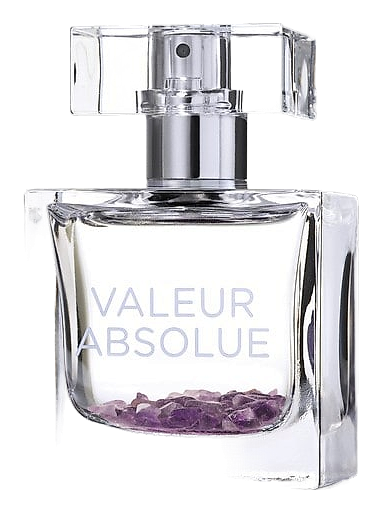
Catherine Selig designed Harmonie for Valeur Absolue's 2013 debut collection with a specific intention: a fragrance that steadies rather than shouts. The name is the mission statement. Where most perfumery chases projection and sillage, Selig built something that works quietly, citrus that opens clean, white florals that settle without aggression, a base that warms without overwhelming. The brief from founder Bénédicte Foucart was rooted in aromacology, how scent affects emotional state, and Harmonie was calibrated to evoke calm. Amethyst, the stone of equilibrium, anchors the bottle design as a physical reminder of that intent.
What makes the structure interesting is the Earl Grey tea note threaded through the heart. Tea in perfumery isn't brewed, it's an aromatic concept, a blend of bergamot and black tea that reads as clean, slightly bitter, and deeply civilized. Here it interrupts the citrus opening before jasmine arrives to soften the composition. The cardamom and nutmeg in the top are doing spice work without heat, they're there to keep the bergamot from smelling like cleaning product. The result is a fragrance that stays in dialogue with itself: fresh then warm, floral then woody, bright then intimate.
The evolution
The opening hits first with Sicilian bergamot, sharp, clean, immediate. Orange peel adds a subtle bitterness that keeps it from smelling sweet. Within minutes the cardamom arrives, warming the citrus just slightly. Then the handoff: the tea and neroli take over, and the composition shifts from bright to composed. The jasmine in the heart is where Harmonie earns its reputation, it's present, definitely present, but it's not screaming. One reviewer called it 'overly intense'; others find it exactly right. By hour two, the musk and vanilla base arrives quietly, extending the composition without overwhelming it. On fabric, the vanilla lingers into the next day. The sillage stays moderate throughout, you'll smell it, the room won't.
Cultural impact
Harmonie occupies a quieter corner of the fragrance world, neither a statement scent nor an also-ran, but something worn by people who want scent to work with them rather than announce them. The wellness positioning attracted a certain audience when it launched in 2013, before mental wellness became mainstream marketing language. What keeps it in production is that it delivers exactly what it promises: balance, calm, a scent that doesn't demand attention but rewards closeness.