
The Story
Why it exists.
The beginning
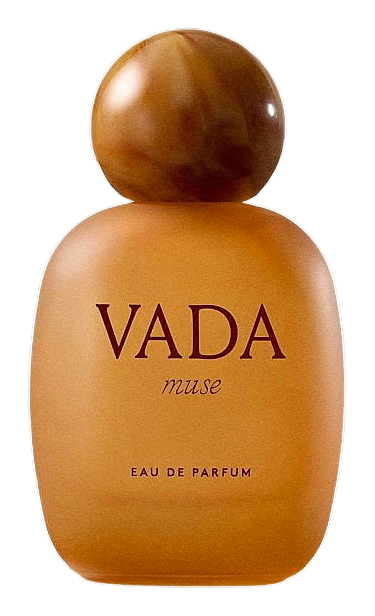
Muse was released by Vada in 2026, the work of perfumer Elena Valdivieso Ruiz, and the brief reads like a held breath. The composition is a quiet one, designed to linger where skin meets skin, delicate in its first impression but persistent enough to follow you through the day. Elena Valdivieso Ruiz composed Muse with an understated hand, letting the materials speak in soft registers rather than declarations. There is nothing dramatic about the notes on paper. Bergamot opens with a clean, citrus lift that settles quickly into something warmer. Jasmine lends its creamy floral texture, familiar but not heavy. Rose absolute adds depth, a touch of spiced sweetness that rounds the early drydown. Sandalwood brings a creamy, woody backbone, grounding the florals in something milky and smooth.
What makes Muse worth a second look is the restraint. The composition is built almost entirely around materials that already smell like skin, like warmth, like closeness. Bergamot adds the only real brightness, a thin citrus line that keeps the rose from tipping into bouquet territory. Rose absolute carries more honey and depth than the typical rose essential oil, which gives the heart a dusky weight. The sandalwood and vanilla base doesn't shout. It cushions. There's no oud competing for attention, no smoky pivot, no shock of spice. Just a five-note conversation held in soft registers, and the confidence to let that conversation be enough.
The evolution
Muse arrives wearing bergamot like a pale silk scarf, light and a little cool, the kind of brightness that reads as clean skin in morning air rather than any sort of citrus statement. Within the first twenty minutes, the rose absolute begins its slow entrance, and the jasmine answers it before you register the handoff. The florals here are not the crisp, dewy kind. They feel warmer, slightly honeyed, the kind of petals left on a warm windowsill. By the second hour, the sandalwood starts pulling the whole composition downward, and the vanilla arrives not as sweetness but as a soft blur, the way breath fogs on a cold window. The drydown is where Muse earns its name. The bergamot is long gone, the rose has settled into something almost abstract, and what remains is sandalwood and vanilla fused into a single warm note that sits close to the skin for the rest of the day. It doesn't project across a room. It survives a close conversation, a long afternoon, a commute home.
Cultural impact
Muse by Vada arrived in 2026 and quickly drew attention for its pared-back approach to composition. The fragrance's five-note structure, bergamot, jasmine, rose absolute, sandalwood, and vanilla, became a talking point among readers who noted how few materials it takes to build a composition with real presence. Vada released Muse without celebrity association or seasonal marketing tie-ins, and that decision to let the fragrance stand on its own terms shaped how it was received. Online fragrance communities picked it up as a case study in how a debut release can establish a clear identity without leaning on external scaffolding.