The Story
Why it exists.
The beginning
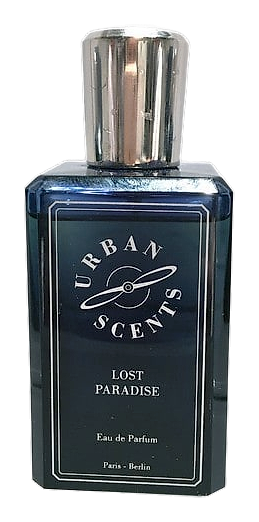
Lost Paradise was Marie Urban Le Febvre's answer to a question nobody was asking anymore: what happened to the fragrances that used to fill a room? Urban Scents launched with a philosophy built around raw materials with clear emotional intent. Lost Paradise arrived as a statement in the chypre territory, a structure that had defined decades of perfumery before fading into the background of fresher, lighter trends. The brief was deceptively simple: take the intensity of 80s chypre and make it something a modern wearer could actually live with.
The key was osmanthus. That small orange flower carries a fruity, almost dangerously sweet note that doesn't apologize for being itself. Paired with magnolia, it creates the powdery floral sweetness that defines Lost Paradise's heart. Transparent musks and clean mosses create depth without weight, giving the fragrance the bones of a classic structure but moving like something made for today.
The evolution
The opening hits clean, citrus brightness cutting through, jasmine arriving shortly after with a quiet confidence that sets the tone. This phase reads intentional, not aggressive. As the fragrance develops, osmanthus and magnolia move forward, and the character shifts toward that powdery sweetness that defines the heart. The jasmine doesn't disappear, it threads through the florals, adding quiet complexity. As the drydown settles, the oakmoss takes its place. The finish is mossy, earthy, slightly sweet from the patchouli, a conclusion that stays close to the skin but lingers for hours.
Cultural impact
Lost Paradise occupies a particular space in the niche market, offering a modern take on a structure that once dominated perfumery. Urban Scents answered a renewed interest in classic fragrance construction with a rework that keeps the depth but softens the edges. The result is a fragrance that reads as vintage without being a costume piece.