The Story
Why it exists.
The beginning
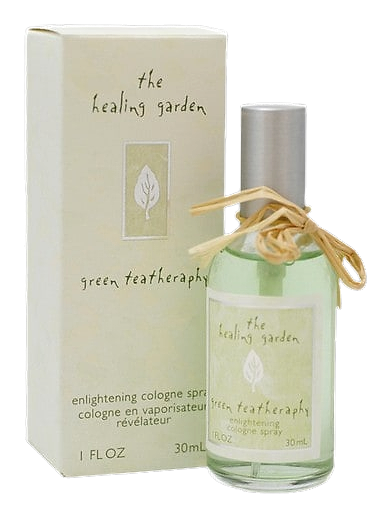
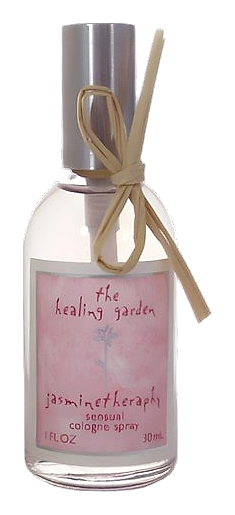
Jasmine Therapy arrived as part of The Healing Garden's lineup of single-flower Therapy fragrances, a collection that tethered each release to a mood or moment of botanical calm. Sources place the launch sometime during the 1990s, with snippets referencing both that decade generally and the late 1990s more specifically, so pinning it to a single year isn't possible from what's available. What the sources do support is the broader context: a period when The Healing Garden was building out a catalog of nature-themed fragrances and consumers were beginning to ask more questions about what went into the products they wore. Jasmine was a logical fit for a Therapy treatment.
What's interesting about this composition is what it leaves out. No green stem. No sharp leaf accord. No bright citrus to cut through. The jasmine here sits on a bed of musk, vanilla, and amber that does the heavy lifting, creating a sweet, almost candy-like softness that wears closer to a skin scent than a floral statement. The result is jasmine as comfort, not jasmine as character. That distinction matters in how the fragrance behaves once it's on skin.
The evolution
The opening is where the jasmine is most present, though even here it reads soft rather than sharp. A white-floral sweetness lifts off the skin, warmed almost immediately by the amber underneath. There's no green bite, no indolic edge. The flower arrives already cushioned, almost pre-blended with the warmer base notes before the scent even has time to settle. As the fragrance develops, the vanilla and musk begin to rise and take on more weight. The jasmine doesn't disappear. It just gets tucked into a sweeter, warmer place, the way a pressed petal might slip inside a book and lose its edges over time. The creaminess of the vanilla wraps around the floral, and the musk underneath softens any remaining sharpness until what you smell is more warmth than flower. The amber threads through everything, providing a low golden hum that keeps the sweetness from tipping into syrupy territory.
Cultural impact
Jasmine Therapy sits in an interesting pocket of the fragrance world, a single-flower composition from a 1990s mass-market brand that has aged into something of a curiosity for modern wearers. It often gets recognized by people who encountered it in their parents' bathrooms or on department store counters during that era, which gives it a particular kind of nostalgic pull. The sweetness and softness that define the composition place it in a category that doesn't quite map onto contemporary niche or clean beauty conversations, but that doesn't make it irrelevant.