
The Story
Why it exists.
The beginning
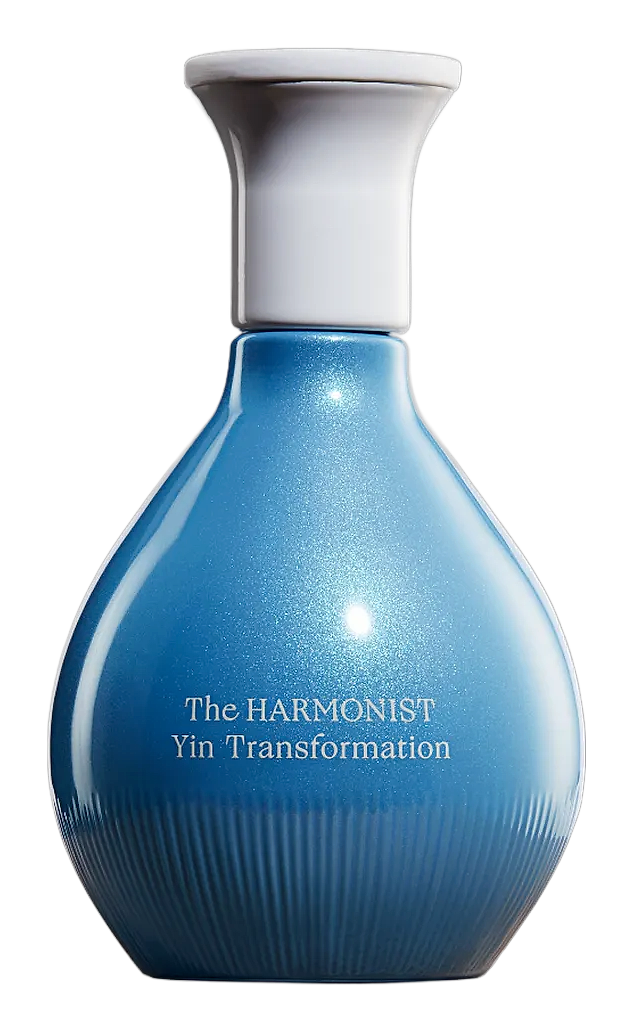
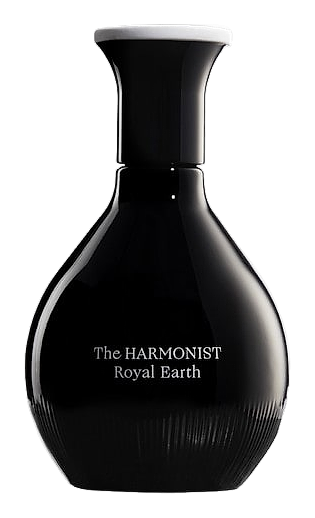
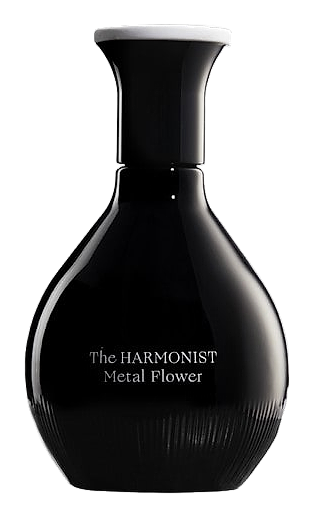
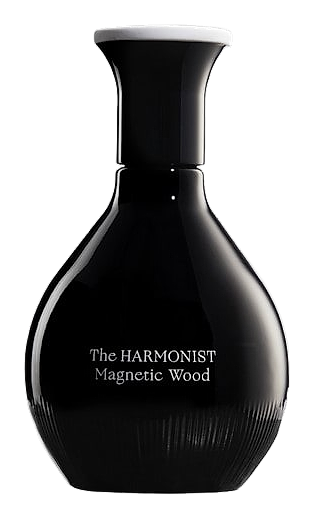
The Harmonist built its collection around the five elements of Feng Shui, each fragrance a tool for restoring balance. Magnetic Wood represents the Wood element, which in this ancient practice symbolizes growth, expansion, and upward movement. The perfumer Guillaume Flavigny approached this brief by imagining what growth actually smells like: not static or woody-heavy, but alive and renewing. The 2016 launch positioned the fragrance as the brand's answer to stagnation, a scent for those seeking vitality rather than just elegance.
What makes Magnetic Wood distinctive is its use of osmanthus, a sweet-scented flower that carries both fruity sweetness and a leathery depth simultaneously. Paired with mimosa, which brings a powdery, sun-dried quality, the combination feels distinctly golden rather than green. The green mandarin keeps the opening from becoming cloying, adding an almost effervescent quality. It's a composition that balances optimism with restraint, warmth with clarity, unusual in woody-floral territory where many fragrances lean heavy or overly sweet.
The evolution
The opening arrives quickly, bergamot and green mandarin hit first, bright and citrusy. Within minutes, the osmanthus emerges, adding that apricot-floral sweetness that distinguishes the top from typical citrus arrangements. The heart phase is where Magnetic Wood earns its name: mimosa and iris arrive together, creating a powdery, golden warmth that feels like sunlight on skin. This phase lasts the longest, two to three hours of quiet optimism. The base is subtle. Sandalwood and cedar don't announce themselves; they settle quietly, adding structure without weight. By hour five or six, what remains is a soft, warm woodiness, intimate and close. On fabric, it fades faster. On skin, expect the full workday.
Cultural impact
Magnetic Wood occupies a specific niche in the Feng Shui fragrance space, a category where scent is positioned as a tool for personal transformation rather than purely aesthetic pleasure. The Harmonist's elemental framework offers something different from typical niche positioning, appealing to those who approach fragrance as part of a broader wellness practice.