
The Story
Why it exists.
The beginning
Pearl Harmony draws its name from the cultured pearl, organic, luminous, formed through patience. The brand sees fragrance as autobiography, each bottle a chapter. Here, that chapter is about quietude. About the glow that doesn't shout. The composition translates pearl's paradox: something hard and precious made from something soft and living. Warm musk, exotic spices, and sweet rose on a base of solid wood, a harmony, as the name promises, built to last.
Cashmere wood is the quietly unusual choice here. Not quite sandalwood, not quite synthetic, it carries a creamy, almost fuzzy warmth that makes the woody heart feel softer than expected. Paired with nagarmotha, an earthy, slightly smoky material more common in oud compositions, the heart avoids the typical linear slide into sweetness. The result is a fragrance that feels cozy without being heavy, warm without tipping into gourmand territory.
The evolution
The opening is all saffron, metallic, faintly animalic, impossible to ignore. Rose slips in alongside it, sweet and rosy rather than green or sharp. For the first thirty minutes, the composition reads as warm spice meeting soft florals. Then the woods arrive. Cashmere wood and sandalwood together create a creamy, powdery bridge between top and base. Cedar anchors the drydown, bringing dry warmth alongside musk and amber. The final hours smell like warm skin and clean wood, intimate, close, still present the next morning on fabric.
Cultural impact
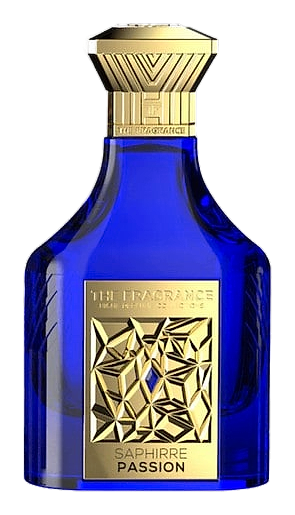
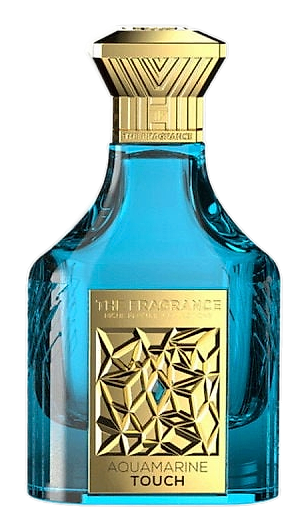
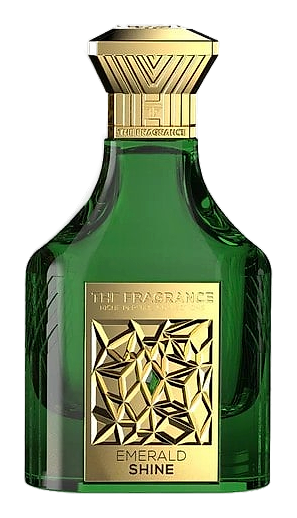
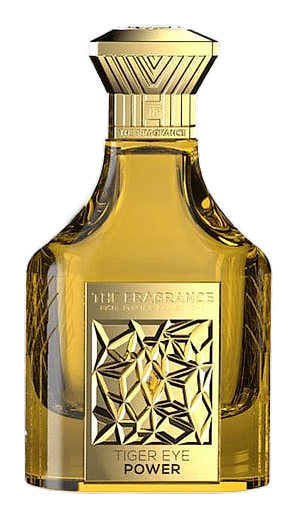
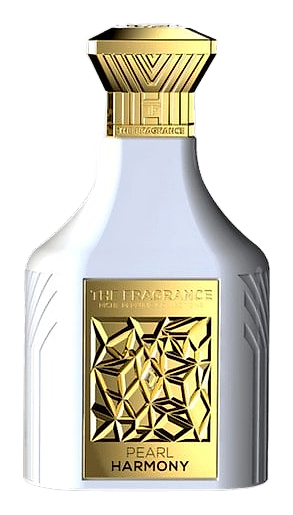
Pearl Harmony joins The Fragrance's Crystal Collection, a line of gemstone-inspired scents that includes Amethyst Soul and Onyx Wonder. The house's aesthetic centers on clean cylindrical bottles where the perfume's color becomes the centerpiece, Pearl Harmony appears in a milky-white vessel. Collectors who respond to the brand's dusty, powdery house signature tend to find this among its most intimate offerings.