The Story
Why it exists.
The beginning
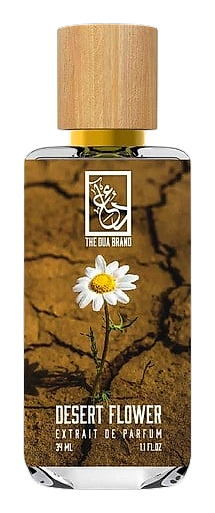
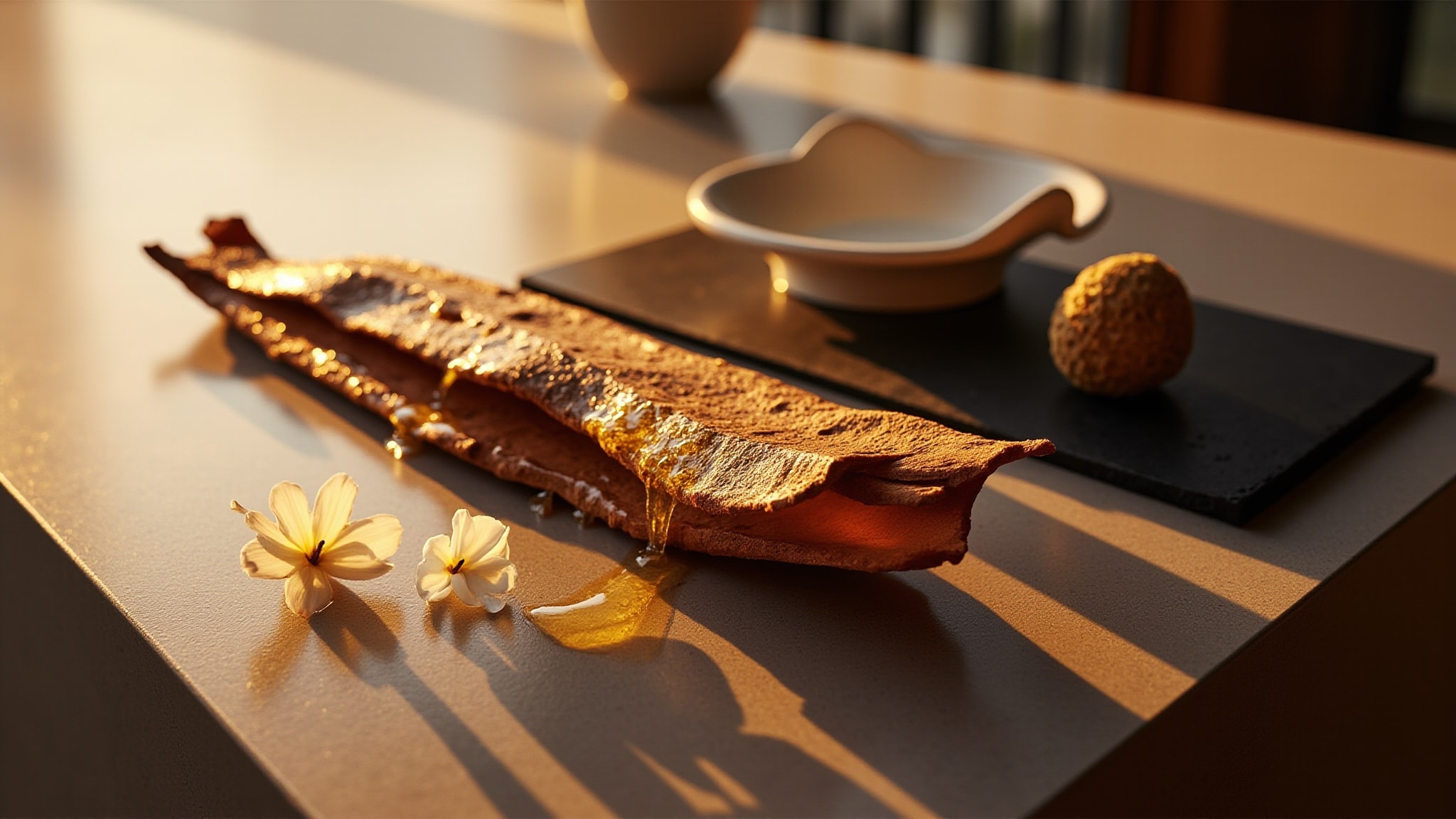
The idea behind Desert Flower began with a simple question: what does a flower smell like when it grows somewhere dry, somewhere the sun beats down hard and the soil remembers spice rather than dew? The Dua Brand has long been drawn to regional perfumery traditions, and the composition leans on two ingredients to answer it: cinnamon offered the heat, honey offered the heart, and the rest of the structure was about making those two notes feel inevitable together rather than stacked. On skin, that pairing reads as something between a sun-warmed spice drawer and the sticky sweetness of a honeycomb left out in the late afternoon.
When the early samples went out for feedback, the responses pointed in the same general place. There was real warmth to the composition, the kind that pulls people in rather than pushing them away, and the honey had a believable weight to it rather than reading as a flat, sugary syrup. The sharper edges of the cinnamon bark at the very top did draw some comments, since it lands quickly and with a little more bite than the rest of the composition suggests is coming.
The evolution
When Desert Flower first hit the Dua Brand catalog, it slotted into a lineup known for offering accessible takes on well-known olfactive territory. The fragrance draws on a fairly focused brief: cinnamon and honey, treated as the whole story rather than buried under a dozen supporting players, which already gives it a particular energy compared to a lot of the brand's denser, more layered work. Early reactions split in a fairly predictable pattern. Some wearers wanted more going on, more contrast, more texture underneath the spice and the sweetness, while others appreciated the discipline of letting two ingredients carry the composition end to end. Both readings have merit. There is something appealing about a fragrance that commits to its concept rather than hedging with extra accords.
Cultural impact
Desert Flower lands in a perfumery landscape that has spent the last several years rediscovering its appetite for warm, spice-driven compositions, and the cinnamon-honey axis here captures something that's been quietly building across both niche and indie releases. The pairing reads as both familiar and slightly unexpected. Cinnamon and honey are each well-worn ingredients on their own, but putting them at the center of a composition without a supporting cast of heavier woods or darker resins gives the result a particular kind of clarity.