The Story
Why it exists.
The beginning
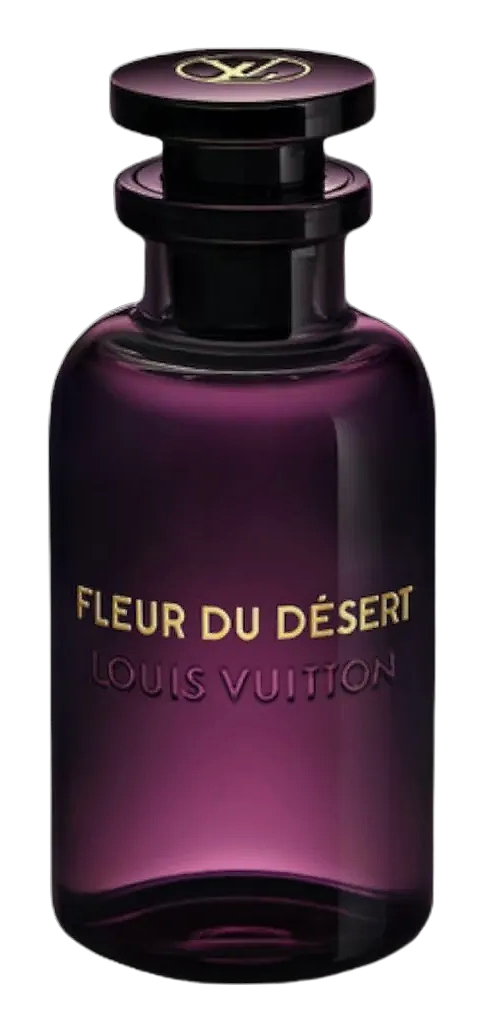
When Louis Vuitton decided to honor Middle Eastern olfactory heritage with a fragrance, perfumer Jacques Cavallier-Belletrud reached for the desert. The brief was simple: translate centuries of Arabian perfumery into the house's vocabulary. Three flowers anchored the composition, jasmine, orange blossom, rose, the same trio that perfumes the skin of those who live along the incense routes. Added honey, the region's oldest sweetener, and oud, its most treasured wood. The name says the rest. Fleur du Désert. A flower rising from sand. Something that shouldn't exist, except it does.
What makes the composition work is the layering of warmth against warmth. Honey and cinnamon create the heat, a thick, golden opening that reads almost edible. The three florals arrive gradually, each one lending something different: jasmine brings its indolic depth, orange blossom its bitter-fresh edge, rose its powdery refinement. Together they don't soften the honey; they complicate it. Then the oud settles in the base, not loud, just present, a warm, animalic anchor that stops the whole thing from floating away. It's the kind of structure that holds for hours.
The evolution
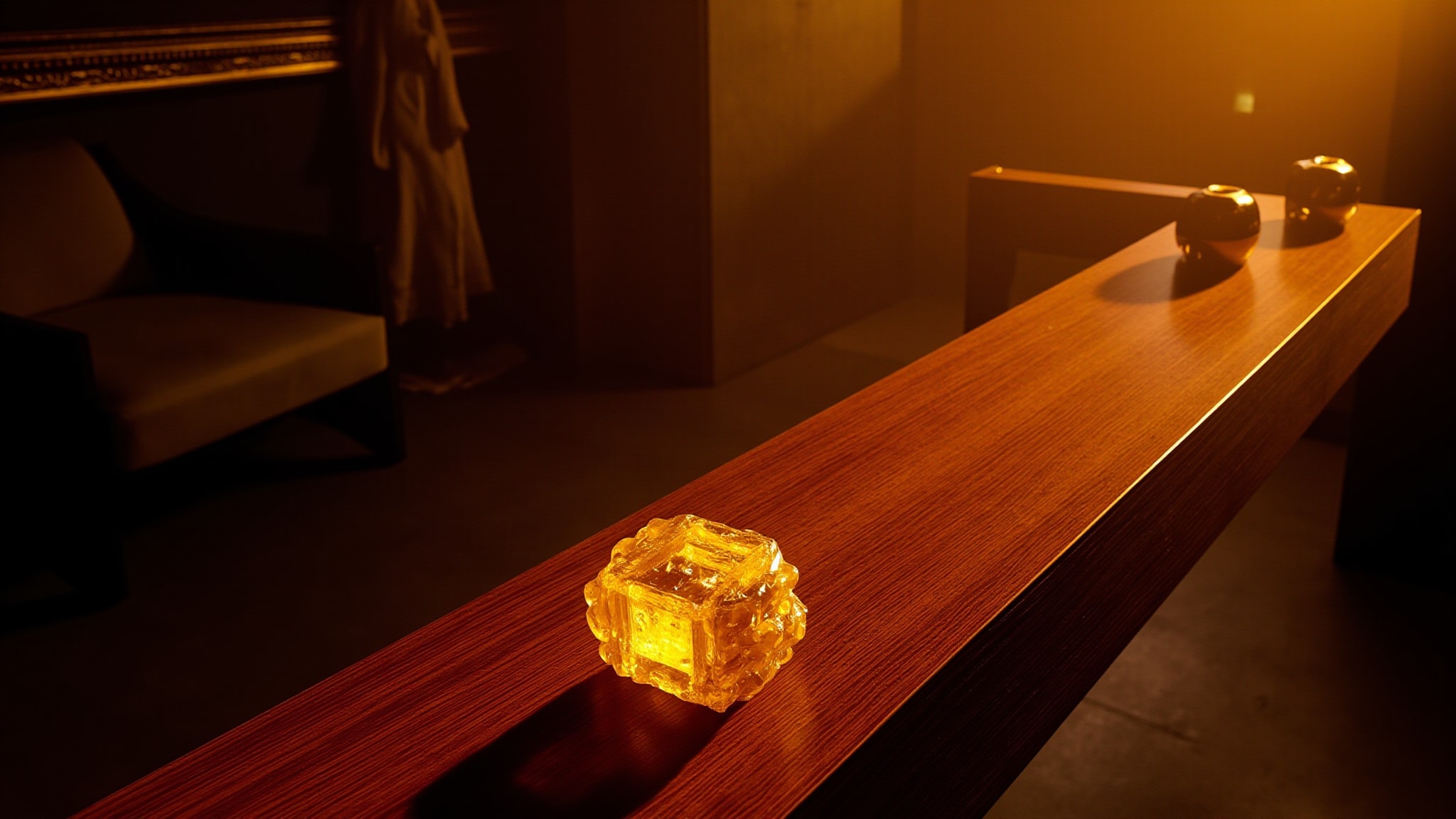
The first minutes belong to honey. Thick, golden, almost sticky. Cinnamon threads through quickly, not aggressive, just warm. Then the florals begin their slow procession: jasmine first, then orange blossom, then rose working in concert. Each one arrives without displacing what came before. By the third hour the composition has settled into something quieter. The oud emerges now, soft and animalic, taking the place where sweetness once lived. The honey doesn't disappear, it lingers, transmuted into something that smells like warm skin rather than a bottle. Ten hours later, amber, musk, and that residual honey. You carry it without knowing you do.
Cultural impact
Fleur du Désert is part of the Parfums Orientaux collection, an homage to Middle Eastern perfumery traditions. The collection draws on the region's floral heritage and translates it into the house's refined visual language. For those who know the territory, the references are clear: jasmine used in Arabian attars, orange blossom in wedding rituals, rose in the perfume of the Levant. For those who don't, it's simply a beautiful fragrance. Either way, it works.