The Story
Why it exists.
The beginning
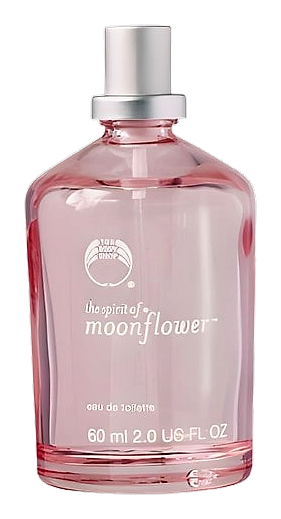
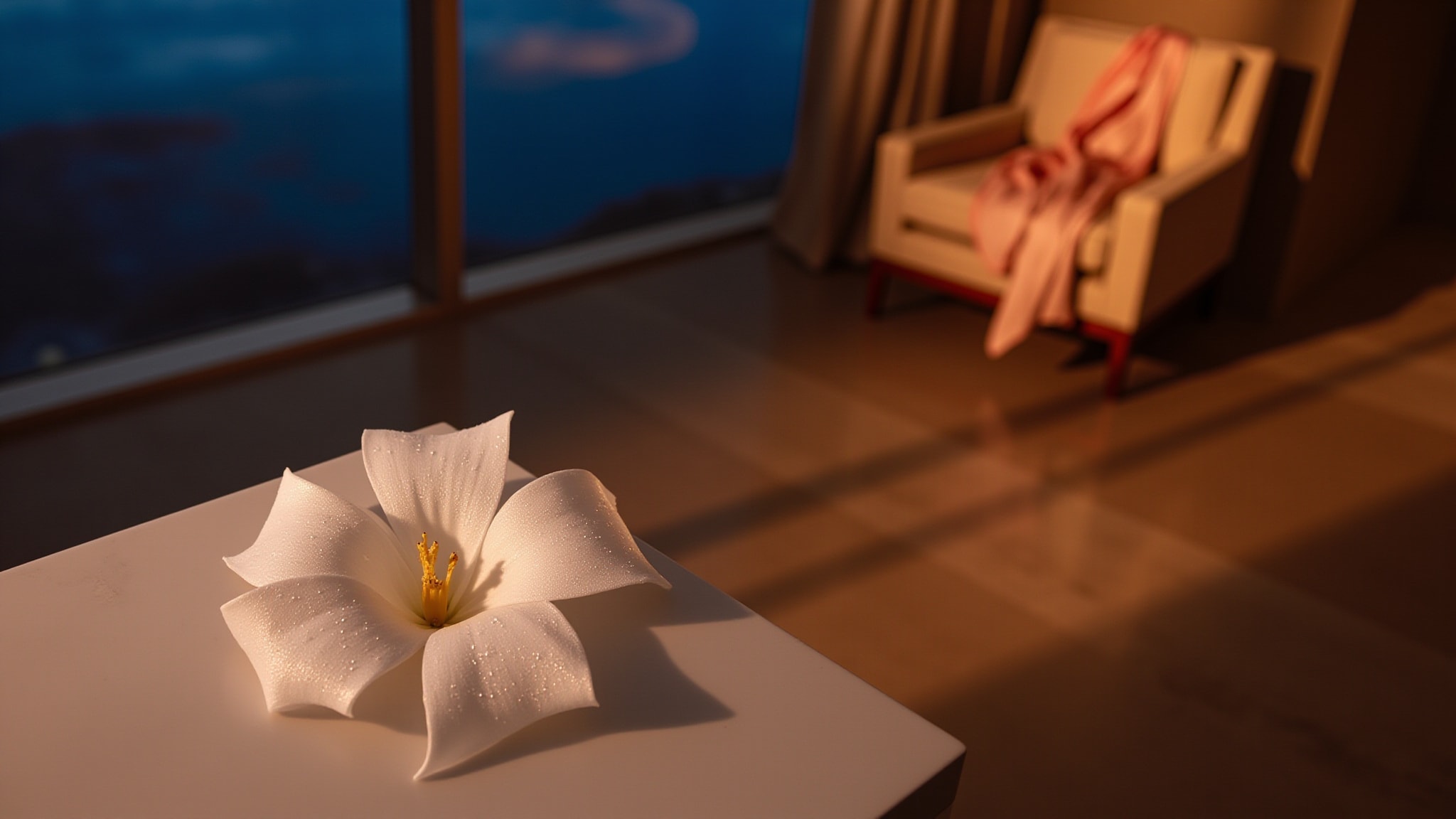
The Spirit of Moonflower arrived in 2000, part of The Body Shop's growing fragrance collection built on ethical sourcing and community trade partnerships. The name points to moonflower's actual nature, a night-blooming flower that opens after dark, its white petals luminous in low light and fragrant when most other flowers have folded for the evening. That tension between visibility and restraint, presence and subtlety, shaped the entire brief. The perfumer worked with a gardenia and melon opening to establish brightness without sharpness, layering in white florals that would feel intimate rather than overwhelming, a fragrance made for being noticed up close, not across a room. By the time the jasmine and rose anchor arrives, the composition has settled into something quietly confident, the kind of scent that stays with you the next morning.
The pyramid is compact but purposeful, only eight materials across three stages, no filler notes. What makes it work is the pairing of gardenia with melon at the top. Gardenia alone can tip into indolic heaviness; the melon keeps it watery, almost dewy, preventing that heady tropics effect. Coriander is the odd note and the interesting one, faintly herbal, with a whisper of anise that lifts the opening just enough to feel fresh rather than sweet. The heart leans heavily on linden blossom, which brings a honeyed, slightly Green character that bridges the watery top and the warmer base.
The evolution
The opening hits gardenia and melon within seconds, creamy, bright, almost wet. There's no harsh bergamot citrus or sharp aldehydes to announce the start; it arrives already formed, already soft. The coriander surfaces for maybe ten minutes, lending a herbal lift that keeps the gardenia from feeling static. Then the heart takes over and the whole thing gentles. The lily of the valley and linden blossom create a quiet, almost dewy atmosphere, less flower-perfume, more morning garden after rain. The cyclamen adds a faint green crispness that prevents it from becoming saccharine. By the second hour, the base arrives: jasmine and rose doing what jasmine and rose do best, settling into a warm, creamy floral that doesn't demand attention. The jasmine outlasts the rose, its honeyed depth holding close for another hour or two. Overall, you're looking at three to four hours on most skin. Nothing dramatic. No sillage cloud. Just a clean, soft floral that fades politely and leaves a faint trace by morning.
Cultural impact
Moonflower landed in 2000, when the fragrance market was saturated with heavy florals and oriental statements. This one took the opposite approach, light sillage, moderate longevity, white florals without the syrupy sweetness that defined the category. It found an audience among wearers who wanted something feminine without the performance. The trade-off was always the longevity: three to four hours meant reapplication for all-day wear, which some found charming and others found inconvenient. Those who loved it describe it as something they still remember years later, a scent that became part of a specific moment in time.