The Story
Why it exists.
The beginning
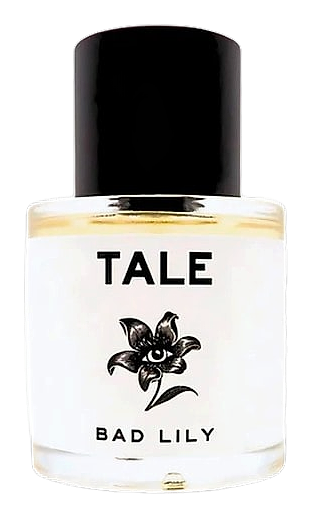
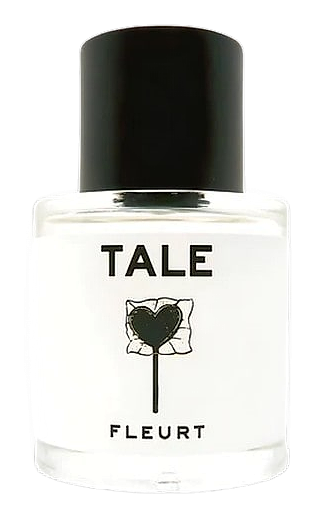
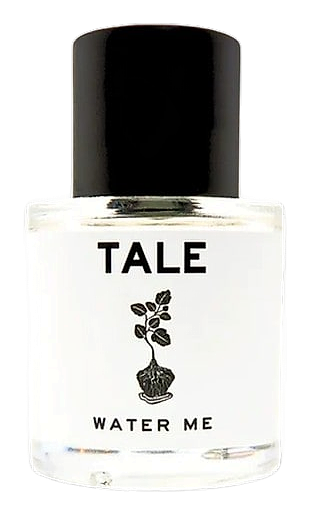
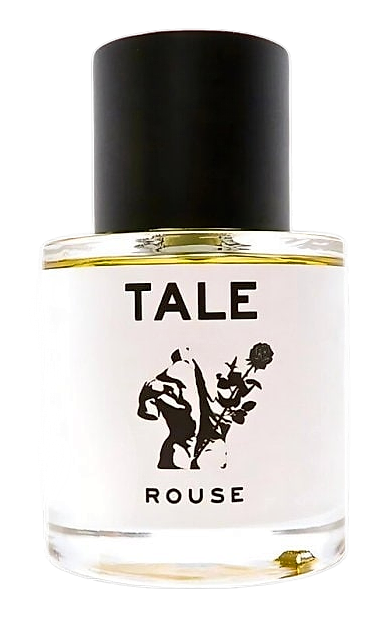
Rouse arrived in 2024 from TALE Parfum, an indie house whose releases treat each fragrance as a distinct creative statement. It joins Bad Lily, Fleurt, and Water Me as one of four installments that year, and its official copy describes it as "rosy, leathery, honeyed, raw." The note list reads like a deliberate provocation: rose and black raspberry up top, hay, honey, and jasmine in the heart, and a base of leather, oud, benzoin, and vetiver. None of the sweetness is incidental. Every element pushes toward the feral edge that the house leans into, and the composition makes that intention obvious from the first spray. It is a fragrance built around contrast, where the plush and the raw are forced to share the same glass bottle.
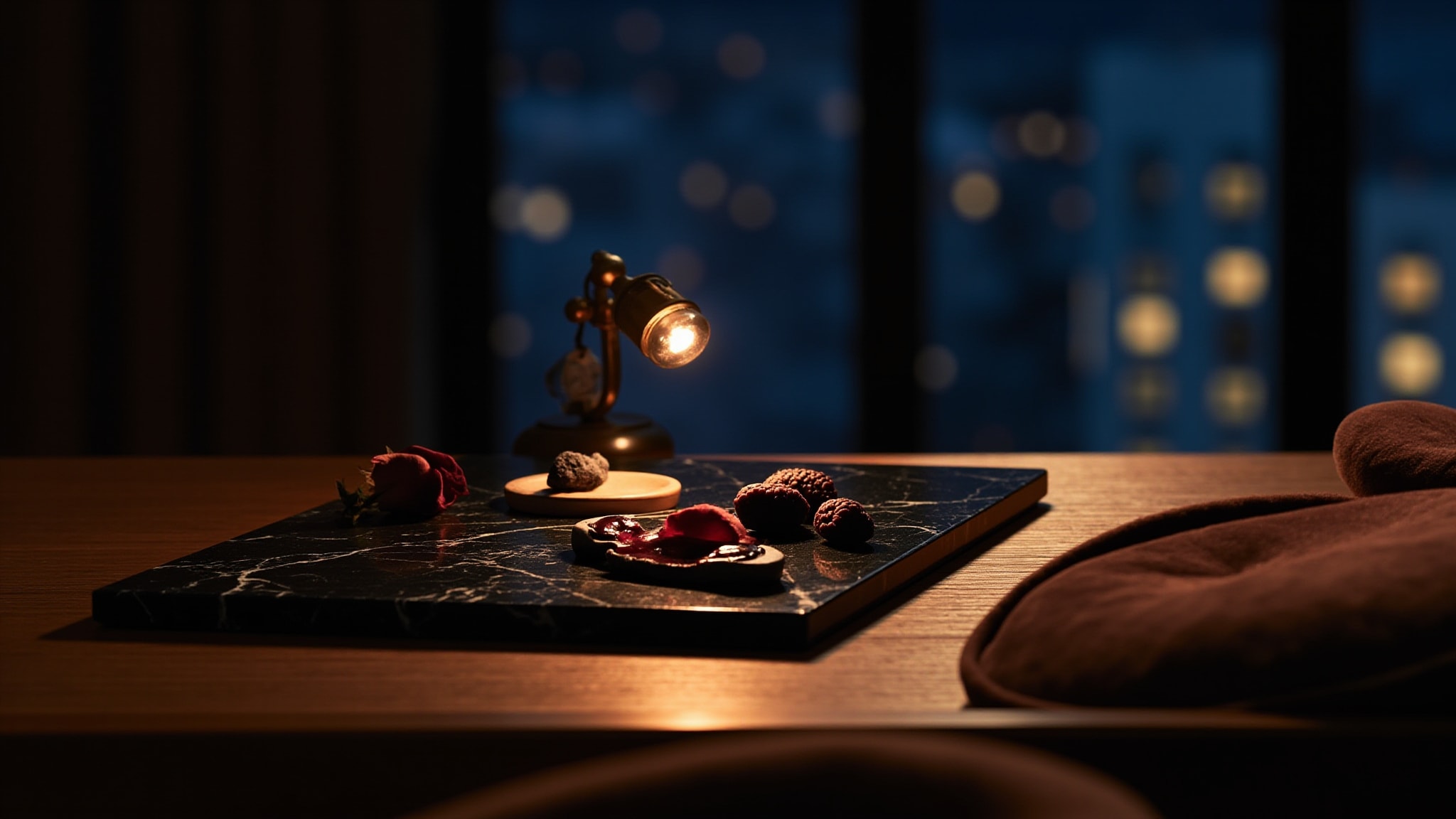
The structure makes that intention literal. Rose anchors the top alongside the dark fruit sweetness of black raspberry, a pairing that reads jammy and concentrated rather than fresh-cut. In the heart, hay and honey bring a warm, dry quality that grounds the jasmine's indolic lushness, preventing the florals from floating off into something pretty and forgettable. The base shifts the register entirely: leather, oud, benzoin, and vetiver give the composition a raw, animal-edged finish that keeps the sweetness in check.
The evolution
The raspberry arrives first, jammy and almost wine-like, and the rose follows within minutes, rich and slightly spicy rather than powdery. There's a brief window where the composition reads as a plush floral gourmand, before the jasmine opens up and pushes everything toward something more animal and less polite. The hay and honey show up next and add a dry, golden warmth that bridges the heart to the base, sweet enough to register but never syrupy. Eventually the leather and oud settle into the composition's spine, and the rose shifts from bright to deep, losing its powdery edges and gaining something smoky and resinous instead. The oud stays restrained rather than medicinal, giving Rouse a backbone that carries well into the evening. What lingers is a warm benzoin-vetiver trace with faint rose and a stubborn thread of leather that refuses to fade quickly.
Cultural impact
Rouse belongs to a recent wave of rose-led fragrances that treat the flower as a starting point for something darker rather than as a symbol of romance on its own. The honeyed hay note has drawn comparisons to The Noir 29 by Le Labo, suggesting it appeals to the kind of wearer who wants a rose they haven't already smelled a dozen times in other bottles. The leather and oud in the base give it an edge that separates it from softer, more conventional florals, and the way the composition holds its nerve without tipping into sweetness makes it feel more like a statement than a safe choice.