The Story
Why it exists.
The beginning
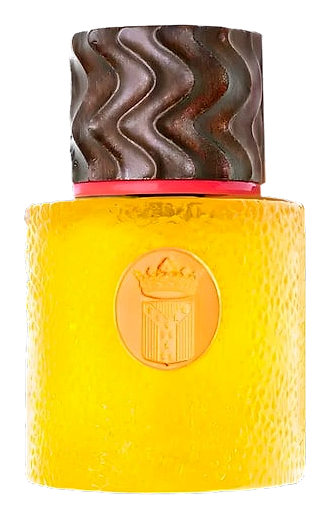
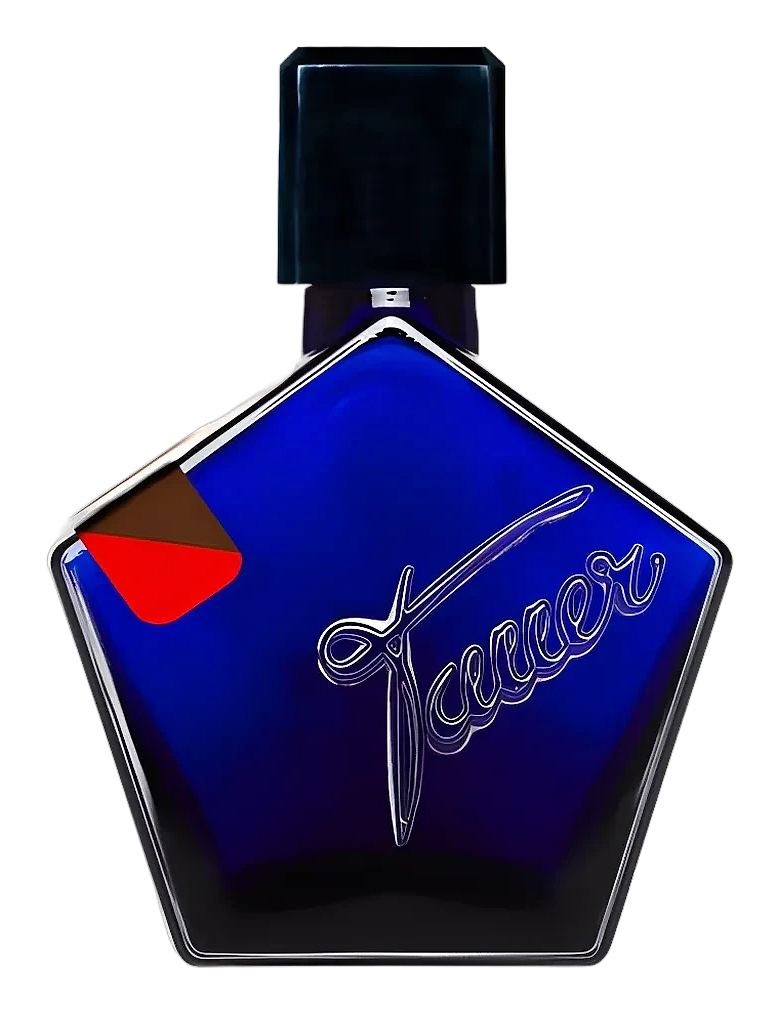
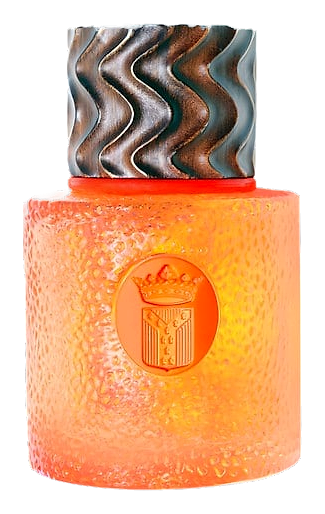
L'Orange N°021 belongs to Les Couleurs de Taffin, the color-coded collection that marked Taffin's entry into fragrance. Pascal Gaurin worked on the composition alongside Yves Cassar and Dominique Ropion, each tasked with translating a particular hue into something wearable. Orange here is warmth without weight, brightness without fizz, the way a polished stone catches late-afternoon sun rather than the way citrus zest hits the back of your throat. The color reads as something you carry on skin rather than something you splash. There's an intention behind that choice, a refusal to confuse a fruit with its peel.
What makes this composition interesting isn't the orange reading itself, it's what holds it in place. The top leans on blackcurrant and pink pepper, two materials that push fruit toward something darker and more substantial than mandarin alone could carry. The heart pairs jasmine and tuberose, a combination that can easily tip into bridal territory, but here the hazelnut base pulls the white floral gravity downward. Ambrette seed adds a skin-warm musk underneath.
The evolution
The first few minutes belong to the fruit. Blackcurrant brings a tart, almost wine-stained opening, and pink pepper adds a flicker of heat without spice. Mandarin sits underneath, bright but not sharp, the way sunlight looks filtered through amber glass. Then the florals arrive. Tuberose is the louder voice, creamy and a little dense, but jasmine keeps it from going too far, adding a cooler, greener edge that prevents the heart from feeling heavy. As the composition settles, the white florals soften. The hazelnut comes forward, nutty and warm, with ambrette providing a musky undertone that sits close to the skin rather than projecting outward. The almond note lingers longest in the base. Well into the wear, it reads almost gourmand, though without the sweetness, more like the scent of toasted praline than anything sugared.
Cultural impact
L'Orange N°021 is part of Les Couleurs de Taffin, a collection that treats fragrance as an extension of personal adornment rather than seasonal trend. The concept, naming scents after colors and cataloguing them with numerical titles, draws a direct line between the visual and the olfactory, suggesting that a fragrance can be worn the way a piece of jewelry is worn: deliberately, with intention, as part of a considered whole. There's something quietly radical about a fragrance house organizing itself around color rather than olfactive family or mood, and L'Orange N°021 sits at the center of that experiment.