The Story
Why it exists.
The beginning
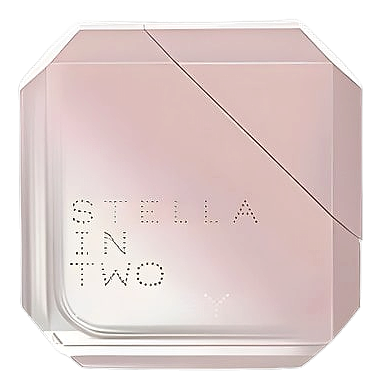
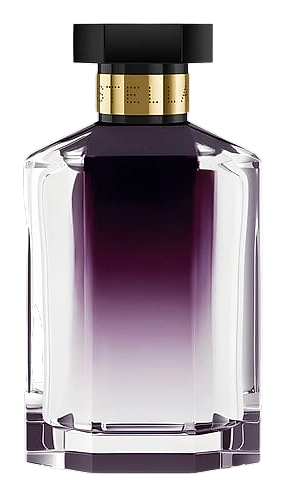
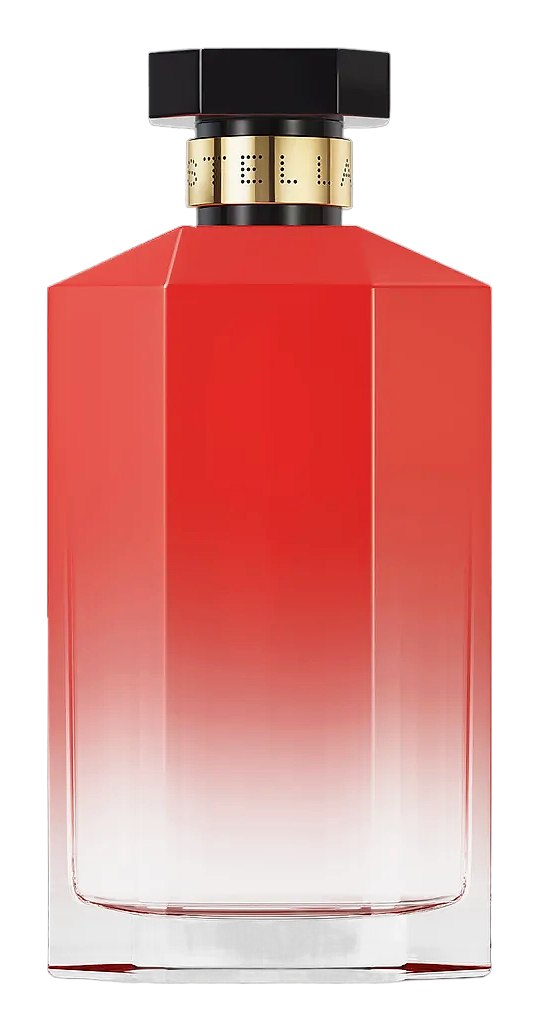
Stella Peony arrived in 2017, but its roots go deeper. The original Stella Peony launched in 2006 as a fresher, floral sister to the house's signature 2003 fragrance. It was discontinued, which turned out to be a problem. Stella McCartney herself described it as 'capturing the spirit of what we do at Stella McCartney,' and noted that customers never stopped asking for it back. The 2017 relaunch, created by Alberto Morillas, was a direct response to that demand, not a reimagining, but a revival of something the house's own community had effectively voted for. 'There was always something in the original Peony fragrance that really caught the spirit of what we do,' she said. 'I think that is what people yearn for.'
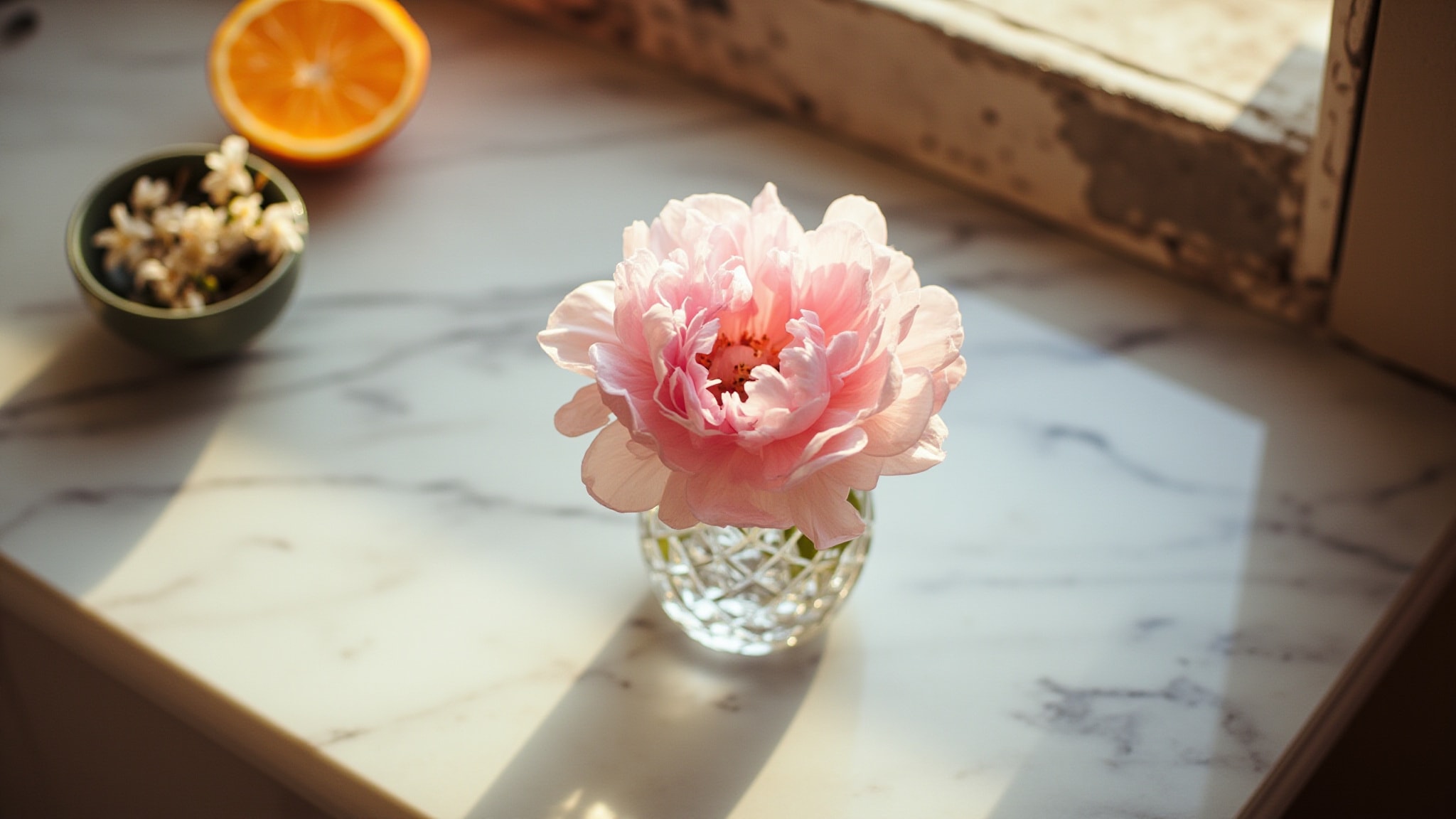
What makes Peony structurally interesting is how it handles the gap between soft and structured. The pink peony note carries a natural contradiction, part rose, part green, part something earthier and less polished than its bloom suggests. Morillas didn't fight that complexity. He amplified it with black pepper and geranium, which introduce a faint mineral-sharpness to what could otherwise read as purely feminine and sweet. The result is a floral that doesn't behave like a floral. It has a slight edge buried under the petals. The mandarin in the top accord adds an immediate brightness that fades within the first twenty minutes, setting up the peony to take centre stage without competition.
The evolution
The opening hits bright and clean, mandarin and freesia announce themselves like a window thrown open on a cool morning. Lotus lingers just beneath, adding a slight aquatic coolness that prevents the citrus from feeling too sharp. Within the first ten to fifteen minutes the peony takes over, and this is where the fragrance earns its name. It's not a loud floral. It reads as a single, perfect bloom held close to the face, intimate, specific, slightly green. The black pepper and geranium arrive quietly in the heart, threading a faint spice through the florals that prevents any sugared quality. No single note dominates. The hand-off between opening and heart is unusually smooth, there's no moment where the fragrance feels like it resets. The base arrives around the forty-five minute mark. Cedar and patchouli form a woody underpinning that grounds the florals without darkening them. Amber adds warmth without sweetness. The sillage drops to a close skin presence by hour three, the kind of scent you catch when you move your wrist close to your face.
Cultural impact
Stella Peony occupies a particular position in the house's history, it's the fragrance the community brought back. After its 2006 launch and eventual discontinuation, demand persisted, making the 2017 relaunch a rare example of a fashion house responding to organic fragrance-community pressure rather than introducing an entirely new flank. In the wider landscape of fresh florals, it sits alongside the original Stella as a reference for approachable, non-theatrical feminine composition. The house's refusal to use animal-derived ingredients means the peony, geranium, and musk reads as clean in a specific, ethical sense, not just the absence of heaviness, but the absence of compromise.