
The Story
Why it exists.
The beginning
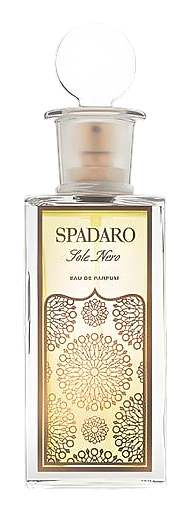
Sole Nero was composed by Spadaro Luxury Fragrances. The name evokes a contradiction that tells you everything about the fragrance before you smell it. Spadaro built this house creating scents that translate specific moments and memories rather than following commercial trends. Sole Nero captures that philosophy in its name alone: the warmth of sunlight, but something darker underneath. The Sicilian setting mentioned in the brand's imagery refers to Mediterranean warmth and brightness, but filtered through the perspective of late afternoon when shadows start to stretch and the air gets that particular amber quality. Spadaro designed this fragrance for a woman who knows the difference between sunshine as an aesthetic and sunshine as a fact of life.
The structure is unusual for a gourmand. Almond and vanilla typically anchor a composition, holding court from the opening. Here, they wait. The citrus top is genuinely fresh, not just a token gesture toward brightness, and the cumin-white pepper heart adds an aromatic sharpness that most sweet fragrances avoid entirely. It's the frankincense in the base that makes everything work together. Resinous and slightly smoky, it bridges the gap between the warm edible notes and the bright spicy opening, preventing the composition from splitting into two separate fragrances. The result is coherent, but with visible seams that reward attention.
The evolution
The citrus arrives clean and confident. Italian grapefruit leads, not bergamot or lemon, which gives the opening a specific tartness that reads more bitter than sharp. Orange follows, rounding the edges. The heart notes assert themselves with quiet confidence. Cumin appears quietly, not loudly, adding a warmth that borders on savory. White pepper provides lift. Then the base begins its slow reveal. Almond comes through sweet and slightly nutty. Vanilla doesn't rush. It takes its time, settling in and becoming the dominant impression as the fragrance develops. The frankincense never disappears completely. It lingers as a resinous undertone, the thing that keeps the sweetness from getting cloying. By the final hours, you're left with musk, sandalwood, and the ghost of vanilla on warm skin. The sillage stays intimate, close enough to notice if someone gets close but never announced.
Cultural impact
Sole Nero by Spadaro Luxury Fragrances arrived with a different set of priorities than most luxury offerings. While the fragrance market often favors recognizable accords and safe compositions, this scent takes risks with its contrasts. The bright citrus opening gives way to an unexpectedly warm and grounded drydown, creating tension between apparent opposites that makes the composition memorable. The house behind it operates outside the typical luxury fragrance framework, prioritizing craft and character over market positioning.
The House
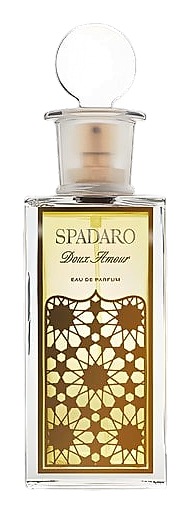
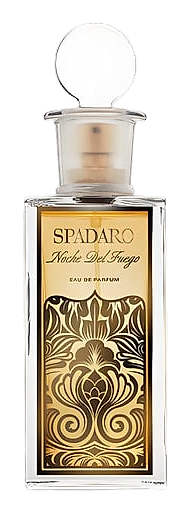
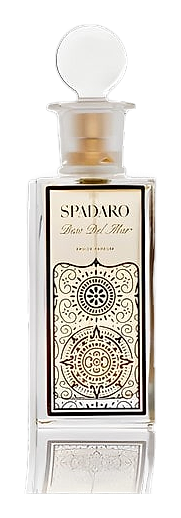
Spadaro Luxury FragrancesSpadaro Luxury Fragrances is an independent fragrance house founded by Kim Spadaro in 2009, built on a foundation of artisanal creation and emotional storytelling. The brand occupies a distinctive position in the niche fragrance market, developing scents that aim to evoke memory, atmosphere, and personal narrative rather than following mainstream commercial trends. Spadaro describes her work as a quiet rebellion against mass-market fragrances, emphasizing depth, sensuality, and spiritual resonance in each composition. The collection spans multiple collections released since 2011, including the Noche Del Fuego series (with notable 2011 and 2019 editions), Kasmaran Privé (2019), Doux Amour (2011), Sole Nero (2011), and Beso del Mar (2014). All fragrances are reportedly developed to be unisex, offering versatility across gender presentation. The brand operates primarily through digital channels and has cultivated a following among fragrance enthusiasts who appreciate its intimate, journey-inspired approach to scent creation.
The Creator
Kim SpadaroKim's style resists easy categorization because it lives in motion, in the in-between spaces of cultures and seasons. She draws from her travel experiences, translating destinations into olfactory memory rather than literal representation.