The Story
Why it exists.
The beginning
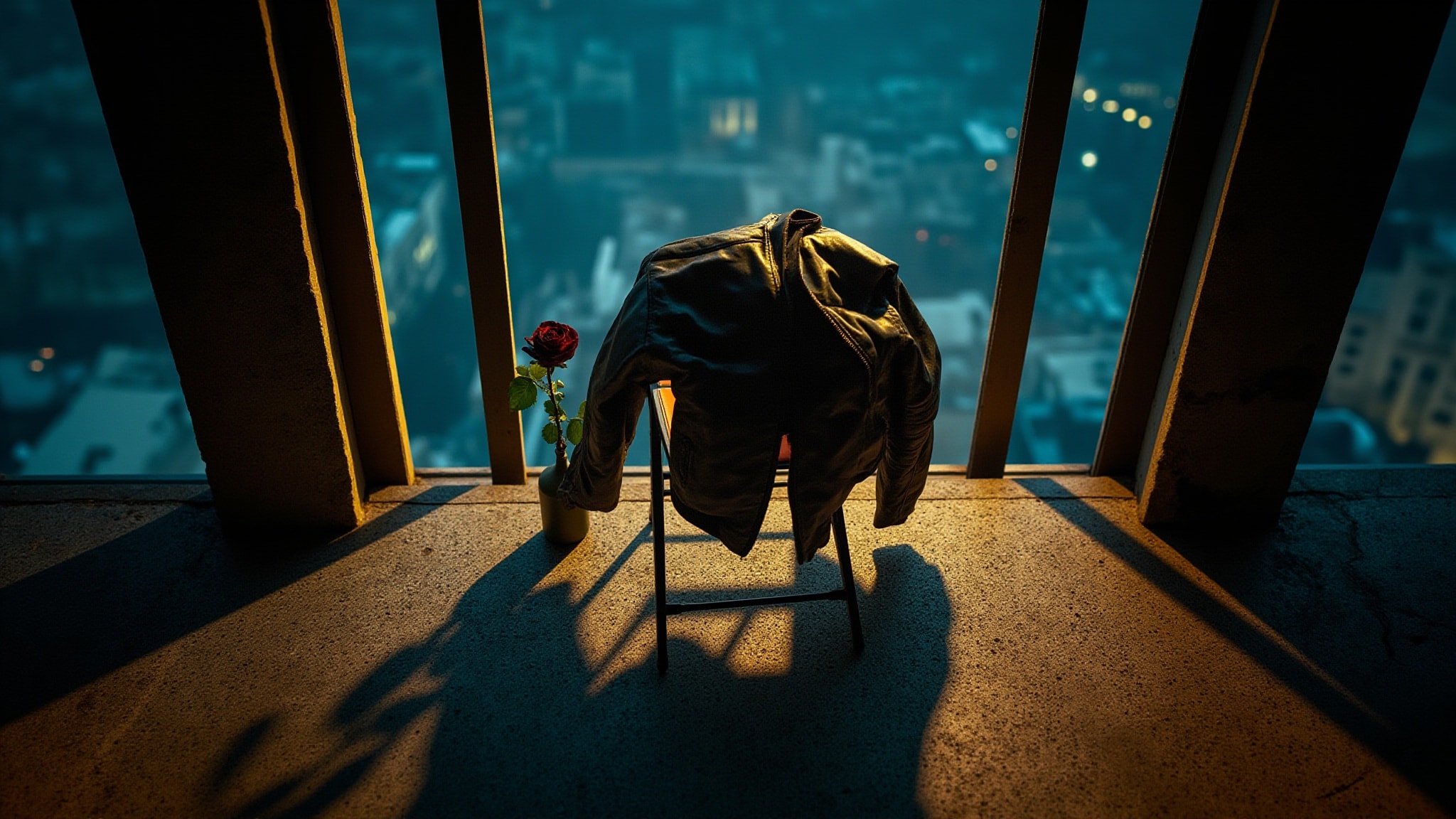
Montmartre has always been the Paris that refuses to behave. Below the Sacré-Coeur, where Picasso once painted and Toulouse-Lautrec watched the cabarets, the neighborhood breathes a different air, bohemian, charged, alive with the creative chaos that still echoes through its winding streets. Folies à Montmartre takes this spirit and translates it into leather and smoke. The composition opens with a leather note that feels immediate and tactile, like worn bomber jackets hanging in a studio where paint still lingers in the air. Rose absolute provides a rich, romantic sweetness that layers beneath the leather, giving the fragrance its old-world sensuality.
The real interest here is the leather. It arrives with a worn, lived-in quality that feels authentic rather than polished, the kind of leather that carries history. Paired with osmanthus, it adds a fruity nuance that most leather accord builders skip entirely, creating something that smells of apricot skin pressed against warm suede. Saffron and pink pepper open metallic, almost mineral, their spicy warmth cutting through the richness before the rose deepens and the benzoin begins its slow sweetening work.
The evolution
The opening arrives with saffron first, metallic, warm, slightly medicinal, before the frankincense smoke follows. Pink pepper keeps things sharp. In the early stages, it's warm spice and resinous smoke, an opening that announces itself without apology. Then the rose arrives. Not the polite rose of spring florals, rose absolute, dense and almost jam-like, spreading beneath the smoke. The iris arrives quietly, powdery and slightly metallic, blending with the osmanthus to create a floral heart that smells like old petals pressed in a book. The handoff from top to heart is where this fragrance earns its complexity, the smoke and spice giving way to something softer and more contemplative. The base is where it commits. Black leather takes over, animalic and absolute, while oud provides depth and benzoin adds a sweet balsamic finish that prevents the leather from going too far.
Cultural impact
Folies à Montmartre draws from a neighborhood that has defined bohemian culture since the 19th century, when artists like Picasso, Modigliani, and Toulouse-Lautrec made it their home. The cabarets, studios, and winding streets of Montmartre represented a freedom from convention that still resonates today. This hill above Paris has always attracted those who refused to follow the expected path, who found freedom in the cobblestones and the view from the steps of the Sacré-Coeur.