
The Story
Why it exists.
The beginning
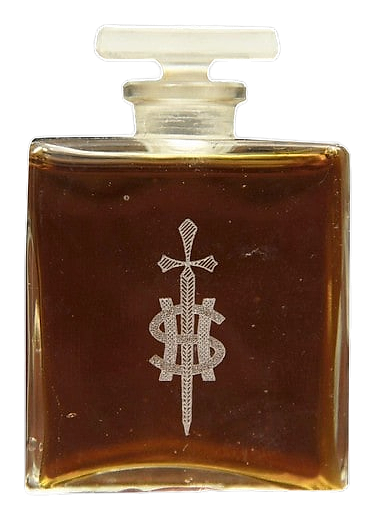
64 came out of a fashion house, not a perfumery. Sjaak Hullekes and Sebastiaan Kramer had built their practice in Arnhem around recycled textiles, and the fragrance arrived in 2012 as a parallel object: limited, deliberate, existing in a small edition. The number itself refers to the antique perfume bottles that inspired the project, a found collection that anchored the release. Hullekes and Kramer treated 64 the same way they treated their clothing, with the same instinct for materials and the same refusal to overproduce. Barnabé Fillion composed the juice, working from a brief that valued restraint over abundance. The result smells like a wardrobe in miniature, a single garment cut from unexpected fabric. A men's label, a perfume, one shared logic of restraint.
What makes the composition interesting is the collision at its center. Citrus and neroli do the bright work up top, almost cheerful, but the heart drops into licorice and cut grass within minutes. That green sweetness, slightly bitter, slightly anise-leaning, gives the scent its unexpected register. The neroli keeps flickering through the midphase, almost stubborn in its refusal to disappear entirely, and the licorice wraps around it with a cool, herbal edge. Then tobacco and amber arrive underneath, and the whole thing stops being a casual daytime scent.
The evolution
The opening belongs to neroli and bergamot, sharp and a little green, with black pepper pushing through like a crack in the window. The citrus sits high and present for a while, almost aggressive in its brightness, before pulling back and letting the licorice step forward. The licorice arrives sweet but with that grassy bitterness underneath, the kind of sweetness that makes your mouth water rather than coats it. It settles into the heart of the fragrance and stays there, mingling with the neroli that refuses to fully leave. As the composition warms against skin, the tobacco begins to emerge, dry and slightly smoky, layered over an amber base that feels almost edible, like burnt sugar caught before it turns. The neroli fades to a memory at the collar, but it never disappears completely.
Cultural impact
64 sits in a small, deliberate space: a fashion-house fragrance made in limited numbers by perfumer Barnabé Fillion, composed for a label better known for what it makes with cloth than what it puts in a bottle. It appeals to wearers who read licorice in the heart as interesting rather than strange, who notice when a scent leans herbal instead of sweet. The tobacco-amber base gives it a gravity that the bright opening refuses to predict, and that tension is part of why it lingers in memory.