
The Story
Why it exists.
The beginning
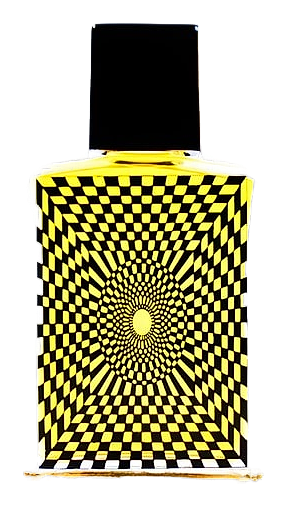
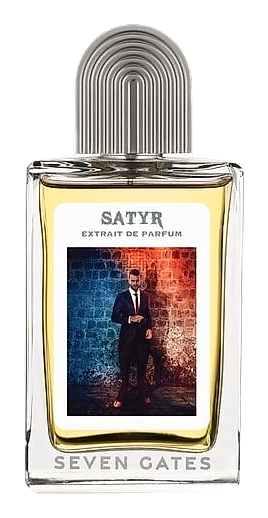
The satyr is an ancient Greek figure, part man, part beast,lover of wine and vice, incapable of shame. Seven Gates took that mythology and dressed it in a tailored suit. Angéline Leporini composed Satyr in 2024 as part of the Duality Collection, asking: what if the respectable businessman at the bar has hooves underneath? The name is the concept. The fragrance is the proof.
What makes Satyr work is the structural lie. Lavender opens clean, crisp, professional, appropriate. Then the hemp arrives and everything shifts. It's not aggressive or skunky; it's green, herbal, almost meditative. The freshness doesn't disappear so much as it gets complicated. The fougère structure (lavender + vetiver + oakmoss territory) is honored but subverted, classic male fragrance grammar rewritten by someone who read the original text and took notes in the margins.
The evolution
The opening is a lie. Clean lavender, pink pepper's quick spark, ginger's bite, all perfectly civilized. Ten minutes in, the cannabis stops hiding. Green, slightly resinous, it reshapes the space between you and the air around you. Cedarwood rises from the heart like smoke from a distant fire, sandalwood adding cream, vetiver adding earth. By the third hour, leather and frankincense own it. Patchouli keeps things dark and dry. The smoke doesn't billow, it lingers. Close to the skin, intimate, the kind of drydown that someone leans in to catch and then looks up to find you watching them do it.
Cultural impact
In the crowded niche fragrance space, Satyr stakes a specific claim. The smoky-cannabis aromatic-woody quadrant has become a territory explored by many, but Satyr's particular tension, clean opening, complicated heart, warm close, differentiates it. The brand's Turkish origin situates it within a growing independent fragrance tradition that blends Middle Eastern perfumery influences with European structure. For wearers drawn to fragrances that have a point of view, Satyr delivers one.