The Story
Why it exists.
The beginning
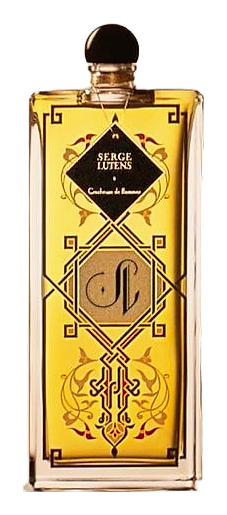
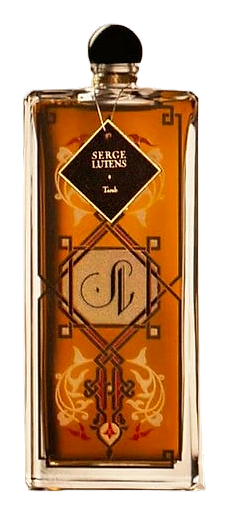
Tarab is Serge Lutens' tribute to the perfumes of Arabia, but more specifically, to the feeling those perfumes were designed to produce. Tarab is a word from Arabic music describing the ecstatic state induced when sound reaches something primal in the listener. Lutens has always chased that kind of transcendence in his compositions, and Tarab is his most direct attempt to bottle it. The fragrance originated in the Flacons de table collection as a limited edition before its 2025 relaunch into the Royaume des Lumières line. Christopher Sheldrake, Lutens' perfumer since 1992, translated this concept of musical rapture into a rose-and-oud composition, but one that earns its ecstasy through balance rather than force. The challenge was making an opulent oriental that doesn't overwhelm, a fragrance that elevates without suffocating.
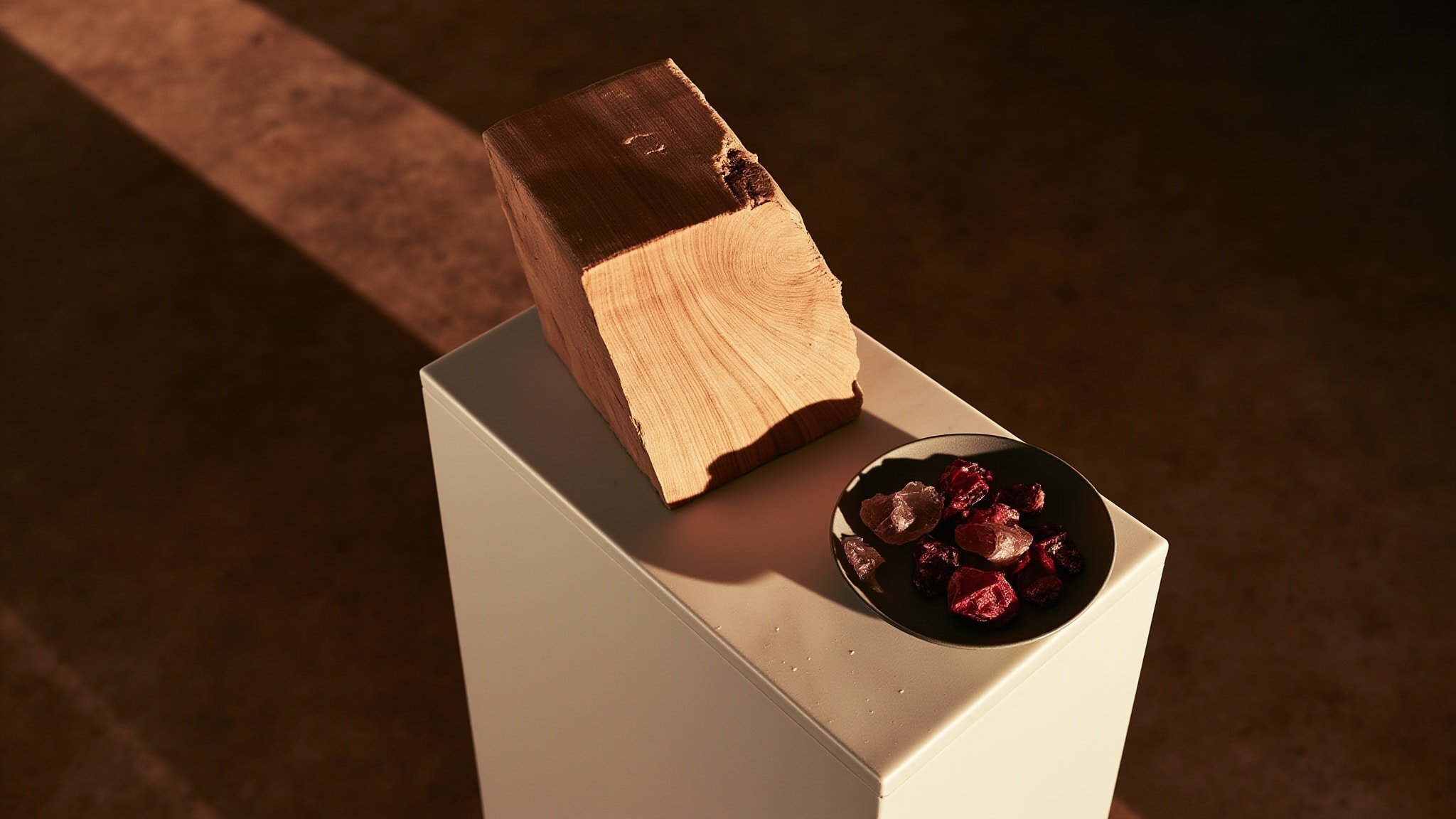
Rose and oud is a classic pairing for a reason, but it's also a minefield. Too much oud and it turns medicinal. Too much rose and it becomes predictable. Sheldrake's solution is elegant: let the candied fruits do work that neither note can do alone. The candied fruit accord isn't decorative sweetness tacked on at the end. It's structural. It intercepts the heaviness before it arrives, brightening the rose's natural honey and preemptively softening what could turn austere in the oud. Cedar then enters to provide a dry, slightly resinous counterweight, clean enough to keep the composition from becoming syrupy, warm enough to honor the oud at its base.
The evolution
The opening announces itself warmly, candied fruits hitting bright and immediate, softened by cedar's dry cleanliness. That initial sweetness doesn't retreat politely; it sits front and center for the first thirty minutes while the woods arrange themselves underneath. This is not a shy beginning. Then the rose begins its slow emergence. Turkish rose is never an explosive entrance, it unfolds gradually, its honeyed richness deepening as the candied fruit slowly transforms from bright to jammy. The oud arrives not as a shock but as a settling, a warmth that moves closer to skin over time. The combination of rose and oud is where the fragrance earns its name: there is something almost musical in how these elements hand off to each other. The drydown is cedar's domain. That dry, slightly smoky wood takes over as the florals recede, but the oud lingers beneath, warm, animalic, patient. The final hours belong to this quiet wood-and-resin base, close to skin but persistent.
Cultural impact
Tarab sits in a specific tradition: the Western house paying homage to Arabian perfumery without flattening it into novelty. Lutens has always worked this way, Morocco changed him, Japan changed him, and his work absorbs those places without becoming them. The fragrance trades in the same currency as other Lutens orientals like Chergui or Ambre Sultan: opulence earned through restraint, luxury that doesn't announce itself. What distinguishes Tarab is its accessibility within that framework. The candied fruit accord makes it easier to approach than some of its siblings, but it doesn't apologize for its ambitions.