
The Story
Why it exists.
The beginning
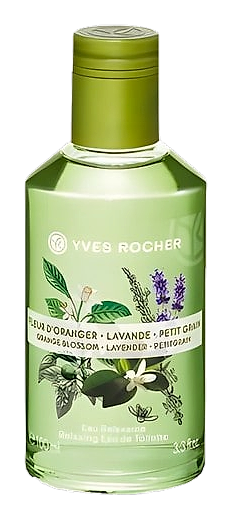
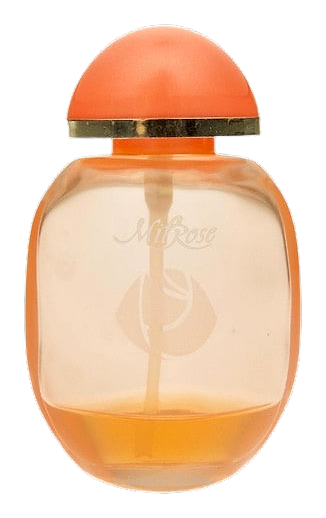
Milrose arrived in 1985 as part of Yves Rocher's botanical fragrance line, a house built around plant-derived ingredients and the gardens of its Breton origin. Where other houses reached for complexity, Milrose went minimal. Two notes. One accord. The brief was apparently simple: let the rose speak. What emerged was a concentrated study in what aldehydes do to a rose, not decoration, but structure. The aldehydes become a frame, lifting the rose's natural oils into something more crystalline, more persistent. The name itself reads like a label on a garden bottle: rose, abbreviated, precise.
What makes Milrose interesting isn't its simplicity, it's what that simplicity reveals. Aldehydes, in most fragrances, arrive and depart. Here, they behave differently. They lift the rose accord and hold it in place longer than expected, turning what could be a straightforward floral into something with architectural tension. The rose doesn't simply bloom and fade. It stays, modulated by aldehydic brightness, until the powder comes. That structural discipline, two materials doing the work of five, is what makes it worth knowing. Vintage collectors who have tracked it down describe the rose accord as oily, rich, almost physical. The aldehydes keep it from being too much, but only just.
The evolution
The aldehydes open clean, sharp, almost metallic, a cold gleam before the warmth arrives. Within minutes, the rose accord thickens into something concentrated and waxy, petals crushed rather than plucked. The aldehydes don't retreat. They hang in the background, keeping the rose precise and bright against what could otherwise become heavy. The heart phase is where it earns attention: that rose accord with real weight, rich enough to suggest the steam of a rose garden in summer heat. Then the aldehydes soften, and what remains is powder, warm, close to the skin, the kind of finish that only the wearer notices at first. The drydown is intimate and soft, lasting another 2-3 hours in its quiet final phase. This is a fragrance that becomes a secret the longer you wear it.
Cultural impact
Milrose arrived in 1985 during a pivotal moment when classic aldehydic fragrances were giving way to brighter, fruitier compositions. Its minimalist two-note structure challenged the prevailing notion that complexity equaled quality. Though discontinued, Milrose remains a quiet reference point in discussions about restrained botanical perfumery, particularly within the Yves Rocher heritage that prized accessibility over exclusivity. The fragrance found devoted wearers who appreciated its powdery sophistication in an era increasingly dominated by louder, sweeter signatures.