The Story
Why it exists.
The beginning
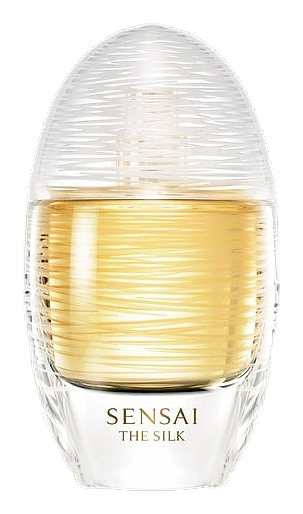
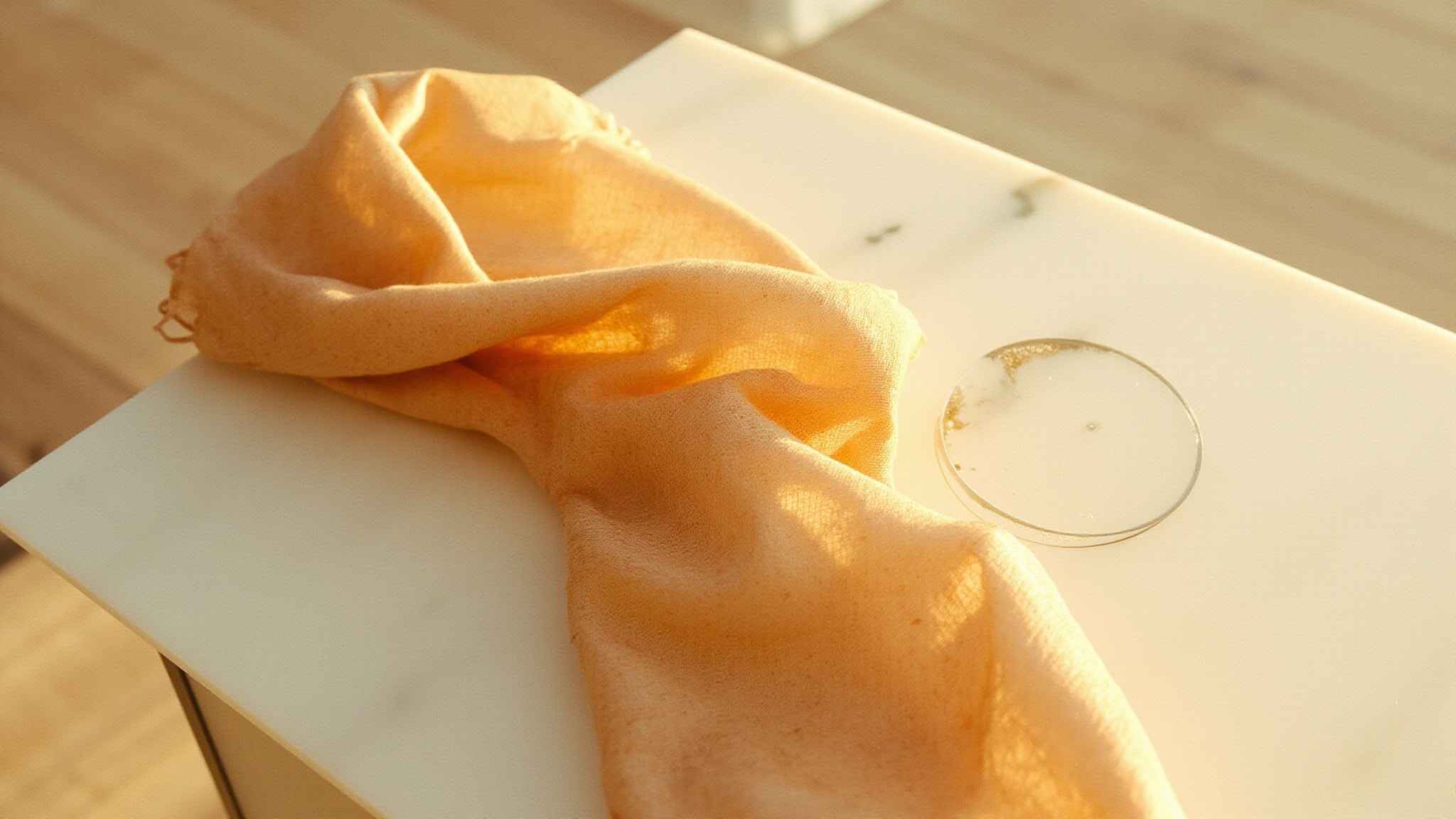
Kanebo launched SAVON DE SOIE, Silk Soap, in 1936. Nearly eighty years later, the brand finally bottled that obsession in fragrance form. The Silk Eau de Parfum arrived in 2015, crafted by Marie Salamagne, and it carries the logic of skincare thinking into scent: what if luxury meant something that felt like it was already part of you? The name isn't metaphor. It's the ingredient at the center of everything Sensai does.
What makes The Silk work is the way it refuses excess. Four top notes, violet leaf, bergamot, pear, pink pepper, arrive clean and crisp, but none of them camps out. The heart pivots to amber as a bridge rather than a destination, letting orchid, peony, and lily of the valley share space without competing. Tonka bean and musk in the base don't announce themselves. They just make everything that came before feel warmer, closer, more like skin than perfume. It's a composition that trusts restraint.
The evolution
The opening hits like cold air on clean linen, bright, almost startled by itself. Violet leaf and bergamot arrive together, with pink pepper providing just enough edge to keep things interesting. Within twenty minutes the structure shifts. The fruity sweetness of pear dissolves into amber, and suddenly the fragrance feels like it's breathing, not performing. Peony and lily of the valley emerge quietly in the heart phase, neither demanding center stage. By the third hour, musk and tonka bean have taken over. The drydown is intimate, powdery, close, the kind of scent someone notices only when they're already beside you. On fabric, it ghosts for hours. On skin, expect four to six hours of quiet presence.
Cultural impact
The Silk Eau de Parfum arrived in 2015 as Sensai's first standalone fragrance, marking the Japanese beauty brand's expansion beyond skincare into olfactory storytelling. Sensai built its reputation on silk-derived skincare ingredients inspired by Japanese sericulture, and The Silk translates that heritage into scent. The fragrance occupies a specific niche: soft florals with powdery drydowns marketed to sophisticated consumers. Its 2015 release coincided with a broader market shift toward intimate, skin-close fragrances that rejected the loud projection trend of the 2000s. The launch of both EDT and EDP versions simultaneously reflected a trend toward offering consumers layered options within a single scent story. Marie Salamagne's brief was to create something that felt like skin rather than perfume, and The Silk became a reference point for the 'your skin but better' category that proliferated in the subsequent decade. The fragrance maintains an enthusiast cult following not through sillage or projection but through its specific balance of violet leaf freshness and powdery warmth, representing a quiet counterpoint to the blockbuster fragrances dominating the market at its launch.