
The Story
Why it exists.
The beginning
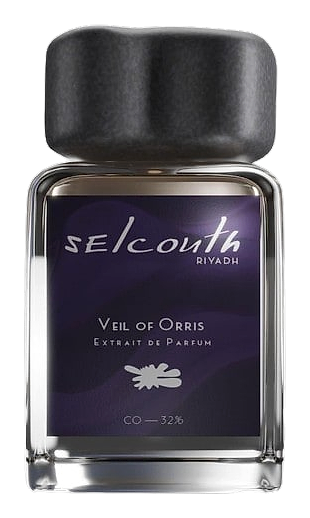
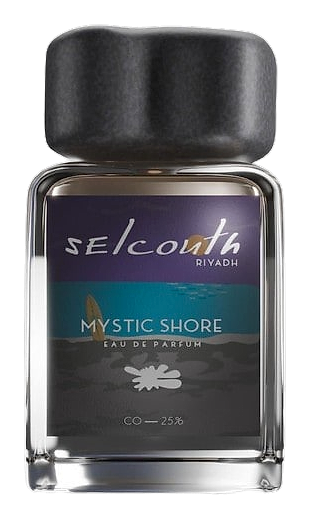
The name says everything. A shore that resists easy definition, where water hasn't quite decided whether to advance or retreat. Abdulaziz Alshaibani built Mystic Shore around that ambiguity, drawing on the mineral freshness of coastal atmospheres and the aromatic intensity of plant life. The aldehydes became the mechanism. Not the aldehydes of Chanel's grand tradition, but something leaner, an effervescent lift that could carry citrus and rum without flattening either. The jasmine tea added quiet complexity. The leather and ambergris brought the shore back to earth. It is a fragrance about borders: between cool and warm, fresh and deep, air and sea.
What makes the composition work is the aldehydes used as a structural element, not merely decorative. In most fragrances, aldehydes are the opening act, sparkling, then gone. Here, they function as a binding agent, holding the bright citrus and rum in a way that prevents the opening from feeling disjointed. The aldehydes create a framework that lets each element maintain its character while contributing to a unified whole.
The evolution
The opening is where Mystic Shore announces its intentions. Aldehydes lift the citron and bergamot into something effervescent, the rum note adding warmth underneath that prevents the aldehydes from reading as cold. Pink pepper appears briefly, a spice that flickers rather than burns. As this initial phase develops, the aldehydes settle and the heart begins to establish itself. The heart is where the composition breathes. Lavender arrives with its dual nature, herbal and floral at once, while jasmine tea keeps the floral side soft and slightly green. Petitgrain adds a bitter citrus quality that reinforces the freshness without competing with the opening. The drydown arrives gradually. Marine notes deepen, merging with ambergris into something mineral and intimate, not the sharp salt of a typical aquatic fragrance but the deeper, more complex smell of actual shore.
Cultural impact
Mystic Shore arrives at a time when coastal scents are being reimagined beyond the obvious. Rather than relying on synthetic marine accords, Selcouth's approach through aldehydes, jasmine tea, and ambergris creates something more considered. The fragrance does not announce itself across a room but rewards those who come close. Its restraint gives it an intimate quality, making the marine notes feel personal rather than performative. For those who prefer their coastal fragrances subtle and layered, it offers complexity that reveals itself gradually rather than all at once.