
The Story
Why it exists.
The beginning
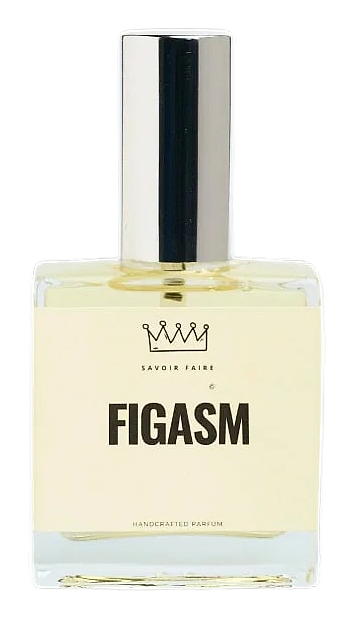
Figasm arrived in 2024 from Savoir Faire, a house built around fig fragrances with teeth. The name does exactly what it promises. This is a fig fragrance, but rendered as the fruit in its feral state, bruised and dripping, with ginger snapping at its heels. The brief was earthy, musky, a little spicy. The result leans decadent. Classic built it to sit in that space between refreshment and something that knows exactly what it is doing. On skin, the fig reads less like a dessert and more like something harvested at the edge of ripeness, sticky with sap and edged with green leaf. The ginger cuts through without burning, a sharp pepper that wakes the opening before the heavier materials settle in. The composition pulls you in close. It does not perform.
Most fig fragrances chase the fruit's sweetness and stop there. Figasm refuses that shortcut. Blackcurrant and pear bring brightness to the opening, but the composition pivots hard into cryptomeria and papyrus. Cryptomeria lends a dry, almost pencil-shaving quality, a wood that smells like it was shaved fresh from the trunk rather than polished into furniture. Papyrus adds an ancient-paper texture, the smell of something preserved rather than fresh, fibrous and slightly sour.
The evolution
The first ten minutes are almost startling. Blackcurrant and pear arrive like a bright slap, fruity in a concentrated way that suggests reduction rather than abundance. Fig shows up fast, not as jam but as something torn open, sticky and vegetal, with that latex quality figs carry on the branch. Ginger threads heat through the sweetness without ever turning sharp, more like the warmth of sun-warmed bark than bite. By the twenty-minute mark, the fruitiness has been swallowed by cryptomeria and papyrus, and the drydown shifts into something quieter, almost mineral. Frankincense deepens, not smoky but resinous, a clean incense that holds the middle together. Ambroxan and musk settle into the base, giving skin a clean warmth that persists for hours. Hours later, on fabric, what survives is the papyrus, a faint woody ghost, and the soft animal hum of musk clinging to fibers.
Cultural impact
Figasm arrives wearing its strangeness proudly. Where many fig fragrances soften the fruit into something approachable and sun-warmed, this one pushes toward the feral edge, the ripeness that flirts with rot. It smells like the fruit picked too late, with sap still clinging to the stem. The composition treats fig not as comfort but as a material with real weight, then sets it against woods and incense that keep the sweetness honest. This is not a crowd-pleaser designed to broaden appeal.