
The Story
Why it exists.
The beginning
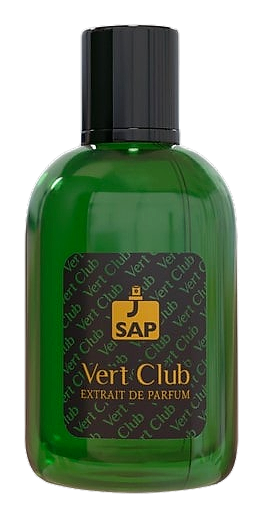
Vert Club is a green-leaning composition from SAP Perfume, and its palette reads more herbal than resinous, which makes it sit in an interesting place alongside the brand's other work. The name carries the kind of restraint you'd expect from a label that doesn't reach for press-release language. Where many niche houses lead with a named perfumer or a creative director's biography, SAP doesn't, and sources simply don't name one. There's no personality borrowing here, no quoted aesthetic manifesto, just the juice in the bottle and whatever it does on skin. The composition opens with a bitter-orange brightness tempered by the sharp green of petitgrain, two notes that trade sharpness for aromatic bite before the heart unfolds.
What makes Vert Club distinctive is the tension between its green bitter-orange top and its warmer benzoin-vanilla base, a shift from sharp citrus into something more resinous and golden as the hours pass. Petitgrain carries the bitter edge of neroli's leaf, not the flower, which gives the opening a sharper, more aromatic bite than a standard citrus splash would.
The evolution
The opening belongs to petitgrain, which reads almost like grapefruit pith rubbed between warm fingers, sharp and slightly soapy, with bitter orange lifting the brightness just enough to keep it from turning austere. The petitgrain here is less leafy and more bitter-citrus, the kind of note that stings the nostrils before settling into something rounder. Soon after, the ylang-ylang arrives with the unmistakable density of banana-skin ripe fruit, and the jasmine sambac trails behind it, indolic and warm, more late-summer garden than clean laundry. The pink pepper sits at the edge of perception, cooling the florals without ever announcing itself outright, a subtle mineral chill that keeps the heart from becoming too sun-warmed.
Cultural impact
Vert Club occupies a specific corner of the niche fragrance conversation by leaning into green-citrus brightness at the top and a warm balsamic base at the bottom, a structure that nods to traditional perfumery without copying any single era. The composition's bitter-orange and petitgrain opening sits firmly in the aromatic-green tradition, while the benzoin and vanilla drydown pulls toward the amber-resinous side of the spectrum. Together those poles create a fragrance that bridges categories rather than committing to one.