The Story
Why it exists.
The beginning
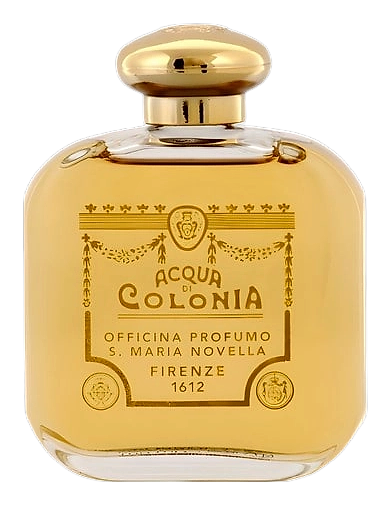
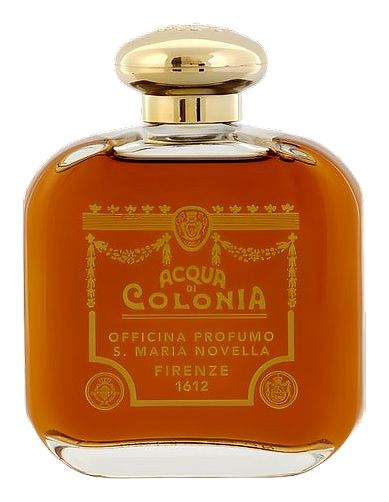
The name Frangipane carries centuries of history. It traces back to the Marquis de Frangipani, whose scented gloves, blending plumeria, red jasmine, herbs and spices, fixed with balsams, became a benchmark of aromatic luxury in European courts. When Santa Maria Novella crafted their own interpretation in 1828, they reached into their apothecary roots and pulled out something unexpected. Not a recreation of noble vanity, but a reinterpretation through the lens of the Florentine pharmacy that had served Catherine de' Medici, that had earned the patronage of royal courts across France and Spain. The 1828 fragrance took that herbal-glove tradition and fused it with tropical florals, an East-meets-Florence moment that was entirely its own.
What makes this structure unusual is the inverted pyramid. Thyme and nutmeg arrive first and stay, setting the stage rather than disappearing in minutes. Most fragrances lead with citrus or light spices that flash and fade. Here, the herbs are a deliberate foundation, framing the tropical flowers that bloom above them. It's compositional inversion: expecting a brief herbal greeting and receiving a full aromatic prelude. The base of Peru balsam and sandalwood adds warmth and smoke that extends the wear, while the florals, frangipani, rose, tuberose, persist as an undertone even as the herbs anchor the experience throughout.
The evolution
The opening announces itself with thyme's green bite, that camphorated edge cutting through like crushed leaves on warm skin. Nutmeg follows, warm spice threading through the herbs without softening them. For the first thirty minutes, this is an apothecary. Clean, sharp, intentional. Then the tropical florals begin to surface. Frangipani arrives creamy and sweet, not in spite of the herbs but as a response to them. Rose and tuberose amplify the floral heart, with orris root adding a powdery iris quality that deepens the complexity. The transition isn't gentle, it's a hand-off, the herbs receding as the garden asserts itself. By hour three, the drydown takes over. Peru balsam brings warmth, honeyed and slightly smoky. Sandalwood settles into the base, woody and intimate. The community review captures it well: wood-smoky and birch-leathery, with the sweet florals still murmuring underneath. Lasting six to eight hours on most skin types, it stays close, moderate sillage, the kind of presence that rewards proximity.
Cultural impact
Discontinued but not forgotten. Frangipane occupies a particular corner of fragrance culture, sought by collectors who appreciate Santa Maria Novella's apothecary character, discussed by those who find the herbal-floral contrast either brilliant or challenging. The 1828 origin places it among the earliest commercial women's fragrances, predating modern perfumery's vocabulary. It's not a safe blind buy, but for those who respond to its particular alchemy, thyme framing tropical flowers, balsamic warmth anchoring the florals, it's the kind of fragrance that defines a relationship with scent.