The Story
Why it exists.
The beginning
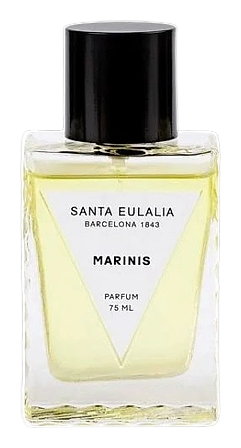
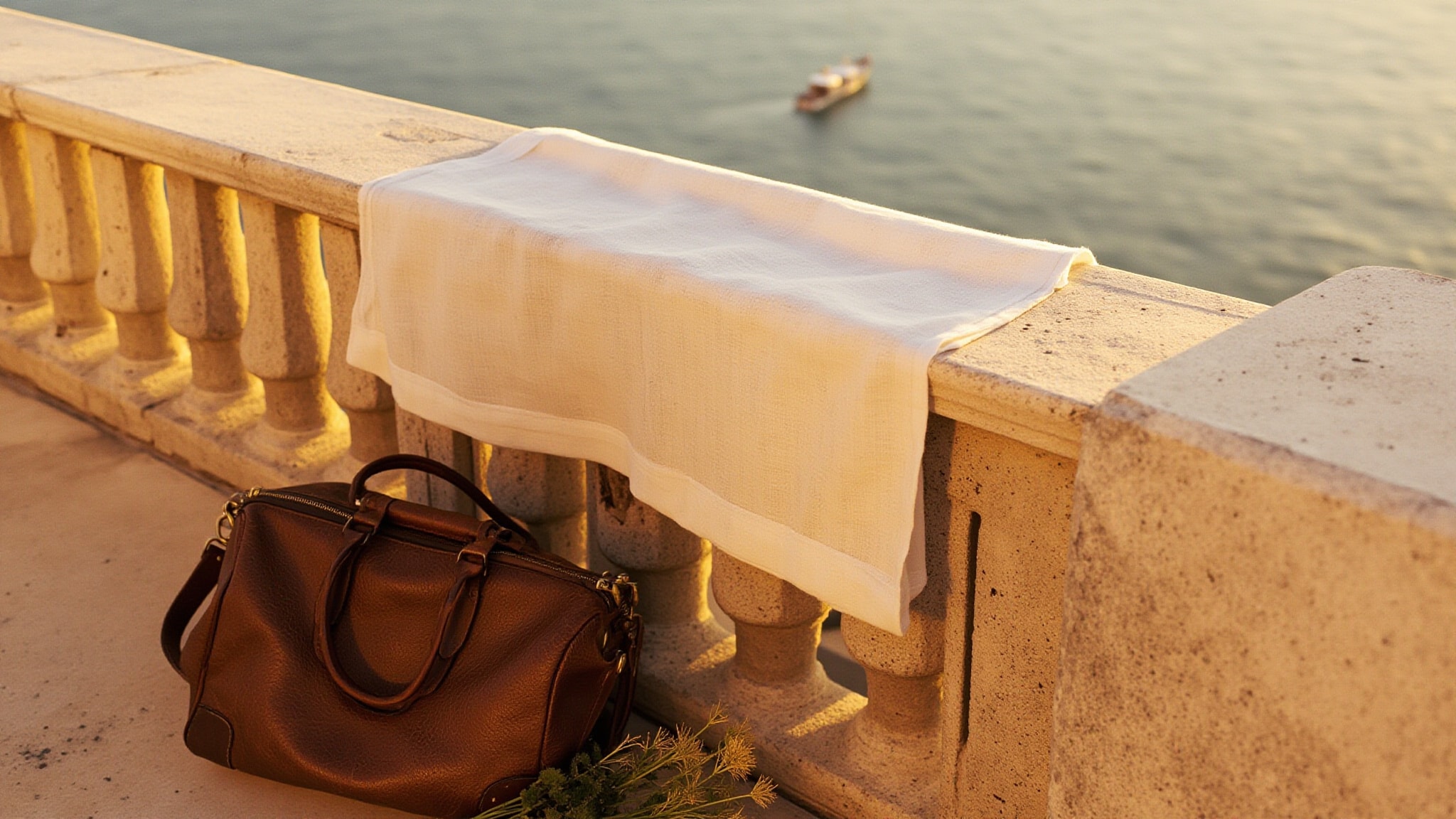
Santa Eulalia, founded in Barcelona in 1843, began as a textile workshop before evolving into a house known for heritage tailoring fused with modern sensibility. Marinis arrived in 2014 under perfumer Christian Vermorel, representing the house's interpretation of Barcelona's coastal atmosphere. Rather than defaulting to predictable Mediterranean tropes, Santa Eulalia pursued something specific: the particular aromatic quality of coastal herbs touched by sea wind and sunlight. Vermorel was tasked with capturing that specific mood rather than a generic marine concept.
The uncommon fennel note in the opening signals Santa Eulalia's intent to create a fragrance with aromatic complexity rather than straightforward marine appeal. Lemon and aquatic notes justify the coastal framing while fennel and bay leaf add Mediterranean herb garden texture. The pairing of heliotrope with orange blossom creates a heart that reads as floral without conventional sweetness, providing nuance that separates Marinis from mass-appealing aquatics. Cedarwood and white musk in the drydown ground the composition in woody restraint, ensuring the fragrance maintains composure throughout its evolution.
The evolution
Marinis opens with lemon, aquatic notes, and a notable fennel presence, immediately establishing an aromatic citrus aquatic character that feels Mediterranean without being stereotypical. The top phase lasts approximately five minutes before the heart notes of bay leaf, heliotrope, and orange blossom begin to assert themselves. Bay leaf grounds the composition with green herbal depth, heliotrope adds a powdery sweetness that tempers the herbaceous quality, and orange blossom contributes clean white floral brightness that bridges the fresh opening to the warmer drydown. This heart phase endures for two to three hours, gradually revealing cedarwood as the dominant drydown note. White musk provides a final clean skin presence that extends wear without projecting aggressively. The entire arc progresses from bright citrus aquatic through textured green florals to restrained woody warmth.
Cultural impact
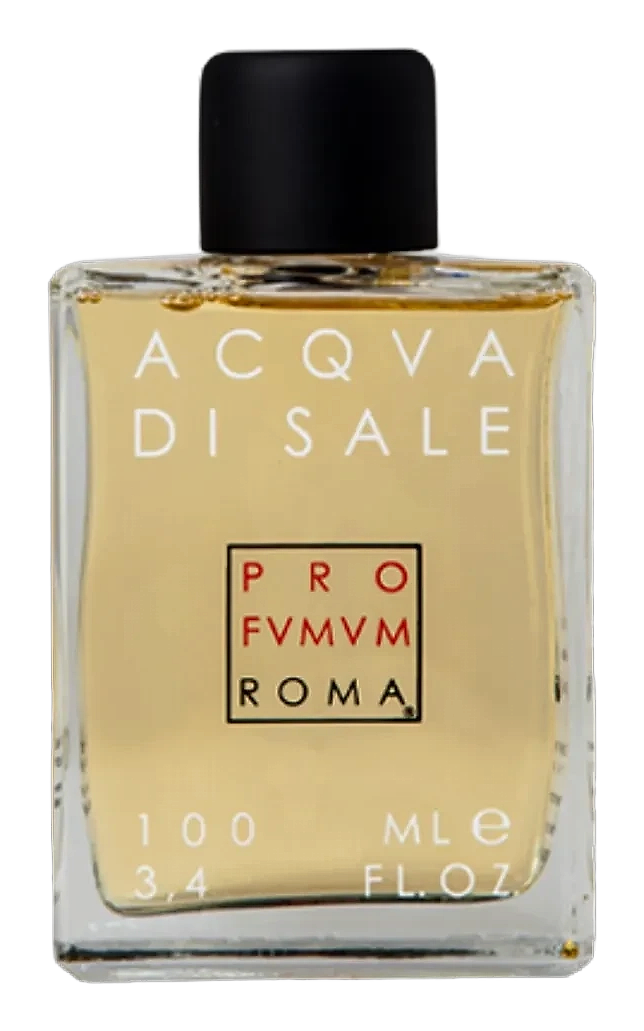
Since its 2014 debut, Marinis has become a go-to scent for those seeking a breezy, unisex Mediterranean vibe, often mentioned alongside Acqua di Sale and Mare Nostrum in niche fragrance discussions. Its popularity grew through social media communities that celebrate coastal lifestyles, and it has been featured in seasonal runway shows that emphasize Mediterranean aesthetics, reinforcing its status as a modern classic in the niche market.