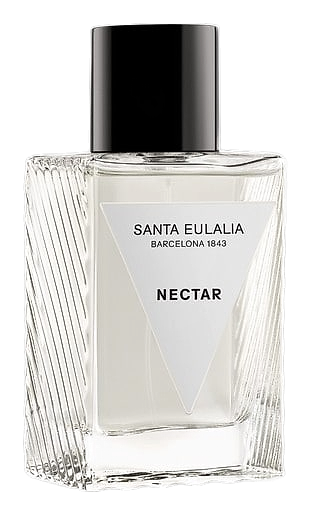
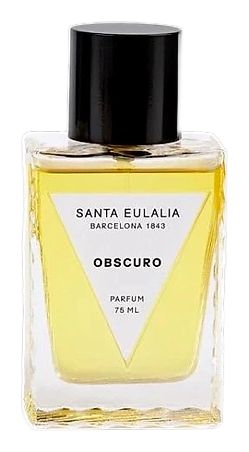
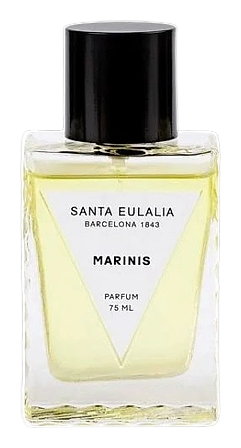
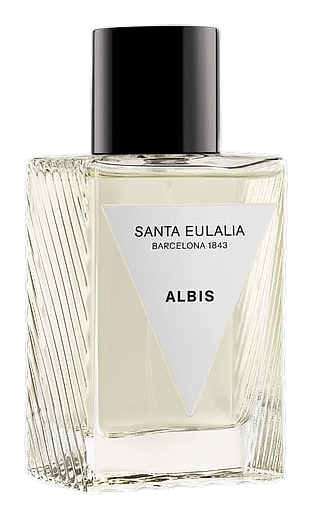
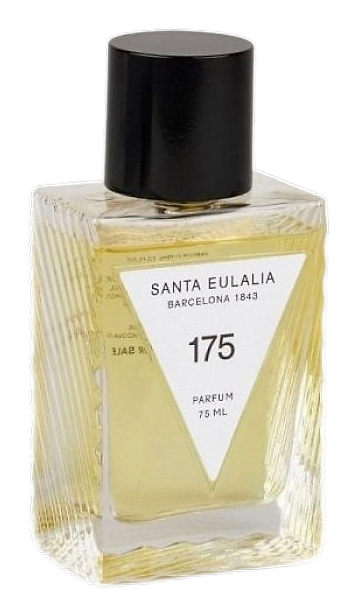
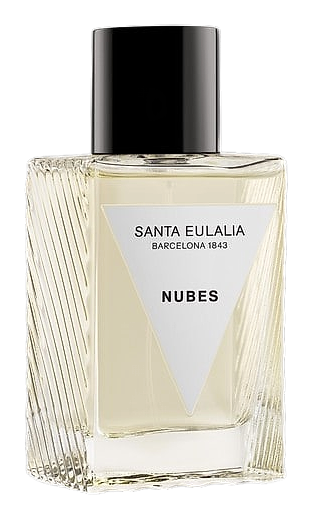
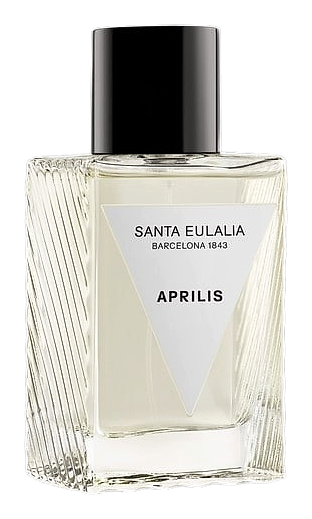
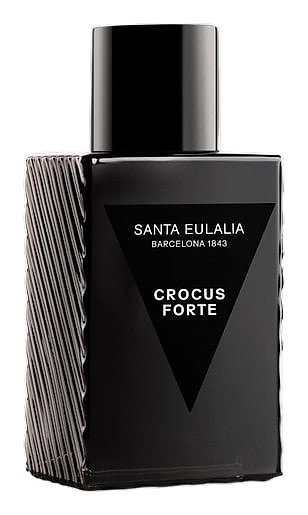
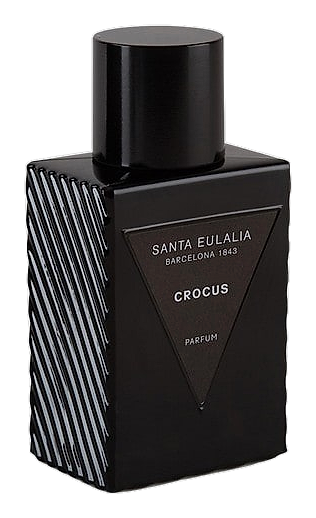
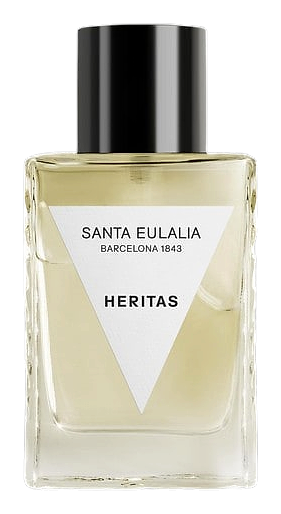
The Heritage
The Story of Santa Eulalia
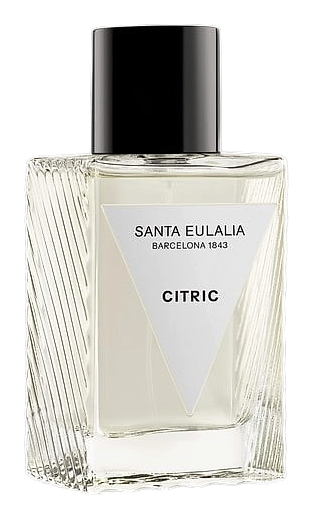
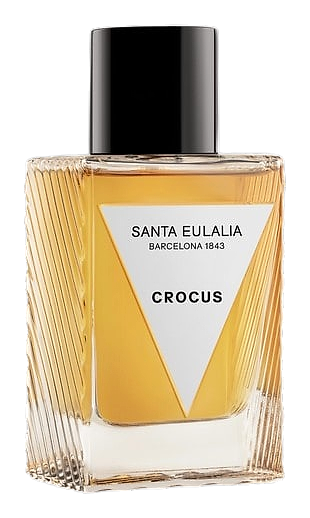
Santa Eulalia began as a Barcelona textile workshop in 1843 and grew into a fashion house that helped shape Spain’s early haute couture scene. In the 2010s the brand extended its heritage into fragrance, releasing scents such as Citric (2014) and Crocus (2021) that echo the Mediterranean light of its hometown. Today the label balances historic craftsmanship with contemporary design, offering a curated line of perfumes that reflect both the city’s cosmopolitan pulse and its artisanal roots.
Heritage
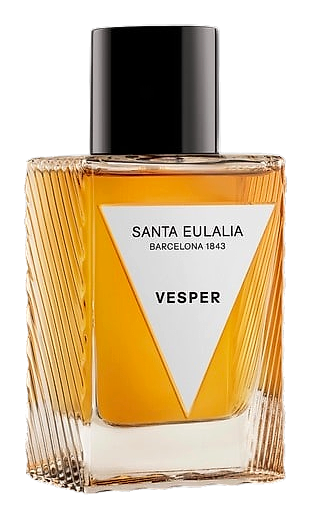
The original Santa Eulalia shop opened on La Rambla in 1843, founded by a family of textile merchants who supplied silk and lace to the emerging Spanish elite. By the late 19th century the business had expanded into ready‑to‑wear clothing and, according to historic accounts, hosted Spain’s first haute couture runway in the early 1900s. The house survived the Spanish Civil War, maintaining its boutique on a new site in the Eixample district after the conflict. In the 1970s the brand introduced a line of accessories that reinforced its reputation for quality tailoring. A decisive shift occurred in 2014 when Santa Eulalia launched its first perfume, Citric, followed shortly by Obscuro and Marinis. The move was guided by a partnership with the French perfumery house Mane, as reported in a 2014 masterclass interview. Subsequent releases—175 (2018), Crocus Limited Edition (2019), Vesper (2015), and the recent Obscuro Forte (2023) and 175 Forte (2025)—show a steady expansion of the fragrance portfolio. In 2023 the brand announced a private‑label line for the Dubai market, emphasizing the Mediterranean character that has defined its scent language since the first bottle. Throughout more than a century and a half, Santa Eulalia has remained a family‑run enterprise that blends Barcelona’s historic craftsmanship with modern luxury sensibilities.
Craftsmanship
Production begins with a brief that outlines the intended mood, often referencing a Barcelona landmark or seasonal atmosphere. Perfumers then select raw materials from both local Mediterranean farms and vetted global suppliers. Natural extracts such as Valencia orange blossom, Catalan rosemary, and sea salt crystals are combined with high‑grade aroma chemicals that meet the house’s purity criteria. The blending process takes place in a dedicated lab in Barcelona, where each formula undergoes multiple stability tests before approval. Santa Eulalia insists on a minimum aging period of three months for most compositions, allowing volatile notes to settle and the heart of the fragrance to emerge. Bottles are hand‑filled in a small batch line, and quality control inspectors verify each batch against a reference sample using gas chromatography. The brand also employs a refill system for select scents, reducing packaging waste and encouraging long‑term customer relationships. All ingredients are documented in a traceability ledger, a practice the house adopted after the 2020 European fragrance regulation updates. This meticulous approach ensures that each perfume delivers a consistent olfactory experience while honoring the brand’s historic commitment to craftsmanship.
Design Language
The visual language of Santa Eulalia mirrors its architectural roots. Bottle silhouettes are clean, rectangular forms with subtle curvature, reminiscent of Barcelona’s modernist façades. Labels feature a muted palette of ivory, deep navy, and terracotta, colors drawn from the city’s stone streets and Mediterranean sea. The brand’s logo, a stylized “SE” monogram, appears in brushed gold foil on the cap, providing a tactile contrast to the matte glass. Packaging boxes employ recycled kraft paper, printed with a faint line drawing of the original 1843 storefront. In retail spaces, the brand showcases a minimalist interior: white walls, reclaimed wood shelving, and soft ambient lighting that highlights the perfume bottles as objects of art. Seasonal campaigns often incorporate black‑and‑white photography of Barcelona’s historic neighborhoods, reinforcing the connection between scent and place. This restrained aesthetic positions the brand as both contemporary and deeply anchored in its heritage.
Philosophy
Santa Eulalia frames fragrance as a continuation of its textile legacy, treating scent as another material to be woven into daily life. The house states that it seeks to capture the “Mediterranean essence” of Barcelona, a goal it pursues by referencing the city’s light, sea breezes, and historic streets. Creative direction favors a dialogue between tradition and innovation; classic accords such as citrus and marine notes sit beside modern synthetic facets that add depth without overwhelming the composition. The brand emphasizes sustainability, sourcing natural ingredients from regional growers when possible and limiting waste through refillable packaging. Rather than chasing trends, Santa Eulalia aims to create scents that feel timeless, allowing wearers to develop personal memories around each bottle. This philosophy is reflected in the way the house collaborates with perfumers, granting them freedom to explore a narrative rooted in place while adhering to the brand’s quality standards.
Key Milestones
1843
Santa Eulalia opens its first textile shop on La Rambla, Barcelona.
1902
Hosts Spain’s first haute couture runway, establishing a reputation in high fashion.
2014
Launches first perfume, Citric, marking the brand’s entry into fragrance.
2018
Releases 175, a scent inspired by Barcelona’s modernist architecture.
2023
Introduces Obscuro Forte and expands private‑label perfume line to Dubai.
2025
Unveils 175 Forte, a intensified version of the 2018 classic.
At a Glance
Brand profile snapshot
Origin
Spain
Founded
1843
Heritage
183
Years active
Collection
3
Fragrances released
Avg Rating
3.6
Community sentiment
Release Rhythm


