The Story
Why it exists.
The beginning
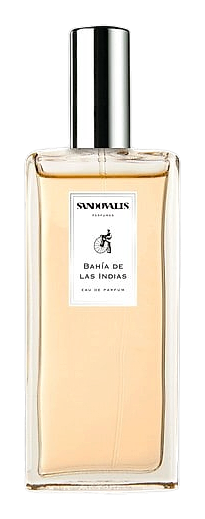
Bahía de las Indias sits at the intersection of craft fragrance and place, a composition built on a short pyramid of six notes drawn from coastal materials. Coconut leads, but it's a particular variety of coconut. Sources describe the opening as the water of a fresh one, slightly green and almost vegetal. Tobacco enters as a dry, warm counterweight, followed by basil, cedar, and vanilla. A review notes wearing it on vacation in Mexico, hinting at how the scent translates to its point of inspiration. Beyond that single mention, the fragrance exists on its own terms, a compact arrangement where every listed note has a role and nothing appears decorative. The six-note structure keeps the composition focused.
The composition works because it refuses the obvious move with its central accord. Coconut in fragrance carries strong expectations, and this one tilts away from them by leaning on tobacco and basil rather than chasing sweetness. The tobacco arrives as a dry, warm element rather than something smoky or ashen, grounding the coconut's natural softness. Basil contributes an herbal green that runs through the middle, giving the blend a coolness that offsets the warmer notes.
The evolution
The first thirty minutes are all coconut, but not the sweet kind. It's the water of a fresh one, slightly green, almost vegetable. Then tobacco arrives and shifts the temperature. The smoke isn't heavy or ash-laden; it's the warm drag off a slowly burning leaf, mixing with basil's cool green into something that smells verdant and grounded at once. Cedar comes next, grounding the composition with a dry woodiness that keeps the sweetness honest. By hour three or four, vanilla has settled into the base, but it doesn't take over. It rounds the edges, gives the tobacco a soft landing. What remains on skin in the later hours is a close, warm blend of cedar and vanilla, faintly sweet, faintly smoky. It doesn't project aggressively after the first few hours, but it stays. Quietly.
Cultural impact
Among coconut-forward fragrances, Bahía de las Indias stands out for its restraint. The blend leans on tobacco, basil, cedar, and vanilla rather than chasing the creamy or sugary path that coconut often takes in commercial perfumery. That combination gives it an herbal edge that distinguishes it from beach-shelf scents, and the tobacco-basil pairing in particular creates a dry-green character that reads as more Mediterranean coastline than tropical resort. Wearers who've tried it on vacation in Mexico note how well the composition holds up in heat and humidity, where the lighter top notes might otherwise collapse.
The House
SandovalisSandovalis is an independent perfumery project founded in Mérida, in the Yucatán Peninsula of Mexico. Active since 2012, the house draws its creative vocabulary from the region's colonial past and its distinctive botanical landscape, producing a catalog of around seven artisanal fragrances that read as olfactory chapters of local history. Each composition is developed and bottled in Mexico, with names that reference specific places, institutions, and cultural references tied to the peninsula, from the gardens of Mérida to the Caribbean coast and the fencing clubs of the era.
The Creator
José Miguel SandovalisThe Sandovalis signature leans toward clean, luminous constructions with a distinctly warm climate sensibility. Citrus notes appear with regularity, often lifted rather than sharp, paired with white florals that stay translucent rather than indolic.