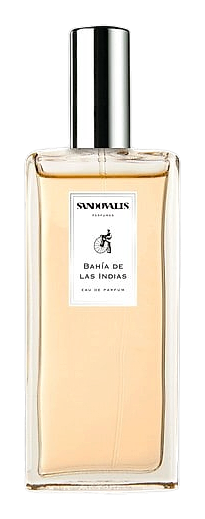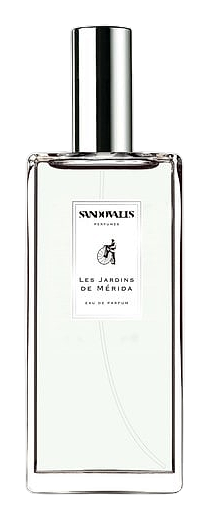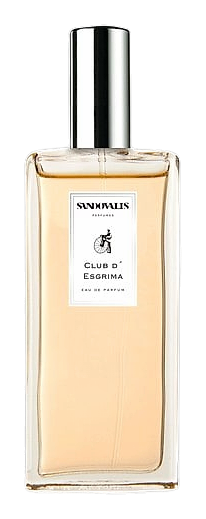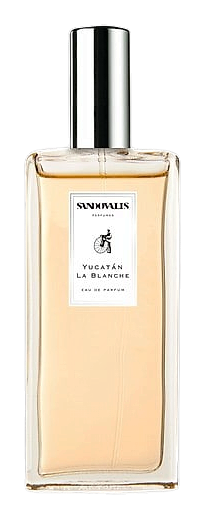

The Story
Why it exists.
The beginning
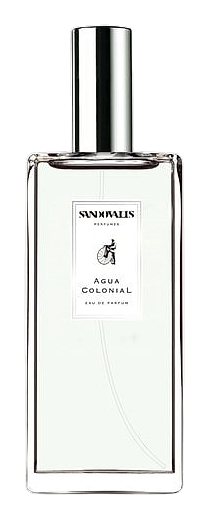
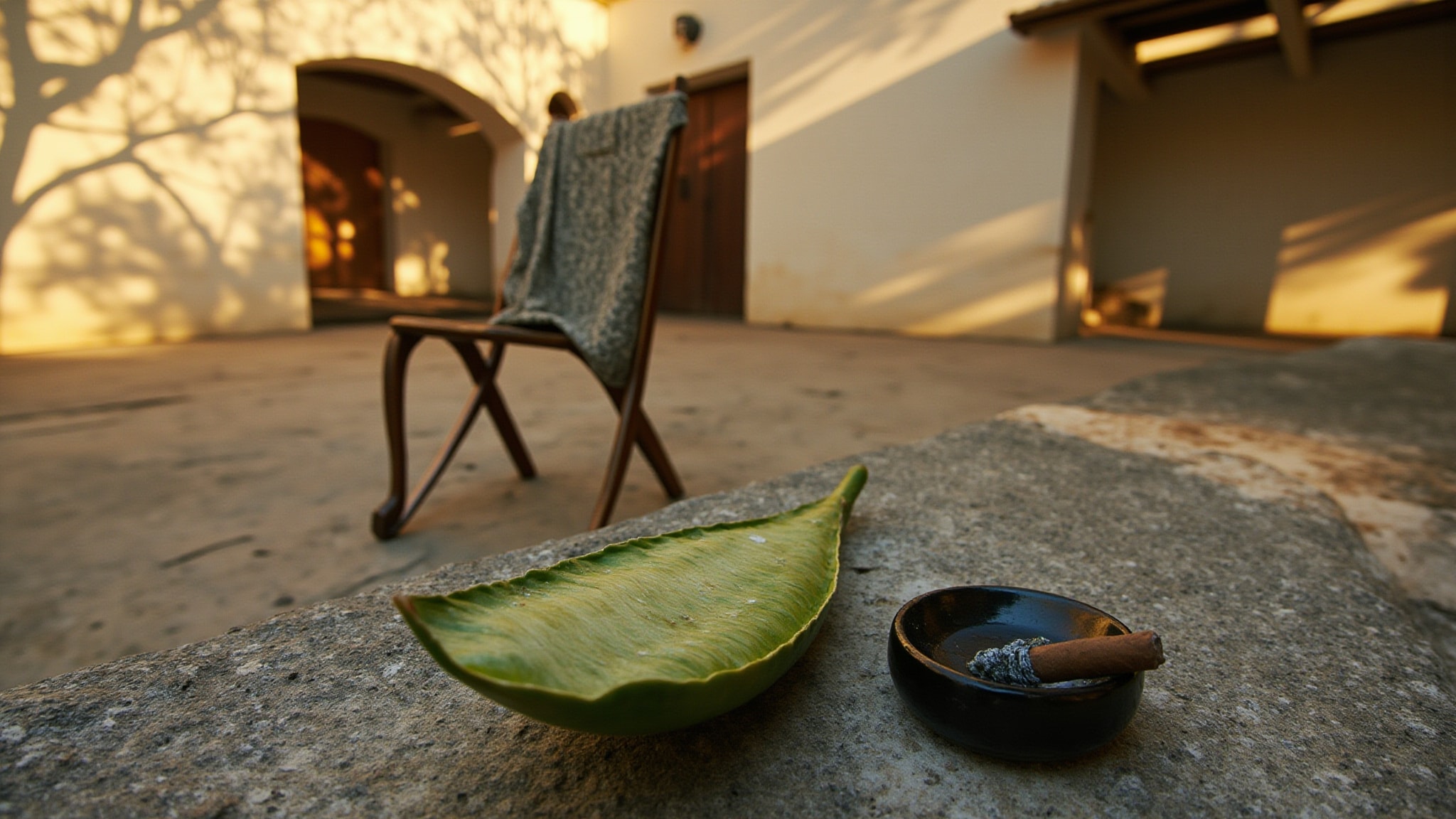
Agua Colonial arrived in 2012 from Sandovalis, marking an entry in a perfumery landscape that often leans on familiar reference points. The house's founder and nose, José Miguel Sandovalis, named it for the specific atmosphere of a place shaped by layered history and distinctive vegetation, a slower tempo than the rush of most modern launches. Where most debut fragrances reach for something crowd-pleasing or safe, Agua Colonial plants itself in committed territory from the first spritz, agave up top, agave in the heart, cedar and tobacco anchoring the base. The name does the talking. Agua Colonial is the water of an older era, reimagined as liquid architecture, part courtyard, part quiet interior, part the shade inside a thick-walled building at noon.
What's unusual is the doubling. Agave sits in both the top and heart positions, which means the green note persists, anchoring the composition's first two phases before cedar and tobacco take over. That structural choice keeps the fragrance from drifting into generic woody territory. The agave acts as connective tissue, the green thread running through the whole wear. Pair it with the tobacco base, which arrives in a drier register, more textured than overtly sweet, and you get something noticeably built rather than assembled from borrowed parts.
The evolution
The opening is the greenest the fragrance will ever be. Agave reads bright and almost watery, slightly sharp in a way that separates it from any citrus you might expect in the top. It doesn't smell like a lime or an aloe, it smells like the raw plant material itself, cooled and slightly wet. The heart phase is where the agave takes on depth. The sharp green softens into something almost resinous. Cedar appears next, not as a pencil-shaving note but as warm bark, and tobacco enters quietly, bringing a quiet weight that settles in alongside the agave rather than replacing it. The drydown is where the composition finds its most grounded state. Tobacco and cedar share the space with a faint whisper of that original agave, the green note retreating but never fully disappearing. As the hours pass, the composition goes quiet, close to the skin, still readable but no longer announcing itself.
Cultural impact
Agua Colonial sits early in Sandovalis's catalog and sets the creative terms for much of what followed. Where many early-career releases soften their edges to court a broader audience, Agua Colonial asks the wearer to meet it on its own terms: agave plant, tobacco leaf, warm woods. The 2012 release positioned the house as committed to specific, ingredient-led composition rather than inherited industry formulas. The doubling of the agave note, in both top and heart, was a structural choice that announced the house's interest in building fragrance from a single, persistent idea rather than a traditional pyramidal arc.
The House
SandovalisSandovalis is an independent perfumery project founded in Mérida, in the Yucatán Peninsula of Mexico. Active since 2012, the house draws its creative vocabulary from the region's colonial past and its distinctive botanical landscape, producing a catalog of around seven artisanal fragrances that read as olfactory chapters of local history. Each composition is developed and bottled in Mexico, with names that reference specific places, institutions, and cultural references tied to the peninsula, from the gardens of Mérida to the Caribbean coast and the fencing clubs of the era.
The Creator
José Miguel SandovalisThe Sandovalis signature leans toward clean, luminous constructions with a distinctly warm climate sensibility. Citrus notes appear with regularity, often lifted rather than sharp, paired with white florals that stay translucent rather than indolic.