The Story
Why it exists.
The beginning
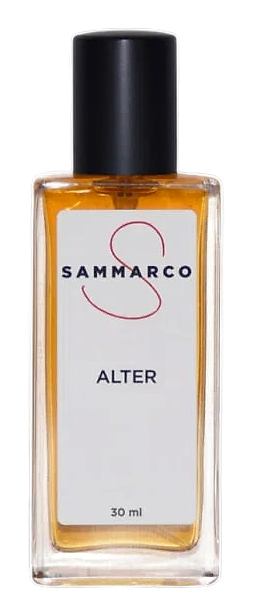
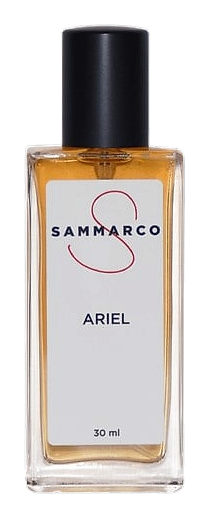
Ariel takes its name from Shakespeare's spirit of air and light, the airy being from The Tempest who exists between worlds. Sammarco's 2015 release translates that duality into scent: freedom and sensuality, untamed and yet deeply romantic. The brief was specific, dedicated to red-haired women, and the result reflects that charged specificity. Not a universal floral. Something more personal, more charged with intent.
What makes Ariel structurally interesting is the tension at its center. Angelica and tuberose rarely share a heart, the former is green, slightly bitter, medicinal almost; the latter is heady, indolic, almost too much. Sammarco doesn't resolve this tension so much as let it breathe. Violet, jasmine, rose, and osmanthus soften the edges without erasing the conflict. Tobacco and davana add their own contradictions, green, herbal, slightly animalic. The ginger in the opening creates an unexpected oily, spiced effect that makes the violet feel anti-classical rather than powdery.
The evolution
The opening hits with a strange, oily intensity, ginger and mandarin creating a spice effect that feels almost unsettling against the violet. This is the phase that divides wearers. Some reach for their wrist immediately. Others lean in. The transition happens gradually as the angelica-tuberose heart takes over, and the tuberose is not subtle here. It swells. The jasmine and rose support without diluting. The tobacco keeps things grounded, slightly green. By the time the sandalwood arrives in the drydown, the violet has receded entirely, what remains is sweet, creamy, and close to the skin. Eight to ten hours on most skin types. The next morning, there's a faint warmth where the sandalwood settled into fabric.
Cultural impact
Ariel represents a quiet shift in niche perfumery toward restraint and refinement. Rather than chasing bold sillage or projecting power, this fragrance quietly stakes its claim through its masterful use of davana, an uncommon note that brings an herbaceous, slightly medicinal quality to the composition. The emphasis on quality orris root, typically one of the most expensive perfume materials, signals a return to classical perfumery values in a modern context. Its reception among enthusiasts suggests an audience increasingly drawn to understated complexity over aromatic spectacle.