
The Story
Why it exists.
The beginning
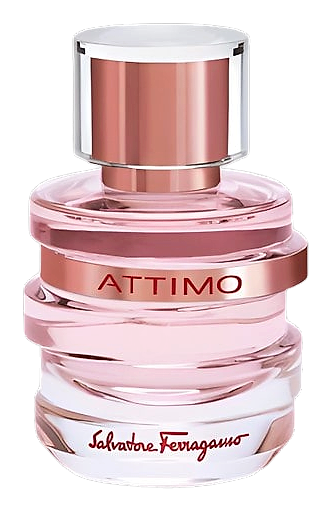
Attimo means moment in Italian, a single, crystalline instant. In 2011, Ferragamo asked perfumers Jean-Pierre Béthouart and Annick Ménardo to build a fragrance around that concept: not a mood or a personality, but the precise feeling of a specific second. The house wanted something refined, something light, something that captured the Italian sense of proportion, that understanding that what you leave out matters as much as what you put in. Béthouart and Ménardo responded with a composition that opens on a single bright note and builds outward from there, a fragrance structured around restraint rather than projection.
The note structure is unusually transparent for a 2011 release. Lotus sits at the opening not for its scent but for its water-lily effect, that cool, slightly aquatic shimmer that makes citrus read as dewy rather than sharp. Kumquat adds a tartness that fades fast, present for the first impression and gone before you notice. The heart is where the craft shows: Bulgarian rose and peony together create a floral that smells like the idea of flowers rather than flowers themselves, romantic without being literal. Frangipani in the base is unusual; it adds a tropical creaminess that most wearers never identify by name but absolutely notice as warmth.
The evolution
The opening hits immediately, lotus and nashi pear create a watery, slightly sweet burst. Then the heart takes over, and that's where Attimo L'Eau Florale becomes itself. Peony leads, backed by Bulgarian rose, and together they smell like the moment after rain stops, when the air is still damp and everything seems brighter than it should be. Jasmine adds a creaminess that softens the edges, while frangipani and musk settle into something warm and intimate. Patchouli is the final whisper, barely detectable, there to ground the florals so they don't disappear entirely. On clothing, it lingers longer than on skin.
Cultural impact
Attimo L'Eau Florale arrived in 2011 as a luminous floral composition from Ferragamo, presenting a delicate and intimate interpretation of the brand's design sensibility. The fragrance offers a refined alternative to louder, more dramatic feminine scents of its era, focusing on subtlety and grace rather than impact. Its subsequent discontinuation suggests the challenges that arise when a nuanced fragrance competes against bolder, more assertive releases in the market.