The Story
Why it exists.
The beginning
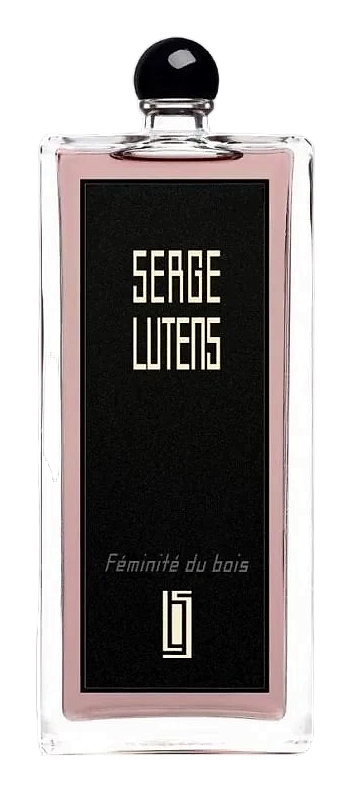
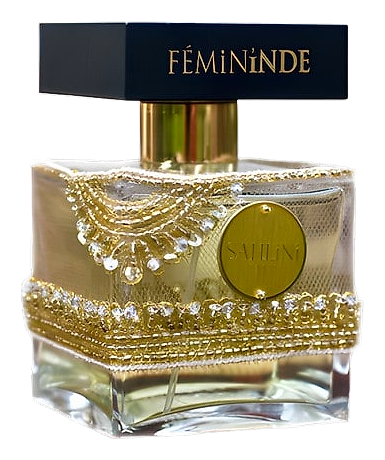
Celine Martin composed Femininde in 2009 for Sahlini Parfums, the independent house founded by someone whose name the brand keeps private. The brief seems to have been deceptively simple: take the warm-spice palette of an oriental and strip out the heat. What Martin delivered instead is something stranger, a fragrance that lives in the tension between aromatic freshness and deep resinous base, never quite settling into either camp.
The pyramid is where it gets interesting. Most spicy-oriental fragrances open sharp and stay warm; Femininde plants vetiver in the heart alongside rose and clove, which means the cool, slightly rough quality arrives earlier than expected. The base stacks fir balsam against Ceylon cinnamon and Egyptian cumin, aromatic resins that smell green and almost medicinal alongside the warmth of sandalwood. It's a structure built on contradiction: the notes should fight, and somehow they don't.
The evolution
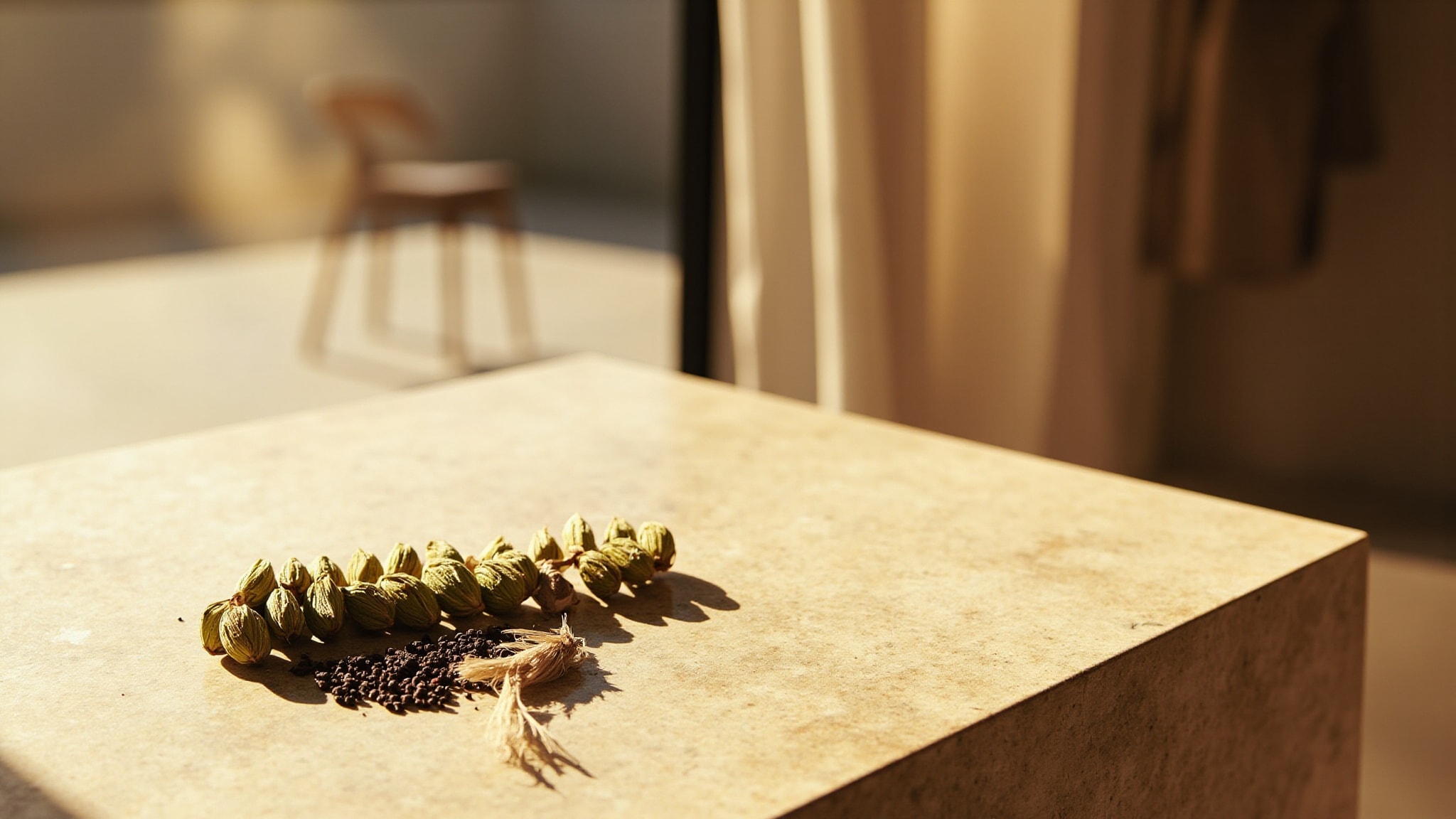
The first ten minutes announce themselves clearly, cardamom and black pepper, Brazilian orange brightening the edges. It reads sharp, almost astringent. Then the rose absolute arrives, and here's the surprise: it doesn't sweeten anything. Instead, it cools the composition, pushing the clove and vetiver forward into a heart that's woody and slightly austere. This middle phase unfolds with remarkable patience, revealing new facets as the minutes pass. The drydown is where the fir balsam and sandalwood finally converge, creating a resinous warmth that stays close to the skin. The entire development follows a unhurried trajectory, each stage bleeding into the next rather than making abrupt transitions. On fabric, the composition leaves its trace, a soft presence that speaks quietly of smoke and sweetness intertwined.
Cultural impact
Femininde occupies an unusual position in the niche fragrance landscape: it was composed by Celine Martin, making it distinct from the other works in the Sahlini Parfums catalog. This makes it an outlier within an already unconventional house. The fragrance itself has remained in production since 2009, a testament to its staying power among collectors who appreciate spicy-oriental structures that refuse to behave predictably.