The Story
Why it exists.
The beginning
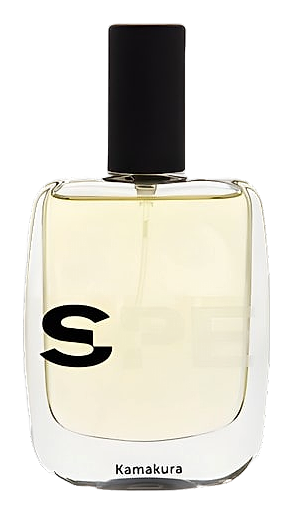
Kamakura takes its name from a Japanese coastal city, a region long associated with Zen temples, bamboo groves, and meditation gardens. S-Perfume released the fragrance as a tribute to that stillness, a woody incense meditation shaped by centuries of ritual quiet. Pascal Gaurin composed Kamakura as a concentration in restraint, allowing a narrow set of materials to carry the entire emotional architecture. The composition leans on incense, maté, sandalwood, cedar, vetiver, neroli, and frankincense, each note pulling toward a shared smoky center rather than fighting for attention. The result is not a loud statement but a held breath, something you wear the way you might carry a single stone in your pocket.
What's quietly unusual here is the absence of a traditional pyramid. There is no bright citrus opening, no fruit jolt, no floral declaration. Gaurin builds the entire composition from a narrow set of materials: incense, maté, sandalwood, cedar, vetiver, neroli, and frankincense. Most of them pull in the same smoky-woody direction, which means the fragrance has no dramatic pivot. It is a slow gradient, one shade deepening into another. That restraint is the composition. The maté adds a dry, slightly bitter herbal quality that keeps the incense from veering churchy.
The evolution
The first twenty minutes are the most conflicted. Incense leads, sharp and resinous, almost like frankincense tears catching on a flame. The maté underneath is dry, tannic, slightly green, a tea note that adds austerity. Then neroli arrives, and the whole thing lifts, briefly, into something almost Mediterranean, citrus peel over warm wood. The cedar comes in around the forty-minute mark, and from there the fragrance locks into its final form. Sandalwood and vetiver take over, creamy and dry at the same time, carrying that incense smoke downward. Hours four through eight are quiet. The incense fades first, leaving the composition thinner, more transparent, more dependent on the wood notes for body. What remains is sandalwood, frankincense, and vetiver in a tight, almost powdery close. On fabric the next morning, it is reduced to a thin cedar whisper, still identifiable, still calm.
Cultural impact
Kamakura occupies a specific corner of the woody-incense category, one that leans meditative rather than liturgical. Wearers who gravitate to it tend to describe it as a personal-scent rather than a social one, something worn for oneself rather than projected outward. The fragrance draws from a well-worn tradition of incense-forward compositions, but its restraint sets it apart from more theatrical takes on the genre. Within S-Perfume's own catalog, it stands as a quieter alternative, a piece that rewards close attention rather than crowd appeal.