
The Story
Why it exists.
The beginning
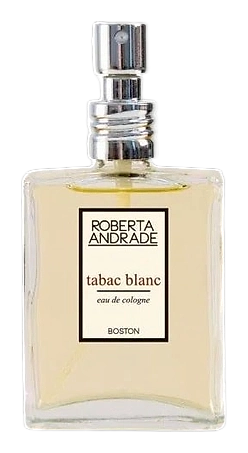
Tabac Blanc arrived in 2010 as part of Roberta Andrade's elemental series, a collection built around the tension between opposing forces. The name itself suggests a pale, almost delicate tobacco, yet the composition diverges sharply from expectations. Andrade chose bitter orange and fig for the opening, two notes that share a Mediterranean lineage but pull in opposite directions: one sharp and solar, the other green and diffuse.
The pairing of bitter orange with fig in the opening reflects a specific olfactory logic: the citrus provides initial impact and brightness while fig adds depth and softness. Neither note dominates outright; instead, they create a tension that resolves into the leather and tobacco heart. The drydown extends this philosophy, combining castoreum's animalic intensity with cocoa and tonka bean's sweetness to create balance through contrast.
The evolution
The fragrance moves from brightness to depth over its wear. Bitter orange opens with immediate impact, a citrus intensity that commands attention. Fig softens this, introducing a milky, slightly sweet dimension that transforms the opening into something more complex than a simple citrus burst. As the top notes fade, leather emerges as the dominant heart note, joined by spicy notes that add warmth and tobacco flower that provides its characteristic dry, slightly floral quality. The drydown brings castoreum, cedarwood, cocoa, musk, and tonka bean together in a layered base that ranges from animalic to sweet, creating a finish that rewards patience.
Cultural impact
Tabac Blanc arrived in 2010 as part of Roberta Andrade’s elemental series, arriving at a moment when niche perfumery was gaining broader acceptance among collectors. Its blend of bitter orange and fig with a leather‑spice heart resonated with a generation seeking bold, unapologetic statements, influencing subsequent releases that embraced animalic depth without sacrificing citrus brightness. The scent’s modest price point and artistic packaging helped democratize niche concepts, encouraging smaller houses to experiment with contrasting accords.