Character
The Story of Exotic Spices
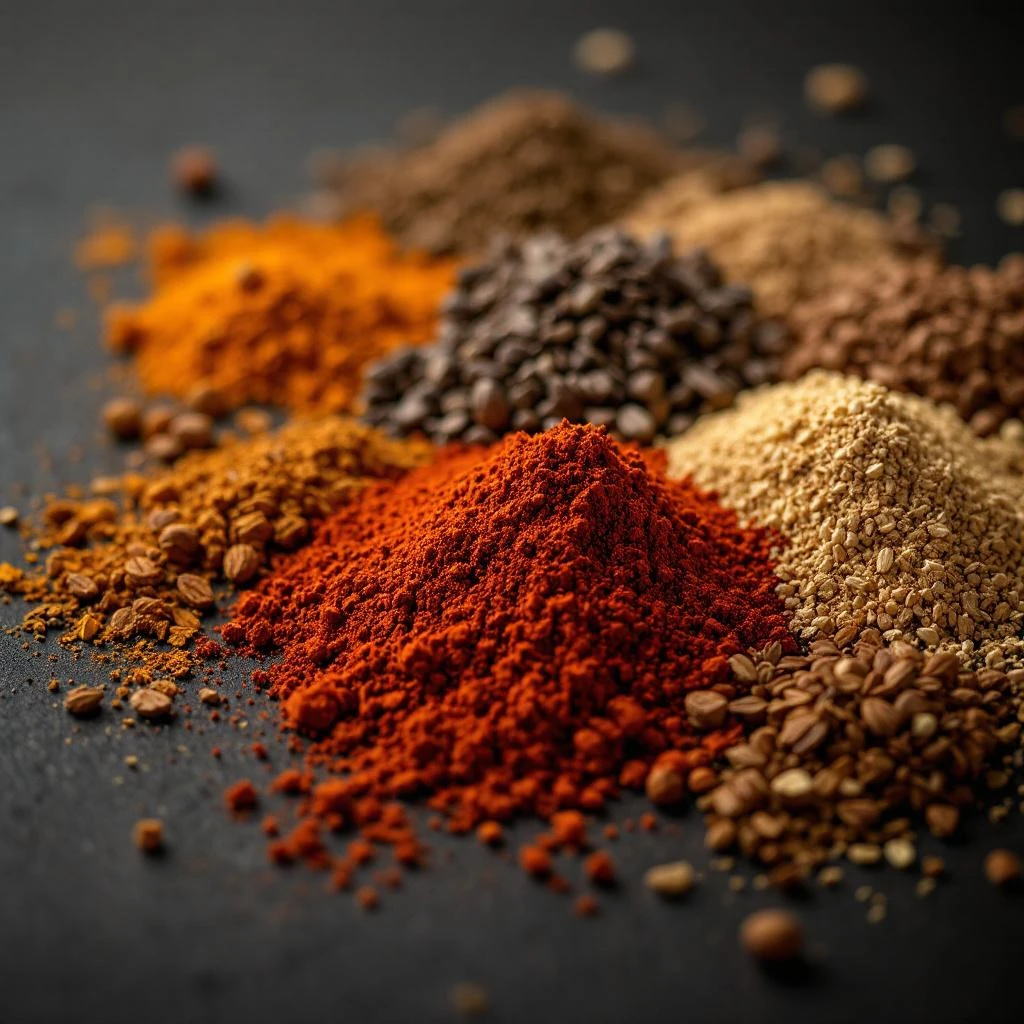
Exotic spices bring heat, depth and sensuality to fragrances. From warm cardamom to smoky clove, these aromatic gems have shaped perfumery since ancient trade routes connected civilizations.
Heritage
The spice trade shaped global perfumery for millennia. Ancient Mesopotamians and Egyptians traded aromatic resins along established routes before 3000 BC. Arab physicians in the 12th century refined distillation, making it possible to extract pure aromatic compounds from spices for the first time. The demand for exotic spices drove maritime exploration and established trade networks that still supply fragrance houses today. Civilizations prized spices for their preservative and medicinal properties alongside their scent. This heritage lives on in oriental fragrances andchypre compositions that define luxury perfumery.
At a Glance
4
Feature this note
India
Primary source region
Ingredient Details
Steam distillation, solvent extraction
Seeds, bark, rhizomes, flower stigmas
Did You Know
"Saffron remains the world's most expensive spice by weight, requiring roughly 170,000 hand-picked crocus flowers to yield one kilogram."
Pyramid Presence