The Story
Why it exists.
The beginning
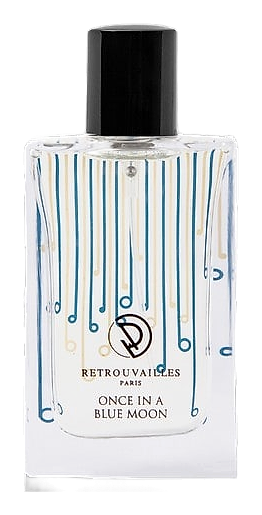
Retrouvailles means reunion, and once-in-a-blue-moon carries the same quiet promise: a moment that doesn't come around often, so you notice it when it does. The composition leans neither fully woody nor fully floral. Instead, it occupies a space where the scent of skin, the cool of paper, and the hush of powder all sit at the same table. There's an intentional stillness to the way the notes are arranged, each one given room to breathe without crowding the next. The composition trusts that the wearer doesn't need spectacle, just specificity. It is the kind of fragrance you put on when you want to feel like yourself, only more precise.
What makes Once in a Blue Moon structurally interesting is the arrangement of its notes. Sandalwood and cedar land at the top, which means the opening reads grounded and architectural from the very first spray. There's no bright citrus to soften the entry, no sharp spice to cut through the wood. Just a clean, almost austere line drawn across the skin. The heart then introduces papyrus alongside violet's powdery sweetness, a pairing that trades sweetness for something cooler and more mineral.
The evolution
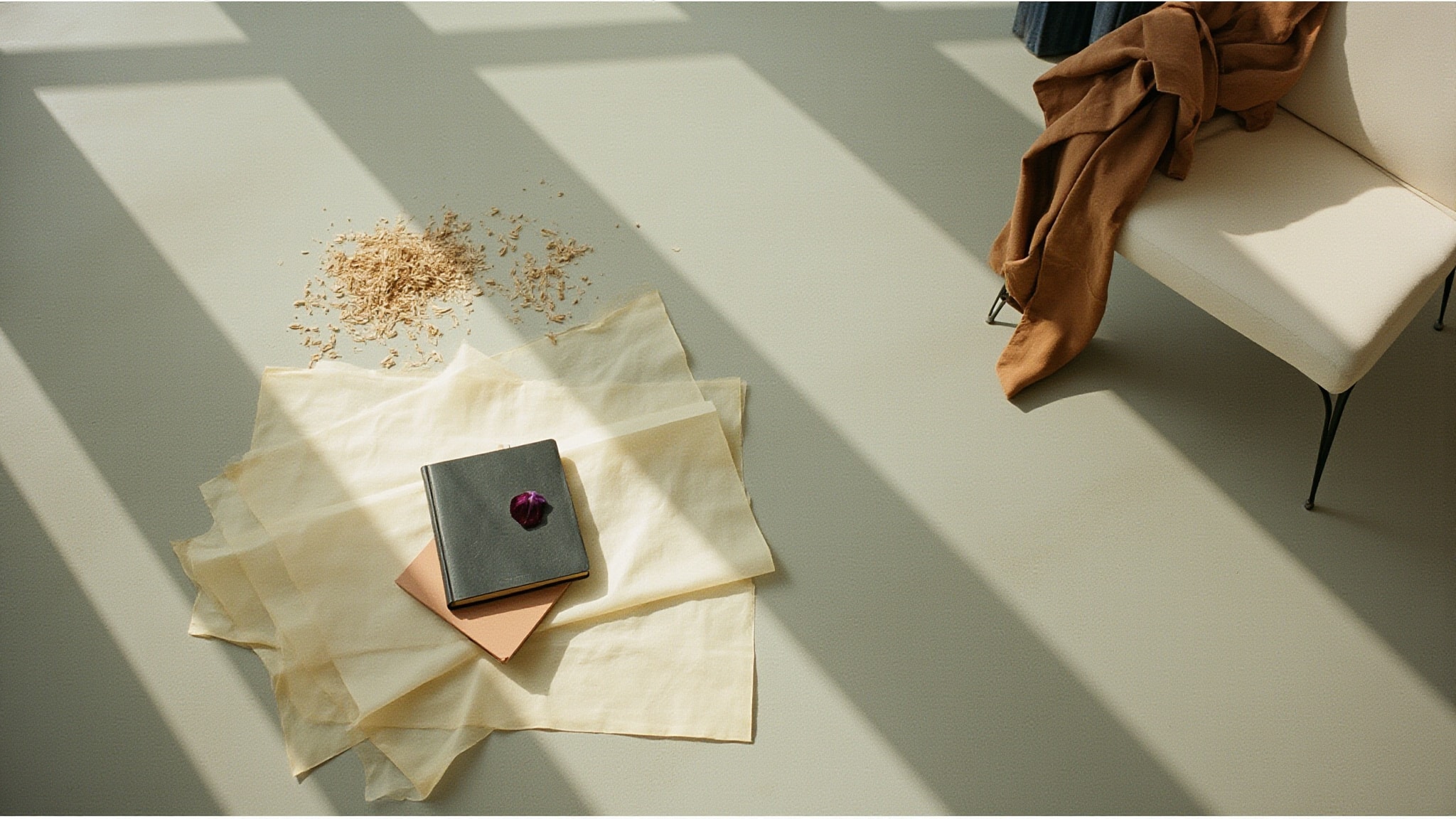
The opening belongs to sandalwood and cedar, but not the creamy, dessert-shop sandalwood of recent years. This one arrives dry, almost architectural, like a floor plan drawn in wood grain. The cedar adds a sharpness, pencil shavings, library stacks, the kind of scent that makes you want to sit up straighter. As the top notes thin, papyrus steps forward, cool and papery, with a texture that reads closer to rice paper than tree bark. Violet blooms beside it, not the candied sweetness of cheaper compositions but the dustier, more root-like version, think orris's older sister. The cardamom threads through without shouting, a warm pepper note that anchors the composition in something edible without ever becoming food. As the hours pass, the leather arrives, and it is not the saddle-soap leather of masculine flankers. It is the soft, suede side, a hand that has been held.
Cultural impact
Once in a Blue Moon reads as a quiet thesis statement. The composition stays inside the scent itself, trusting the woody-powdery corridor to do the talking. It attracts wearers who already speak that language: people for whom orris, papyrus, and suede leather are reference points, not new vocabulary. It is not a fragrance that announces a brand to a room, but it rewards the wearer who already knows what they are reaching for. The whole thing operates in a register that asks for patience, for leaning in rather than stepping back, and for a certain comfort with restraint as a form of expression.