The Story
Why it exists.
The beginning
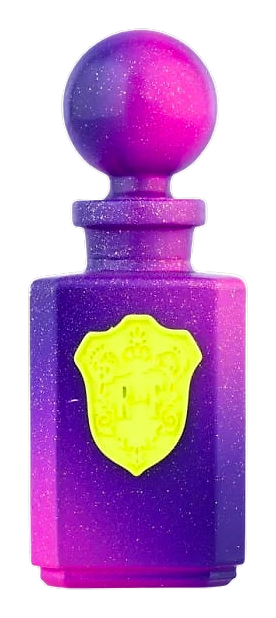
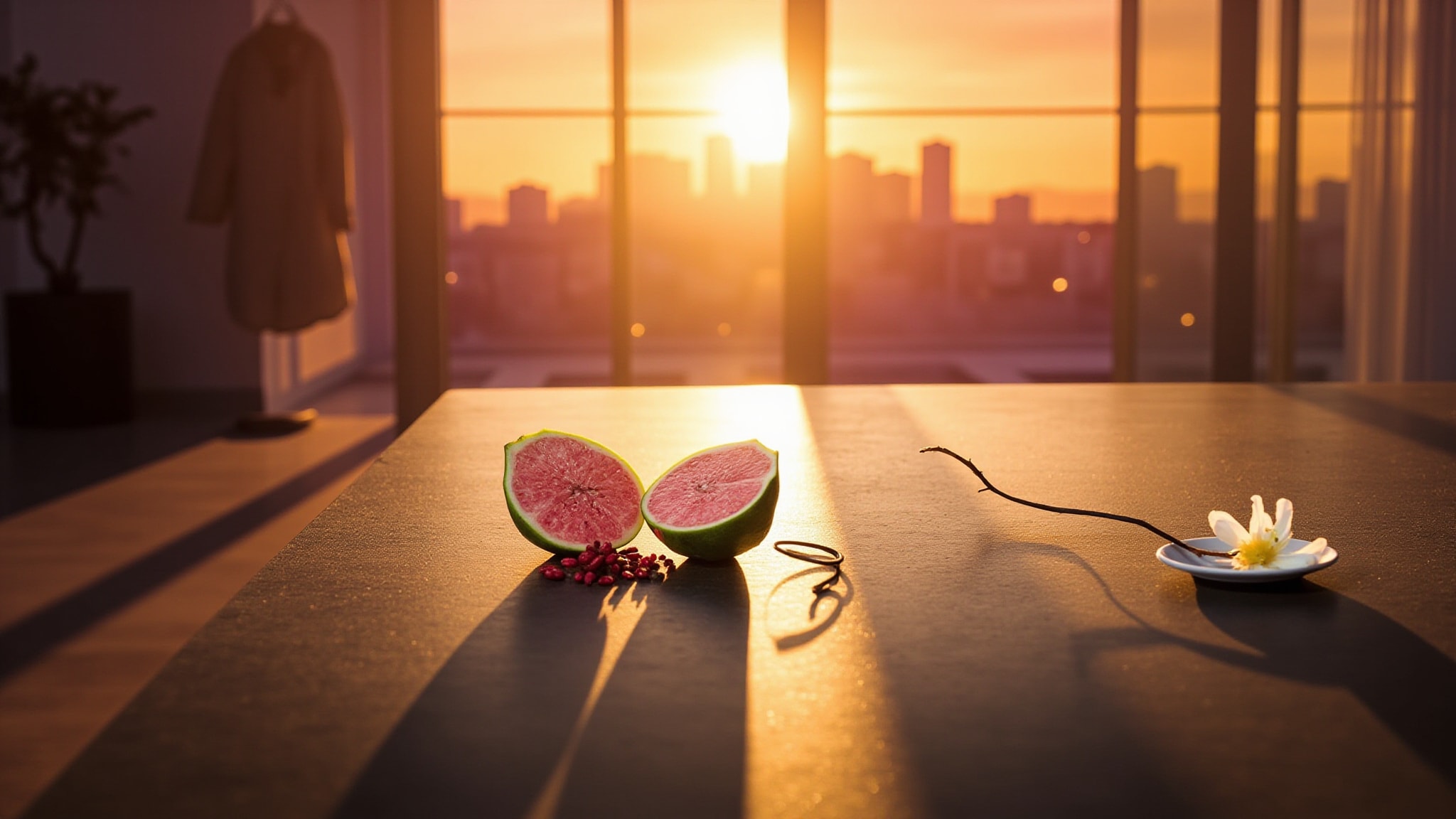
Birds in Paradise arrived in 2018, perfumer Pierre Negrin building it around a tension the name itself suggests. The juice conjures a tropical Eden, the kind you might find painted on a greenhouse ceiling or embroidered on a Victorian screen, yet it doesn't simply argue with that fantasy. It complicates it. Guava's sticky pulp collides with hyraceum's dirty warmth, bridged by the electric buzz of Sichuan pepper and benzoin's smoky resin so the fruit never reads as simple or one-note. Cedar and jasmine grandiflorum anchor the base, keeping the whole composition from dissolving into sheer novelty. There's something lush on the surface here, something animal lurking underneath, and the fragrance seems entirely comfortable letting both sides fight it out across the wear.
What makes the composition unusual is the collision between guava's sticky sweetness and the dirty warmth of hyraceum, a material with roots stretching back through older traditions of perfumery. Sichuan pepper's electric buzz slices between them, while benzoin's smoky resin wraps the fruit in something darker and more resinous so the guava never reads as simple. Cedar and jasmine grandiflorum anchor the bottom half, keeping the whole thing from dissolving into sheer novelty.
The evolution
The opening is loud, almost aggressive in its sweetness: guava pulp and tuberose cream, spiked with ginger and the numbing tingle of Sichuan pepper. It smells like something you'd eat at a market stall in heat, sweet and sharp at once. Cardamom deepens the warmth, rounding the fruit without dulling it. As the hours pass, the white florals begin to fade and hyraceum surfaces, the animalic note settling into the composition like a slow exhalation rather than a sudden arrival. There's an undertone of skin-warmth that gradually makes itself known, the fruit softening into something more ambiguous and less immediately tropical. Eventually cedar and benzoin replace most of the top, the drydown staying close to the skin, resinous and soft, with a faint musky sweetness that lingers into the next morning on fabric.
Cultural impact
Birds in Paradise arrived in 2018 as one of the more unusual entries in the Régime des Fleurs catalog, a composition that paired tropical fruit with hyraceum at a moment when animalic notes were beginning to surface more frequently in niche perfumery. Its combination of guava, tuberose, and hyraceum felt genuinely strange at a time when most fruity fragrances kept their feet firmly planted in the safe and the synthetic. The fragrance has since been discontinued, which has only added to the interest surrounding it, as collectors and curious wearers seek out bottles on the secondary market.