The Story
Why it exists.
The beginning
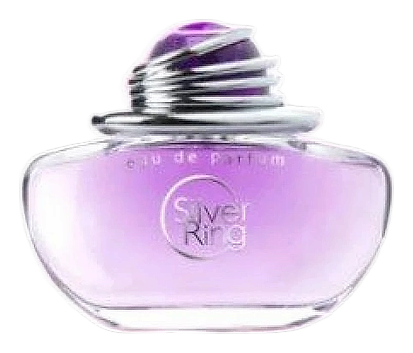
Red Pearl, founded in Oregon in 2002, curates niche Parisian perfumes and ethically sourced West African ingredients for collectors who value provenance over volume. Silver Ring was born from Red Pearl's jewelry collection, designed to translate the cool shimmer of a polished silver band into liquid form. Conceived in 1999 and launched alongside the jewelry line, the perfume was Red Pearl's first fragrance and remains a signature expression of the brand's commitment to craftsmanship and intentional composition.
Red Pearl's philosophy centers on intentional creation without chasing trends. Silver Ring reflects that sensibility through its structure: citrus that feels refined, florals that feel grounded rather than fleeting, and a base that feels earned rather than tacked on. The combination of grapefruit and green apple in the opening with magnolia and peach in the heart creates a balance between freshness and warmth that aligns with the brand's measured ethos. Tonka bean and vanilla in the drydown complete the composition in a way that feels intentional rather than decorative.
The evolution
The concept from 1999 translates into a three-act fragrance structure. The opening launches with grapefruit, mandarin, and green apple, delivering a crisp and bright citrus experience that sets a confident tone. Magnolia and peach settle into the heart, softening the composition and introducing a gentle warmth alongside a rose note that adds romantic depth. Musk, rosewood, tonka bean, and vanilla develop in the drydown, taking the wearer from bright and luminous into warm and intimate territory. The three-act arc mirrors the brand's measured approach to curation: each stage purposeful, each transition earned.
Cultural impact
Since its 1999 debut, Silver Ring has been praised for bridging bright French fruit sensibilities with warm African woods, earning a place in niche forums as a versatile day‑to‑night option. Wearers often note its ability to attract compliments in both casual and formal settings, and its similarity to classic oriental‑sweet scents has sparked discussions about modern reinterpretations of vintage profiles.