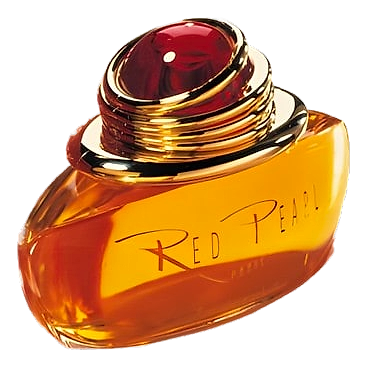
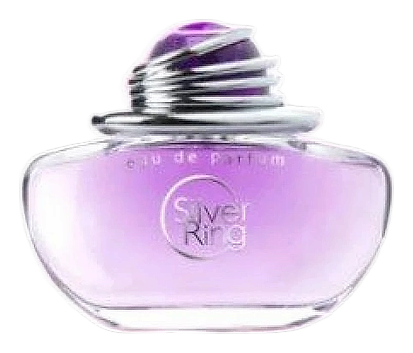



The Heritage
The Story of Red Pearl
Red Pearl is a niche importer that bridges the perfume houses of Paris with the aromatic traditions of West Africa. Based in Oregon since 2002, the company curates a rotating portfolio of Eau de Parfum, niche cosmetics and occasional jewelry pieces. Its catalogue includes the 1999 fragrance Red Pearl, the floral‑oriental Paris Bleu Red Pearl, and a line of accessories such as Silver Ring and Earrings. The brand positions itself as a conduit for cross‑cultural scent stories, offering collectors a measured selection that emphasizes provenance over volume.
Heritage
Red Pearl Inc. opened its doors in 2002 in the Pacific Northwest, founded by a small group of enthusiasts who saw a gap between European perfume craftsmanship and the American market. The founders chose Oregon for its logistical links to West Coast ports and its reputation for artisanal enterprises. Early on the company secured the exclusive United States representation for SPPC, a Paris‑based consortium that supplies boutique fragrance houses and specialty beauty brands. This partnership gave Red Pearl direct access to limited‑edition releases from Parisian ateliers, while also allowing it to import raw materials and finished products sourced from West African cooperatives. Over the first decade the firm expanded its catalogue beyond perfume, adding a modest jewelry line that references the same aesthetic cues – pearls, rings and subtle metallic accents – that appear on its fragrance bottles. By 2015 the brand had established a modest but loyal following among collectors who value the narrative behind each scent. In recent years Red Pearl has emphasized sustainable logistics, opting for sea freight where possible and partnering with third‑party auditors to verify the ethical sourcing of West African ingredients such as shea butter and frankincense. The company’s evolution reflects a steady, measured growth model: each new launch is preceded by a period of sourcing research, small‑batch testing and a limited release that gauges collector response before wider distribution. This approach has kept the brand’s inventory lean, its reputation focused on authenticity, and its operations aligned with the values of the niche fragrance community.
Craftsmanship
The production process begins with a sourcing audit that traces each raw material back to its origin. For Paris‑derived ingredients, Red Pearl works with established suppliers who provide laboratory‑tested extracts of jasmine, rose and citrus oils. West African components, such as shea butter, baobab seed oil and frankincense, are sourced through cooperatives that follow fair‑trade guidelines. Once the raw materials arrive in Portland’s port, they are inspected by an in‑house quality team that checks for purity, concentration and compliance with International Fragrance Association (IFRA) standards. The company then partners with boutique laboratories in Paris to blend the ingredients according to a perfumer’s brief. These labs employ traditional copper stills for distillation, a method that preserves the nuanced character of delicate flower absolutes. After blending, the fragrance is aged in stainless‑steel tanks for a period that ranges from two weeks to three months, depending on the composition’s complexity. Red Pearl monitors the maturation process with gas chromatography to ensure the balance of top, heart and base notes remains true to the perfumer’s intent. Once the final formula is approved, the perfume is transferred to glass bottles that are hand‑filled in a controlled environment to prevent contamination. The brand’s bottling line uses reclaimed glass sourced from regional manufacturers, and each bottle is sealed with a cork or screw cap that bears the Red Pearl emblem. Quality control includes a final sensory evaluation by a panel of trained noses, who verify that the scent matches the original brief before the product is shipped to retailers. Throughout the supply chain, Red Pearl maintains detailed batch records, enabling traceability from field to final sale. This meticulous approach reflects the brand’s commitment to delivering a fragrance that is both authentic to its cultural roots and consistent in performance.
Design Language
Visually, Red Pearl leans toward a minimal yet refined aesthetic that echoes the brand’s name. Bottles typically feature a slender, clear glass silhouette that showcases the liquid’s hue, whether a soft amber or a deep ruby. The label design employs a simple serif typeface, with the brand name embossed in a pearlescent foil that catches the light. Caps are often finished in brushed metal or matte black, providing a tactile contrast to the smooth glass. The packaging box follows the same restrained palette: a matte white exterior with a subtle pearl‑infused texture, and an interior liner of recycled kraft paper that adds an organic touch. For the jewelry extensions, the design language carries over the pearl motif, using polished silver settings that hold genuine freshwater pearls or semi‑precious stones. Marketing imagery favors natural backdrops – a quiet Oregon coastline, a sun‑drenched West African market, or a Parisian atelier – rather than glossy studio shots. This choice reinforces the brand’s narrative of place‑based storytelling. Even the digital presence mirrors the physical aesthetic: a clean website layout with ample white space, high‑resolution product photography, and concise copy that lets the scent’s description speak for itself. The overall visual identity aims to convey quiet confidence, inviting collectors to explore the scent without the distraction of overt branding.
Philosophy
Red Pearl’s creative vision rests on the idea that scent can act as a cultural bridge. The company states that it seeks to honor the origins of each ingredient, whether a Parisian accord or a West African resin, by preserving the traditional methods that first brought them to market. Its values include transparency, ethical sourcing and a respect for the artisans who craft the raw materials. In practice, the brand works with perfumers who are invited to create compositions that reference both the bright, fruity top notes typical of French niche houses and the deeper, earthy base notes that characterize West African olfactory traditions. Red Pearl avoids mass‑market trends, instead allowing each fragrance to develop its own personality over time. The brand’s editorial tone, as reflected in its product notes, often highlights the story behind a scent – a nod to a particular market, a seasonal harvest, or a historic perfume house – rather than relying on generic adjectives. By positioning itself as a curator rather than a creator, Red Pearl encourages collectors to explore the lineage of each bottle, fostering a deeper appreciation for the craft of perfumery and the people who sustain it.
Key Milestones
1999
Red Pearl fragrance launched, later incorporated into the brand’s portfolio.
2002
Red Pearl Inc. founded in Oregon, USA, focusing on importing niche perfumes from Paris and West Africa.
2005
Secured exclusive U.S. representation for SPPC, expanding access to boutique French perfume houses.
2010
Introduced the Silver Ring accessory line, extending the brand’s visual motif into jewelry.
2015
Added a curated selection of West African beauty products, emphasizing ethical sourcing.
2020
Implemented sustainable packaging using reclaimed glass and recycled paper for all new releases.
At a Glance
Brand profile snapshot
Origin
United States
Founded
2002
Heritage
24
Years active
Collection
1
Fragrances released
Avg Rating
4.7
Community sentiment


