The Story
Why it exists.
The beginning
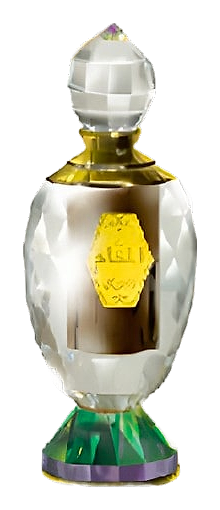
Al Maqam by Rasasi draws from a perfumed lineage that stretches back through the trading routes of the Arabian Peninsula, where agarwood has been prized for centuries as one of the most precious materials in the art of fragrance. The cultural weight oud carries as a symbol of refinement, hospitality, and quiet authority gives this category its gravity, and Al Maqam sits firmly within that tradition. On first encounter, the agarwood announces itself with a dense, smoky richness that feels deliberate rather than accidental, the kind of bold resinous presence that defines serious Arabian perfumery. The florals weave through that smoky foundation almost immediately, offering a soft counterpoint that keeps the composition from reading as one-dimensional.
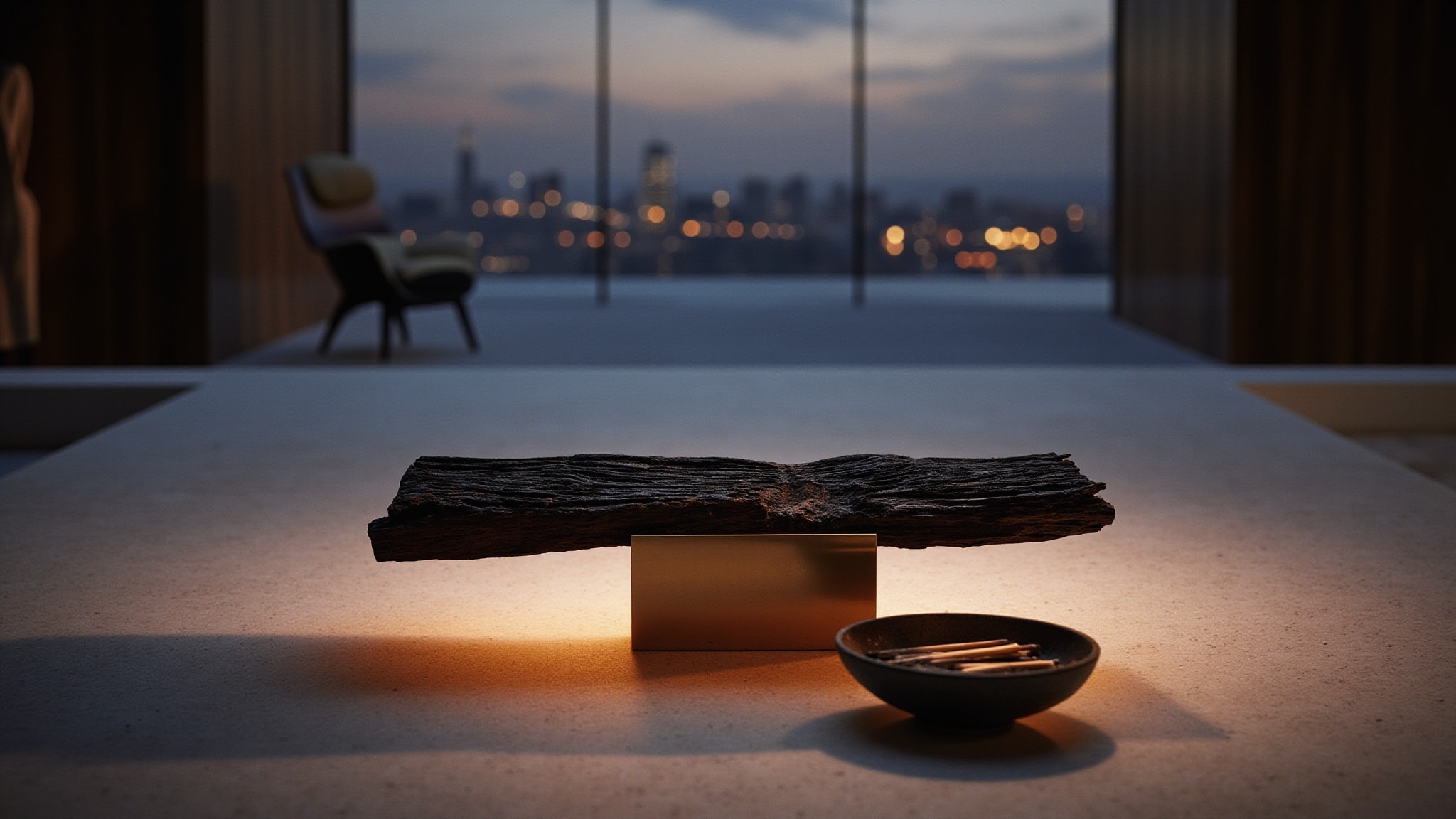
The agarwood at the center of this composition forms through a slow natural process within Aquilaria trees, producing a dark, aromatic resin that has become one of the most prized materials in perfumery. This resinous heartwood, once harvested and distilled, yields the thick, potent oil that serves as the backbone of countless Arabian blends. Generations of trade moved this material across regions, and perfumers across the Gulf built their craft around transforming it into compositions suited to local tastes, blending the raw oud with regional florals, musks, and spices.
The evolution
The composition moves through three clear stages that reward patient attention. In the opening, the agarwood arrives immediately, dense and smoky, with the floral accord rising alongside it like a quiet counterpoint rather than a separate top note. As minutes pass, the florals gain confidence, presenting a soft, slightly sweet bouquet that rounds out the harsher resinous facets of the oud without ever masking them. By the heart stage, the fragrance settles into a balanced, almost meditative space where wood and flower share the stage equally, each lending texture to the other. The interplay here feels intentional rather than accidental, a deliberate layering that lets neither element dominate completely. As hours pass, the agarwood deepens into something richer and more resonant, taking on darker, woodier tones that feel grounded and substantial.
Cultural impact
Oud carries cultural weight that runs deeper than fashion cycles, holding a place in Arabian fragrance tradition that has endured for generations. Wearing an oud-based composition like Al Maqam connects the wearer to a long lineage of perfumery where agarwood is treated as a serious, central ingredient rather than a passing trend note. The fragrance presents itself as a mukhallat-style blend, layering agarwood with florals, amber, sandalwood, vanilla, and musk in a way that feels rooted in established practice. The agarwood reads smoky and dense from the opening, carrying the kind of resinous gravity that defines the category.