The Story
Why it exists.
The beginning
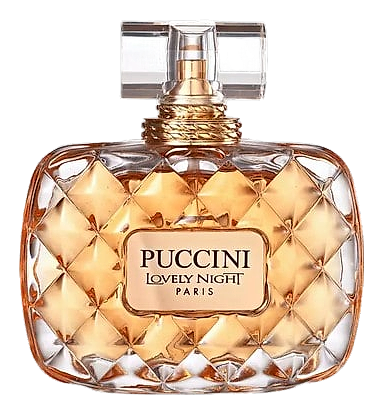
Puccini Lovely Night arrived in 2017 as part of a significant expansion of the Puccini collection. That year brought multiple flankers and variations, including Puccini Men, Puccini Le Rouge, and the Lovely Night series, a coordinated effort to build cohesive scent families around distinct moods. The name says it plainly: this is the fragrance for when the day unclenches, when the city softens, when you want something warm but not loud. It was designed for the transition, not the entrance. The French boutique house, founded in 1996, has always favored artistic naming over generic descriptors. Lovely Night doesn't promise notes or emotions, it promises a time of day. That specificity is the point. This isn't a fragrance you wear to work or to brunch. It's for the hours that belong only to you, when the perfume becomes part of the ritual of unwinding.
What makes Lovely Night interesting is the way it holds two impulses in tension: the bright, tart opening that announces fruitiness without apology, and the powdery-gourmand base that wants to be close, to be worn, not projected. Bergamot and blackcurrant hit first with a tartness that feels almost citrus-adjacent. Then pineapple arrives, tropical and slightly honeyed. But underneath all that brightness, caramel is already waiting. The heart doesn't just add sweetness; it softens the edges, transforms the opening's energy into something that reads as warmth rather than volume. Iris is the quiet architect here. It provides the powdery lift that prevents the composition from becoming a sugar-bomb.
The evolution
The opening hits quick and bright, pineapple first, then blackcurrant pressing in from the sides, bergamot lifting the whole thing with a citrus sharpness that lasts maybe twenty minutes. You smell it, then you smell it less, and for a moment it seems like it might disappear entirely. It doesn't. The caramel catches you mid-thought. It arrives warm and buttery, not thin or synthetic, and suddenly the sweetness isn't a quality anymore, it's a temperature. This is when Lovely Night becomes itself. The transition to drydown takes about an hour on most skin. The fruit softens. The jasmine and iris come forward, and the powdery quality that's been lurking underneath finally surfaces, soft, talc-adjacent, like cashmere against bare skin. Vanilla and patchouli anchor the base. The amberwood keeps it from going flat. This is the longest phase, lasting three to four hours on average, and it's the reason people reach for this fragrance twice. The drydown isn't dramatic. It's just warm. Close. The kind of scent you catch on your own wrist when you're falling asleep.
Cultural impact
Puccini Lovely Night arrived in 2017 during a resurgence of fruity-gourmand fragrances in the mainstream market. The perfume reflects how modern scent design balances approachability with sophistication, appealing to fragrance wearers who want sweetness without sacrificing elegance. Its positioning within the Puccini Paris lineup demonstrates how boutique houses target specific olfactory niches rather than competing directly with designer giants. The brand's coordinated 2017 launch strategy, releasing multiple flankers simultaneously, mirrors the approach used by larger houses to build a fragrance wardrobe. This practice helps smaller houses create perceived value and give customers options across different occasions and seasons.