
The Story
Why it exists.
The beginning
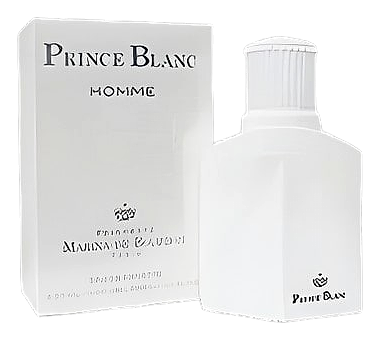
Prince Blanc opens with grapefruit and bergamot, bright citrus notes that introduce the scent without announcing it. The grapefruit brings a tart, almost tartaric quality that keeps things honest, while the bergamot adds a subtle floral undertone that softens the edges without losing focus. Mint and watermelon create a more interesting middle ground, the mint offering a cool herbal presence that elevates the fruit away from the predictable and the sweet, while the watermelon adds a watery sweetness that stays close and never becomes cloying. Cedar and musk form the foundation, the cedar dry and architectural, the musk a quiet presence that never overwhelms but adds warmth and staying power to the base.
The mint-watermelon pairing gives Prince Blanc its character. Mint brings a crisp, herbal note that prevents the watermelon from reading as casual or sweet. The combination creates a green freshness that feels intentional rather than accidental, a garden quality that avoids the obvious. The base reveals the house's approach. Palisander rosewood is softer than the name implies, with a smoothness that distinguishes it from sharper masculine woods.
The evolution
The opening is immediate. Bergamot and grapefruit announce themselves clearly, then begin to soften within the first minutes. The citrus doesn't insist on staying; it serves as an introduction rather than a foundation. What takes over is the mint, cooler and more insistent, with the watermelon arriving just behind it. The mid-section maintains this conversation between green freshness and soft fruit, neither element dominating. The drydown introduces cedar first, dry and clean, followed by musk settling close to the skin. The Palisander rosewood emerges gradually, bringing a smoother quality than typical masculine woods, with a tropical character that prevents the base from reading as conventional. By the final stages, the fragrance becomes intimate and quiet, barely projecting but still present, leaving a residue of cedar and something faintly sweet on the skin.
Cultural impact
Prince Blanc occupies a distinctive position in masculine fragrance, avoiding the aggressively aquatic and the traditionally fougère. It represents a type of confident freshness that registers as effortless rather than constructed. The fragrance appeals to wearers who want to smell clean without announcing that they have made a choice about their scent. The composition works across different contexts, adapting to its wearer rather than demanding attention from the room. This adaptability is perhaps its most practical quality, a fragrance that functions rather than performs.