The Story
Why it exists.
The beginning
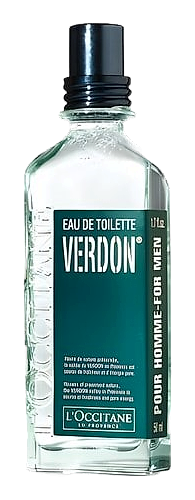
The Verdon Gorge is Europe's second largest canyon, carved by the Verdon River between walls of limestone. L'Occitane named this 2010 fragrance after that landscape. Bergamot and lemon evoke sunlit cliffs. Peppermint channels the cold river water cutting through them. Cedar anchors everything to the stone. This is the scent of mountain water before the crowds arrive.
Three materials. Nothing else needed. Mint, citrus, cedar, the Verdon trio arrives with botanical directness, each note clear and unadorned. The mint doesn't pretend to be anything other than mint: cool, immediate, almost medicinal in its cleanliness. The citrus cuts bright without complexity. Cedar arrives late and stays quiet. What makes this interesting isn't a hidden technique. It's the restraint. Verdon doesn't reach for the dramatic gesture. It simply translates a place.
The evolution
The opening announces itself immediately. Bergamot and lemon arrive together, tart and sharp, the scent of water hitting warm stone. Peppermint builds beneath, a cold rush that takes over within the first thirty minutes. The citrus fades. Lavender and cedar establish the heart. This is where Verdon becomes herbal and clean rather than warm. The drydown arrives quietly. Cedar eventually emerges as the dominant note, though it stays close to the skin. Dry. Intimate. By late afternoon, Verdon has become a skin-level memory. Performance varies. Most find it holds for a couple hours before fading to a whisper. On most skin, Verdon lasts through the afternoon before settling into a memory that disappears by evening.
Cultural impact
L'Occitane's first men's aquatic fragrance, released in 2010, drew inspiration from the Verdon Gorge, Europe's second largest canyon, carved by the Verdon River through limestone cliffs. The collection emphasized environmental protection, with recyclable packaging. Mint and citrus anchored the composition around the rushing canyon waters.