The Story
Why it exists.
The beginning
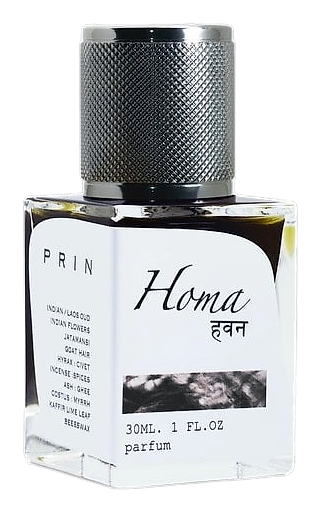
Homa (हवन) is Sanskrit for a sacred fire ritual in Hinduism, a ceremony where fire is kindled and offerings are placed into the flames while mantras are recited. It's a tradition thousands of years old, rooted in the belief that fire carries prayers between humans and the divine. Prin Lomros built his 2020 fragrance around this ceremony, translating smoke, heat, and intention into scent. The composition doesn't smell like a recreation of incense or a spiritual space. It smells like what happens inside the ritual itself, the way heat transforms matter, the moment when something given becomes something received.
The material palette is where Homa becomes unusual. Hyraceum (the fossilized urine of the rock hyrax) sits alongside goat hair tincture, civet, and costus, materials that most perfumers avoid entirely because they're difficult, divisive, and demand confident handling. These aren't decorative choices. They're structural. The hyraceum anchors the base with a mammalian warmth that synthetic musks can't replicate. The civet adds feral depth. Costus brings that slightly animalic, almost barnyard edge that makes the composition feel alive rather than preserved.
The evolution
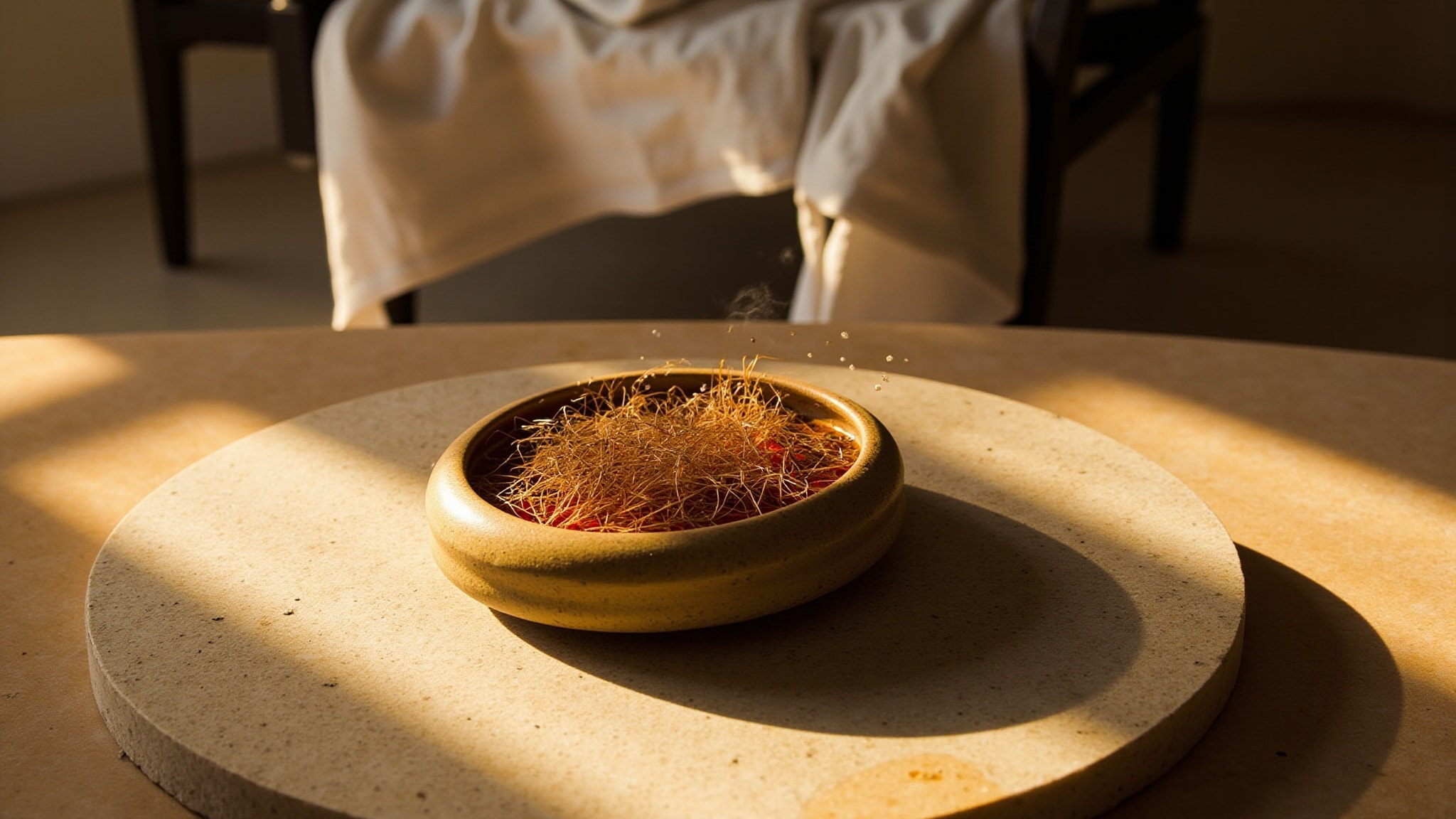
The opening arrives sharp and medicinal. Saffron, turmeric, and black pepper hit first, a bright, almost aggressive spiciness that announces presence without apology. Galbanum adds a green snap, cutting through the warmth. As the spices begin to settle, the animalics emerge. This is the ceremony's turning point: hyraceum and civet rise from beneath the saffron, warm and intimate, like skin heated by firelight. The jasmine absolute and champaca don't soften the composition so much as complicate it, floral notes that smell wilder than they should, closer to night-blooming things than to florals in a conventional sense. The drydown settles into resinous warmth: myrrh, benzoin, and frankincense form a base that holds. What's left on skin later smells like embers and warm skin, the after of the ceremony, not the fire itself.
Cultural impact
Homa occupies a specific corner of the niche fragrance world, the intersection of animalic intensity and spiritual narrative. It appeals to wearers who want a fragrance that makes a statement without apology, who appreciate materials with genuine history and difficulty. The fragrance occupies its own territory, shaped by craft traditions and a sensibility that prizes restraint alongside intensity. Homa doesn't try to smell like Southeast Asia. Rather, it draws from something deeper and more specific, allowing the complexity of its materials to speak without geographical shorthand.