
The Story
Why it exists.
The beginning
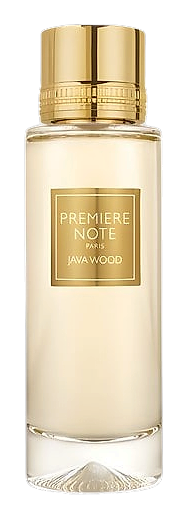
Java Wood combines the smoky depth of vetiver with the clean bite of star anise. Perfumer Mélanie Leroux chose Java vetiver as the anchor, building around it a structure that opens bright with bergamot and Sichuan pepper before settling into tobacco's warmth. The name references the ingredient's geography.
The combination of licorice (Glycyrrhiza glabra) in the base with the rooty vetiver creates a tension between sweetness and earthiness. Star anise carries its distinct anise-forward character, while vetiver grounds the composition in earth, in moisture, in green things growing. Together, these materials create something that feels rooted in a specific place rather than a general idea of 'spicy-woody.'
The evolution
The opening arrives fast. Bergamot zest, Sichuan's tingle, star anise pushing through with that black licorice note. Thirty minutes in, the tobacco emerges, adding depth and warmth, while cumin adds a faint spicy nuance. The violet leaf is subtle, more green suggestion than actual leaf. Then the vetiver takes over. The drydown is where Java Wood earns its name: rooty, smoky, with licorice still present but quieter, like a memory of sweetness. The fragrance develops and evolves over several hours on skin, with the vetiver providing a long-lasting foundation.
Cultural impact
Java Wood arrived as part of the niche perfumery landscape, a period when independent houses explored unconventional note combinations. The fragrance paired Java vetiver with star anise, creating an anise-forward character that brings a distinctive edge to the composition. The choice of vetiver as a grounding element provides depth and smokiness, while star anise adds complexity. This combination reflects the house's interest in exploring geographic olfactive identities through carefully selected materials.