The Story
Why it exists.
The beginning
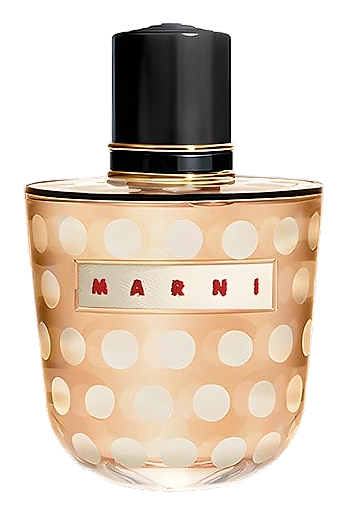
Marni Spice arrived in March 2015 as the house's fourth fragrance, following the debut 2012, Marni Rose, and Marni Metallic. The brief was clear: build on the warm floral template while introducing a sharper, more aromatic register. Givaudan's Daniela Andrier, responsible for every Marni fragrance, understood the assignment differently. Instead of treating spice as an opening chapter, she let it linger alongside the florals, creating something that refused the typical structure of top-heart-base as separate acts.
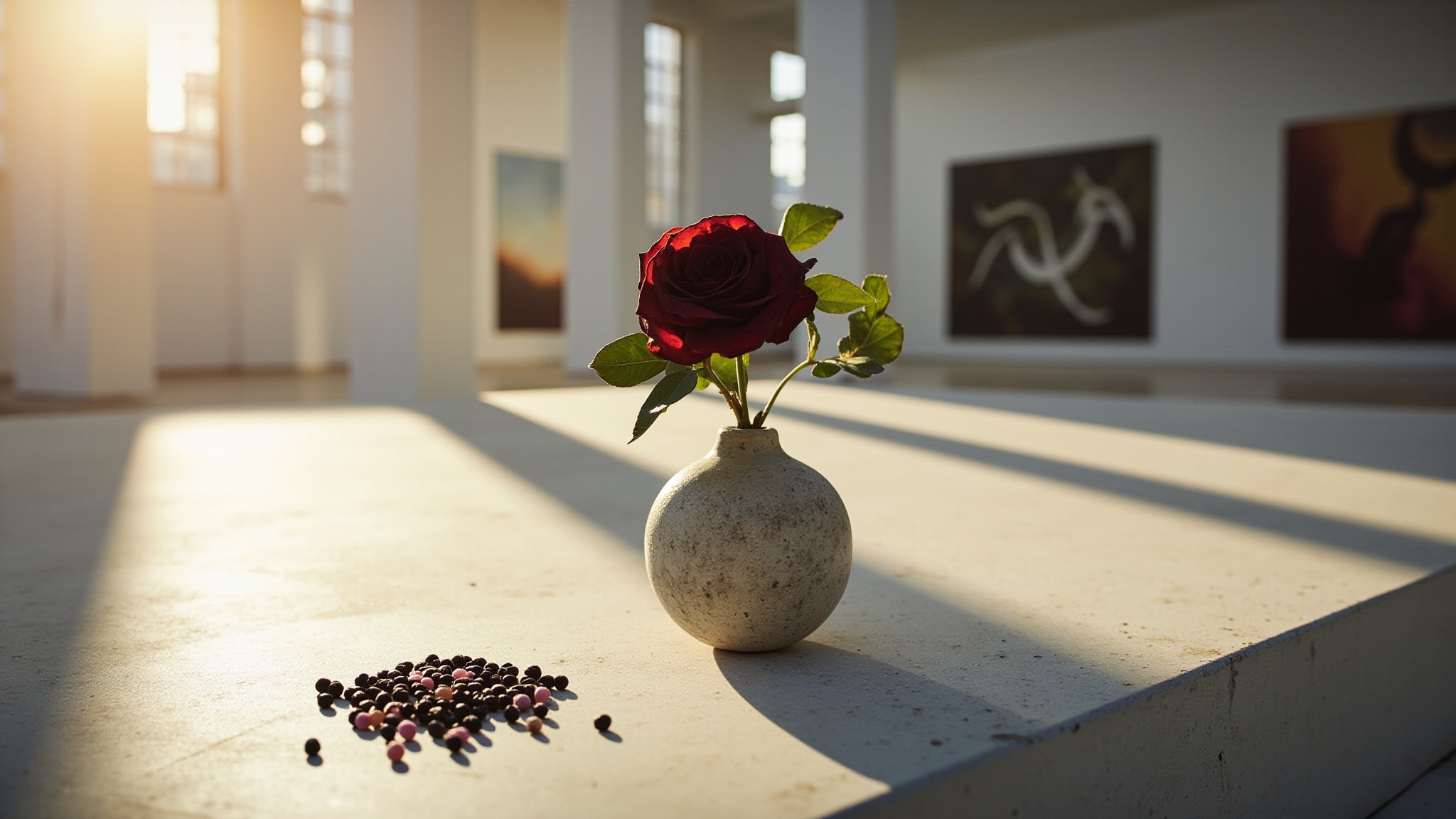
The composition distinguishes itself through what it refuses to do. Most spice-forward fragrances use pepper as a spark before the florals arrive. Here, black pepper opens, and stays. Bulgarian rose and rose absolute don't replace it; they layer with it. The effect is a fragrance that reads as unified rather than sequential. Mimosa adds a powdery warmth that keeps the spice from ever feeling harsh, while jasmine threads through to soften the transition. The result is a rose fragrance for someone who doesn't want everything to smell like rose water. The 2015 launch brought something the fashion house's aesthetic had always promised: unexpected coherence. Bold elements that somehow hold together.
The evolution
The first hour belongs to pepper in all its forms, black, pink, the clean heat of ginger. It crackles rather than stings. Then the roses arrive, Bulgarian and absolute both, not replacing the spice but coexisting with it. Mimosa adds a soft powderiness in the background. The jasmine is barely there, just enough to keep the florals coherent. By the third hour, the base takes over. Benzoin brings a warm, slightly vanillic resin that wraps everything in a comfortable drydown. Patchouli and musk follow. The sillage settles to intimate. What lingers at hour six is benzoin and the memory of roses, close to skin, occasionally detectable the next day if you press your wrist to your nose.
Cultural impact
Marni Spice arrived in 2015 as part of Marni's deliberate expansion into scent, positioning itself within the broader 2010s trend of fashion houses building out complete lifestyle collections beyond apparel. The fragrance marked a pivot toward warmer, more oriental compositions for a house known for quirky florals. Its sustained pepper-rose pairing proved influential, with subsequent releases from niche and indie brands echoing this structural choice. The 2015 launch demonstrated that commercial fashion fragrance could embrace complexity without alienating mainstream audiences.