
The Story
Why it exists.
The beginning
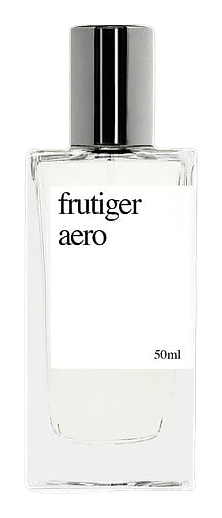
Frutiger Aero borrows its name from a particular kind of optimism associated with the early 2000s, a period defined by translucent surfaces, glowing interfaces, and semi-transparent glass catching light in ways that felt utopian. Pour Toi translated that visual language into scent, building a composition around clarity rather than density, where every element catches and refracts. The result isn't nostalgia in the obvious sense. More like a deliberate reconstruction of a specific brightness, that particular feeling of a future rendered in polished surfaces, synthetic reflections, and water-like shimmer before everything learned to look jaded. Pour Toi's approach here treats fragrance the way that era treated interface design: clean, optimistic, unapologetically synthetic.
What makes the composition unusual is its commitment to surface. Musk T® and aquatic notes serve as structural elements rather than background filler, holding the composition together from the top down. The cyclamen adds a cool floral whisper while magnolia keeps things creamy enough to avoid the clinical trap. Musk T® in particular does interesting work here, providing a synthetic softness that grounds the brighter top notes without weighing them down.
The evolution
The first ten minutes read almost industrial. Soapy, slightly chemical, the kind of fresh that makes you check the bottle twice. Cyclamen and aquatic notes dominate, sharp and bright, carrying that clean edge that borders on antiseptic. Don't flinch. As the composition breathes, the magnolia surfaces and softens everything, pushing through the surface wash with a powdery floral sweetness that wasn't visible at the start. The musk T® underneath begins to warm, shifting the composition from something that smells like a freshly wiped counter to something that smells like clean skin. Eventually the florals recede. What's left is a powdery, musky haze, not heavy but persistent, the kind of skin-scent that lingers.
Cultural impact
Frutiger Aero occupies a specific place within Pour Toi's catalog as their most committed exploration of a single aesthetic idea. The fragrance translates visual language into olfactory terms with unusual directness, referencing glossy surfaces, clean screens, and the sensory experience of digitally mediated environments. Wearers tend to describe it in visual terms, reaching for imagery of light, transparency, and synthetic clarity rather than traditional perfumery vocabulary like sillage or drydown. That cross-sensory framing sets it apart from compositions that prioritize narrative or emotional storytelling.